
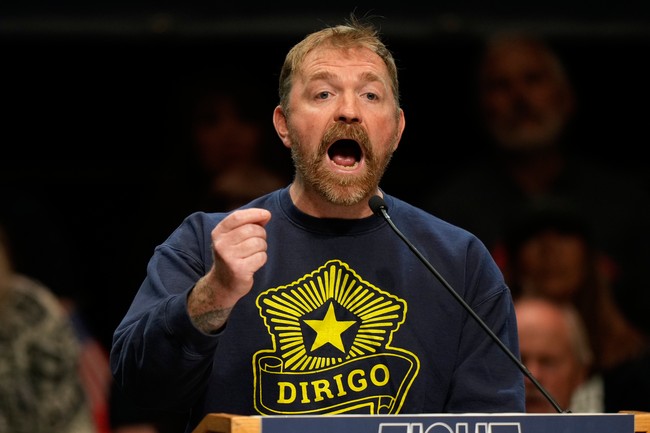
The Maine Senate race has exploded into a mess for Democrats after new allegations about Graham Platner, and Representative Ro Khanna’s public comments have only deepened the controversy by suggesting locals “knew” about troubling behavior tied to Platner’s time in and out of uniform. This piece lays out what’s known about the allegations, Khanna’s remarks, the questions reporters should be asking, and the legal timeline that would shape any quick replacement if Platner were forced off the ballot.
The New York Times published a story where three former girlfriends described a pattern of controlling and allegedly abusive behavior by Graham Platner, including one woman’s account of physical incidents that reportedly left bruises and threats. Additional allegations have surfaced about sexting dozens of women after his 2023 marriage, complicating the narrative that he had been “redeemed.” Conservative observers and the NRSC suggest even more damaging material could be released, and that prospect is already reshaping strategic calculations in the race.
Ro Khanna’s public defense of Platner has been contradictory and politically revealing. Khanna told supporters both to believe Platner’s accusers and to believe Platner himself, arguing that people in Maine “knew that he had had two tours of duty in Iraq. He came back broken, in a dark place.” Those comments attempt to contextualize alleged misconduct as a product of trauma rather than a disqualifying pattern, and that framing has sparked anger among critics who see it as excusing abuse.
And I want to be clear. His actions were misogynistic, they were shameful, they were wrong. But they didn’t come as a surprise to a lot of the folks in Maine. People in Maine knew that he had had two tours of duty in Iraq. He came back broken, in a dark place. That doesn’t excuse his behavior, but they knew this. He was in Washington. And then he went back to Maine, and he started an oyster farm.
Khanna’s sequence of statements raises immediate, simple questions reporters should pursue: who in Maine allegedly “knew” about this behavior, when did they know it, and why weren’t these concerns reported earlier? If local communities or party operatives were aware and allowed Platner to advance without scrutiny, that suggests either investigative failures or political shielding the press needs to uncover. Those are not fringe queries; they go to whether the party protected a candidate despite warning signs.
There are concrete threads to pull. One accuser described how Platner behaved while he worked in Washington as a bartender, suggesting troubling conduct outside the territory where some of his supporters claim everyone already knew his history. That dissonance — claims of public awareness paired with late-breaking national reports — demands that journalists press witnesses, comb social records, and check whether any complaints were ever filed or discussed privately among party leaders.
Republican analysts are betting worse is still to come for Platner. The National Republican Senatorial Committee reportedly hinted their opposition research could be so damaging that Platner “won’t just lose the election, he’ll have to leave the state.” Whether that rhetoric is conventional campaign hyperbole or a preview of undisclosed documents, the possibility of additional revelations is already altering how media and voters view the Maine primary outcome and the viability of a Platner candidacy in a general election.
Mark Halperin said Friday on 2WAY’s “The Morning Meeting” that an NRSC source tells him the opposition research they have yet to release on presumed Maine Democratic Senate nominee Graham Platner is so damaging that he won’t just lose the election, “he’ll have to leave the state.”
Platner is the presumed winner of the Democratic primary despite reports that he had a tattoo with Nazi iconography and a history of online comments that could offend almost anyone.“The NRSC says they’re going to go so negative on Platner,” Halperin said. “I saw one of the spokespeople say he’ll have to leave the state. He won’t just lose the race, he’ll have to leave Maine.”
The timing of the primary and the state’s rules matter a lot here. Under Maine law, a nominee who withdraws after winning a primary can be replaced by their party only if the departure occurs before the second Monday in July and the replacement is named by the fourth Monday in July. Those calendar constraints mean any campaign collapse must happen quickly to allow Democrats to salvage the general election ticket.
If Platner tries to hold on despite mounting pressure, the prospect of an ugly, drawn-out fight would hand Republicans leverage and likely force intense media follow-up. If he withdraws early enough, party bosses would face a scramble to name a successor while managing voter backlash. Either way, reporters need to dig into who knew what and when, and why party figures publicly defended a candidate now besieged by serious accusations.
For voters and political watchers, this is about more than one campaign. It’s about whether institutions — media, party organizations, and local leaders — acted responsibly when warning signs appeared, or whether partisan instincts trumped due diligence. Those are the lines reporters and opponents should pursue as the story develops.
https://x.com/RichSementa/status/2063942937277239415
The unfolding drama in Maine is a test of accountability across the board: elected officials, the press, and the parties. If more allegations surface or previously private knowledge comes to light, the fallout could be swift and consequential for the Democratic ticket and for anyone who vouched publicly for Platner without pressing for answers.
Finally, the calendar is unforgiving. If Platner loses the primary or faces revelations that force him off the ballot after the second Monday in July, Democrats risk being stuck with a nominee who cannot be replaced in time. That reality will shape both campaign strategies and the urgency of investigative reporting in the coming weeks.



Add comment