
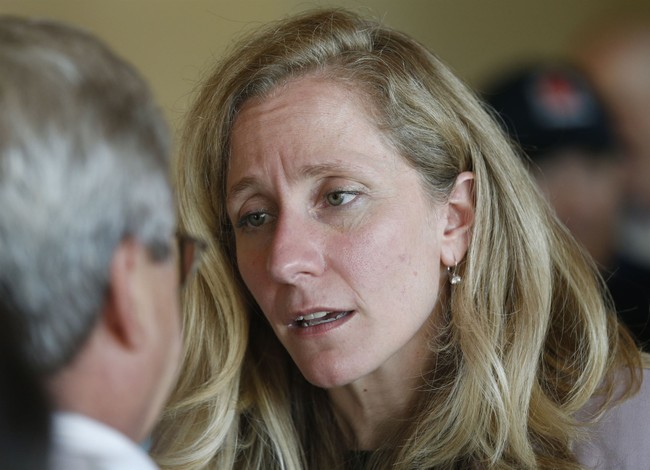
The Virginia Democratic leadership publicly erupted over how to handle booming data center growth and a stalled state budget, turning a policy fight about tax treatment and infrastructure costs into a bruising intra-party showdown that now risks delaying a budget before the June 30 deadline.
Less than three weeks after a court rebuke on congressional redistricting, Virginia Democrats found themselves trading barbs over the future of a major industry in the commonwealth. At the heart of the dispute is whether to end a sales tax exemption that has benefited data center developers for years, a move with big dollars and big political consequences. The split has been loud, public, and sharply personal.
Senate Finance Chair Louise Lucas took the hardest line, accusing the governor and House leaders of siding with corporate interests and refusing to make the big companies pay more for the costs their facilities impose. The debate revolves around whether changing the tax policy would yank out the economic rug from companies that invested here or whether it would stop a giveaway to the wealthiest firms. The practical question is also a philosophical one about who shoulders public costs as private growth explodes.
The Senate framed the exemption as an unfair perk for massive corporations, arguing the state is sacrificing revenue that will be needed for schools, healthcare, and other core services. House leaders and the governor countered that altering a long-standing policy would undermine trust with employers who built on the expectation of stable rules. Both sides reportedly came close to a deal on June 5, until a meeting that morning shifted the negotiations off track, according to people involved.
When talks collapsed, Lucas moved quickly to set the narrative. She labeled Gov. Abigail Spanberger “Data Center Diva” and House Speaker Don Scott “Amazon Don,” suggesting both had flinched from extracting fair contributions from an industry that depends on Virginia infrastructure. That rhetoric made the dispute impossible to keep private and signaled that compromise would be politically costly for anyone seen as soft on big tech.
Lucas followed the social media attacks with a formal statement that laid out the Senate’s argument in blunt terms, warning the state was giving up revenue it will need to meet rising costs. She insisted the Senate had offered compromise proposals that would have collected new revenue from data centers without wrecking the industry. The language left little doubt she saw this as a fight about priorities and fairness.
“Today, the Governor and House decided that they did not want to alter the freeloading policy for data centers. They decided that this was far more important than having data centers pay their fair share to provide services to the people of the Commonwealth for the next two years.”
Lucas also pushed back preemptively on likely counterarguments that a revenue reforecast makes new data center levies unnecessary. She argued those justifications ignore the long-term costs Virginia faces and that compromise had been on the table from the Senate side. In her view, neither side would get everything, but reasonable measures were available to capture needed funds.
“I know the Governor and House’s narrative will be that I wasn’t willing to compromise or to meet. This is simply not true. We attempted to move forward multiple times. With the support of the Senate conferees, I have offered multiple compromise options that would have provided revenue from data centers. Under these compromises, neither side got everything.”
https://x.com/SenLouiseLucas/status/2062925194797158878
“Data centers need to pay their fair share. The House and Governor have thrown up their hands believing that it is too hard for them to solve in 25 days. The Senate conferees continue to work on a budget for all Virginians by June 30th.”
Spanberger rejected the claim she had caved and said she had pushed measures to make data centers pay more for energy and environmental impacts. She listed priorities like teacher raises and rising Medicaid costs and said her proposals addressed pollution, water use, and noise while also increasing contributions from the industry. The difference between camps is not a binary about whether data centers should pay, but about the size and structure of the bill.
“I have also been clear that data centers in Virginia need to pay their fair share for the energy they use. I have brought proposals to the table that would make data centers pay more for the energy they use and address environmental concerns, including air pollution, water and energy use, and noise.”
House leaders tried to tamp down the personal venom and pushed for resumed talks, praising Lucas while steering away from the core disagreement. They said they remained ready to meet and were focused on delivering a budget that invests in schools, housing, healthcare, and economic opportunity. That olive branch did little to bridge the gap on revenue policy.
Republicans watched the spectacle with predictable glee, pointing out how public disarray undercuts Democratic claims of competence. Voices across the aisle mocked the clashes and warned that a continuing resolution—rare in Virginia—was being floated as a last resort. With about 20 days left before the legal budget deadline, the state faces the real prospect of leaving important spending decisions unresolved while Democrats squabble over tax policy and political blame.

Add comment