
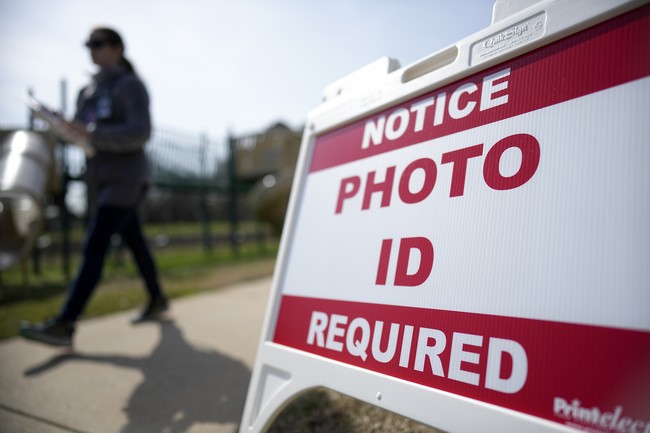
The Republican National Committee and the North Carolina GOP reached a settlement with the North Carolina State Board of Elections that would require election officials to use juror questionnaire data to identify and remove noncitizens from voter rolls, pending court approval. The agreement sets deadlines and procedures for sharing jury questionnaire information with election staff and the State Bureau of Investigation when records suggest someone voted before becoming a citizen. This move follows a 2024 lawsuit by GOP groups claiming the state neglected a law requiring removal of noncitizens who admitted noncitizenship on jury forms. The development has reignited debates over election integrity, enforcement of voter eligibility, and partisan responses to voter safeguards.
Republican officials framed the settlement as a straightforward enforcement step to protect the franchise. The RNC and state GOP argued that juror questionnaires are an obvious source of information about citizenship and that admitting noncitizens should trigger review of voter registration status. That position was emphasized publicly by party leaders who said the law needs to be applied consistently to preserve confidence in election rolls. Pending the court’s sign-off, election offices will have to adjust procedures to receive and process jury questionnaire data on a defined timeline.
The RNC posted the news on social media: This public announcement was intended to show the party acting to enforce existing rules, not create new barriers for lawful voters. RNC Chair Joe Gruters put it in blunt terms: “not be allowed to vote”. That line captured the core message for many of the settlement’s backers, who say enforcing eligibility standards is a basic duty of election administrators.
It is straightforward: if someone admits they are not a citizen when they are considered for jury duty, that same information should be used to ensure they are not registered to vote.
Election officials have a clear responsibility to uphold the law, and the RNC is taking action to make sure that non-citizens are removed from North Carolina’s voter rolls.
Under the terms reported, the board will be required to obtain jury questionnaires and use them to identify potential noncitizen registrants. The settlement creates a timeline for the board to receive those questionnaires and for staff to follow up with verification steps. It also mandates sharing information with investigative authorities if records indicate someone may have cast a ballot before naturalization. Those procedural changes aim to close gaps GOP lawyers said existed under prior practice.
The settlement sets up a timeline for the board to receive and use the jury questionnaires to identify and remove noncitizens from the rolls.
It also directs election officials to provide information to the State Bureau of Investigation if records show that the voter in question cast a ballot prior to becoming a U.S. citizen.
Democrats have pushed back, arguing noncitizen voting is extremely rare and that the settlement is a political stunt rather than a necessary reform. That response raises the question Republicans keep asking: if noncitizen voting is indeed vanishingly uncommon, why fight even modest measures that help detect it? The partisan split reflects broader disagreements over voter verification laws, data sharing, and the proper balance between access and safeguards.
Conservative commentators and some studies suggest reported numbers of noncitizen voters may undercount the true scale because many jurisdictions do little to investigate potential cases. The argument goes that passive acceptance of voter rolls without routine checks leaves room for errors and rare but consequential instances of ineligible participation. Supporters of the settlement say routine cross-checks using existing administrative sources are sensible risk-reduction steps and a reasonable response to those concerns.
Opponents worry that expanded data use could produce false positives or create bureaucratic hurdles that confuse lawful voters, especially where forms or databases are inconsistent. Those concerns often focus on due process, accuracy of records, and the potential for administrative mistakes to disenfranchise eligible citizens. The settlement’s timeline and procedures will therefore be closely scrutinized by civil rights groups and election law experts as the matter proceeds through the Wake County Superior Court.
The legal fight has national echoes because several states have taken different approaches to voter eligibility enforcement, and federal debate over laws like the SAVE Act continues. Governors and legislatures across the country have weighed competing priorities: tightening verification to prevent fraud versus minimizing barriers to participation. This North Carolina settlement will be watched as one example of how a state board, challenged in court, can be compelled to change administrative practice around voter roll maintenance.
Whatever the court decides, the settlement forces a clearer conversation about how jurisdictions should use available administrative data to keep rolls accurate. At minimum, it expands the tools election officials may be required to use when reliable indicia suggest a registrant lacks citizenship. For those focused on election integrity, the agreement is a confirmation that legal pressure can prompt procedural change; for opponents, it’s a reminder that rules and safeguards must be balanced with protections for eligible voters.

Add comment