
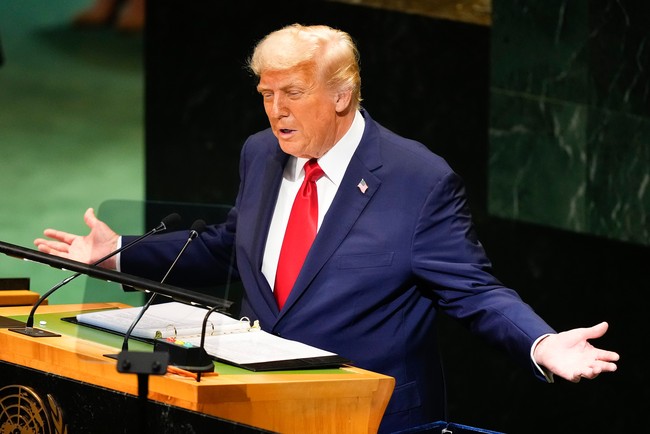
This Weekly Briefing recaps the five stories that dominated the week: a diplomatic clash at the U.N., a pushback against a high-profile judge, Iran’s mounting troubles, a Senate showdown over Fauci, and a WNBA moment that ignited debate, all condensed into tight, punchy takes so you can stay current without scrolling forever.
The U.S. ambassador’s exit from a U.N. meeting became a headline when tensions with a European delegation spilled into public view. The session meant to focus on the conflict in Eastern Europe instead turned into a scene of sharp accusations and diplomatic theater. Observers noted the moment as another example of frayed patience between America and some European allies. The fallout has prompted fresh questions about how U.S. interests are defended on the global stage.
A judge who once loomed over many January 6 cases has now become the namesake of proposed legislation meant to curb perceived judicial shopping. Critics describe him as emblematic of a court system that can be manipulated by repeated case assignments. Supporters of the bill argue that randomizing case assignments would restore confidence in judicial impartiality. One prominent critic put it bluntly when he said, “Judge Boasberg is the poster child for a rogue judge and exposed serious loopholes in our judicial system.”
The new BOASBERG Act, as its backers call it, is shorthand for a longer title meant to sound procedural and strict. Lawmakers pitching the measure say it targets an entrenched problem: judges seeming to reappear in politically charged matters. The controversy highlights a wider debate over how much power single judges can exert through repeated high-profile rulings. Voters watching the court battles see this as another front in the fight over fairness and accountability.
Across the globe, Iran’s leadership is confronting pressure on multiple fronts that could reshape its regional posture. U.S. officials point to both military and economic blows that have degraded Tehran’s leverage. One senior diplomat framed recent strikes as evidence of desperation rather than strength. The narrative coming from Washington is that internal strains and international isolation are hitting Tehran where it hurts most.
Senate hearings involving top health advisers have continued to deliver sharp exchanges and unexpected revelations. One Republican senator accused his colleagues of failing to examine critical evidence, and the line of questioning exposed raw partisan distrust. A Democratic committee member pushed back hard, warning against what he called one-sided probes. His rebuke included this: “One-sided investigations designed to validate predetermined conclusions do not serve the American people, who sent us to actually uncover the truth and solve problems.”
https://x.com/USAmbUN/status/2081424879660765212
In response, the opposing side insisted access to records was not being blocked and framed the inquiry as thorough and necessary. The dispute reflects the broader political atmosphere where investigatory committees are often accused of operating from a predetermined narrative. With oversight battles heating up, each committee exchange now becomes fodder for a larger political argument. Lawmakers and the public alike are parsing testimony for what it reveals about transparency and oversight.
On the sports front, a WNBA pregame stunt intended as a show of solidarity backfired when the player targeted by the gesture tore the floor up early and often. The crowd reacted, the message misfired, and the player answered on the scoreboard with timely shots. Her performance helped steer her team to a clear win while undercutting the intended statement of protest. The night turned into a reminder that on-court results often speak louder than pregame theatrics.
The wider reaction to the incident exposed how sports and social messaging collide in public view. Fans and commentators debated whether the stunt was a genuine act of support or a performative moment that misread the audience. Meanwhile, the player’s execution on the court became the dominant narrative of the night. In arenas where every possession counts, outcomes rarely reward symbolic gestures that lack clear popular backing.
Throughout these stories runs a common thread: institutional trust—whether in diplomacy, courts, committees, or sports organizations—is under scrutiny. Each episode forced institutions to answer to a skeptical public about fairness, motives, and results. The week’s headlines showed how quickly controversies can pivot from procedural disputes into symbols of broader cultural conflicts. Readers watching these developments will want to track how these institutional tensions evolve next.



Add comment