
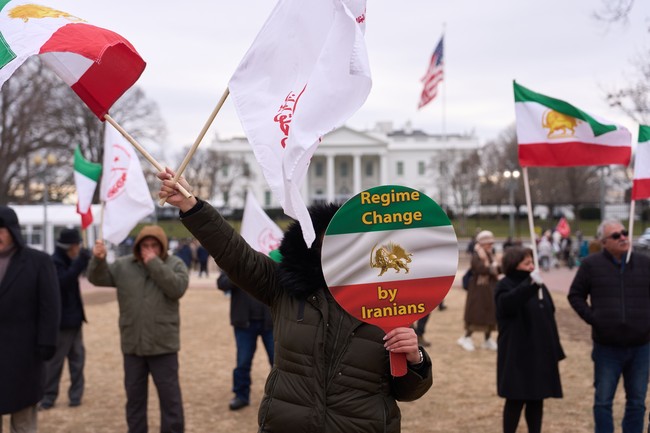
The Iranian regime is under intense pressure from multiple angles and the opposition inside the country says the situation could tip at any moment. This piece reports on military and economic strain, public executions, the growing resolve of protesters, preparations for renewed uprisings, and the human cost driving people toward a decisive confrontation.
The government’s leadership, security forces, and economy are visibly strained under sustained external pressure and internal dissent. Public executions and heavy-handed repression have become more frequent as the regime tries to deter protests. Despite the bluster from Tehran, conditions on the ground suggest a brittle situation that could break sooner rather than later.
People inside Iran are reacting to shortages, rising prices, and a sense that life is becoming unsustainable for ordinary families. Electricity and water cuts in southern provinces and runaway inflation are pushing even middle-class households to skip meals. That economic squeeze is sharpening public anger and lowering the psychological barriers to mass action.
The streets of Iran are near a breaking point over public executions, economic collapse and a war that’s been raging on for more than five months, anti-regime figures in Tehran told The Post.
“A revolution can happen any day now — people want revenge,” a protest leader said, referring to the regime’s brutal January crackdown that President Trump said killed 52,000 people.
An independent journalist active in the Iranian underground said that preparations are already being made for the next uprising, and that activists from all walks of life are determined to make a final, decisive blow against the regime.
Organizers inside Iran report they are studying what worked and what failed during past waves of unrest to avoid repeating mistakes. Small, decentralized cells are said to be preparing logistical support, communications plans, and safe houses. That kind of tactical learning makes any future mobilization harder for security forces to suppress with the same blunt methods.
Sources describe hidden caches of improvised weapons — bricks, rocks, wooden clubs, chairs and tires — positioned around cities to be used in roadblocks and street actions. Those items are being stockpiled as part of a broader effort to give protesters tools to defend themselves and disrupt regime control. The emphasis on improvised means reflects both resource constraints and an attempt to adapt tactics to urban environments.
Small groups are working clandestinely to procure firearms to distribute to demonstrators — utilizing guns stored in certain private homes and smuggled from abroad, the protest leader claimed. They did not specify who would be providing these weapons.
“When we went out in January, we were like lambs to the slaughter; the Basij forces were using firepower that you couldn’t believe; the streets were like a graveyard, corpses everywhere, the streets ran red with blood,” she said, unable to contain her rage and grief.
She warned regime forces: “Next time we come out, we’re coming out armed.”
Regime loyalties are strained as Tehran supplements its forces with foreign mercenaries and recruits young neighborhood patrols to police demonstrations. Those measures point to desperation and an erosion of confidence in the regular security services. Even so, broad discontent keeps building across social and economic lines, complicating the regime’s control strategy.
Recent demonstrations in cities like Isfahan show the anger is spreading beyond a single demographic or neighborhood. Thousands turned out to protest the public executions of Abolfazl Sepahi Badjani and Amir Hossein Safari Hosseinabadi, signaling that executions meant to intimidate can instead inflame public outrage. These street-level dynamics make clear that repression can be counterproductive when basic needs are not being met.
Voices inside the resistance express a stark sense of urgency and resolve: “We know the stakes, either the regime goes, or we do,” one protest leader said. That kind of binary framing fuels determination and reduces the appetite for compromise. With preparations reportedly underway and popular exhaustion rising, the possibility of a rapid escalation looms large.
From a Republican perspective, sustained pressure on a hostile regime that sponsors terrorism and destabilizes the region is necessary to protect American interests and allies. Continued coordination of economic, diplomatic, and military measures aims to weaken the regime’s capacity to repress its people and export violence. If the internal opposition seizes a moment of vulnerability, that could produce a sudden and dramatic shift in Iran’s political landscape.


Add comment