
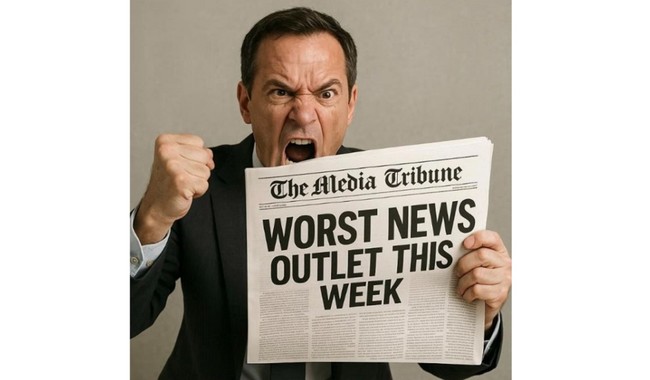
The week’s media performance was a mixed bag of theatrical outrage, selective reporting, and self-inflicted crises from several major outlets, with one paper standing out for chaotic and damaging choices; this article reviews the biggest missteps across networks and papers, notes recurring themes, and names the outlet judged worst for the week.
The press found new controversies to amplify, from celebrity documentaries to Olympic politics, and they leaned hard into predictable angles. Coverage often prioritized narrative over nuance, producing headlines that bent facts to fit the outrage of the moment. That pattern repeated across broadcast segments and long-form print, showing how incentives and editorial choices shape what the public sees.
The Melania documentary roll-out became a test in spin, with some outlets reframing modest performance as a failure and others inflating problems into a scandal. The Winter Olympics coverage leaned toward prodding athletes into criticism that the networks then judged and condemned, creating a loop of manufactured controversy. The Super Bowl halftime show with Bad Bunny received lecture-style segments that read more like cultural scolding than straightforward review.
At the end of the week a video from the president sparked another round of hyperventilating headlines, though the clip itself did not land where many outlets promised it would. There was a steady drumbeat of stories that treated speculation as fact and used incomplete evidence to drive indignation. That approach produced predictable cycles of outrage, retreat, and then fresh outrage as new items surfaced.
THE CONTENDERS
CNN – The network aired a sequence that allowed a congressman to claim the SAVE Act threatened women’s votes, while other segments amplified claims of cultural canceling at national institutions. A recurring tone suggested imminent institutional collapse, with anchors forecasting media platforms’ demise even as they pushed confident pronouncements about rivals. Weeks of heated rhetoric about law enforcement in Minneapolis suddenly shifted into profiles of alleged harassment, leaving viewers to sort through inconsistent narratives.
ABC News – Human-interest pieces leaned heavily on emotional framing, presenting family stories through a decidedly sympathetic lens and spotlighting the faith community as a central element of those narratives. Reports on immigration detention emphasized the personal consequences for individuals while casting policy changes as punitive. Coverage of benefit program reforms focused on administrative hurdles rather than broader policy contexts.
New York Times – Some columns suggested that wealthy owners should absorb print losses without affecting newsroom direction, an argument that glossed over business realities of modern publishing. Personal profiles of families facing deportation sometimes omitted inconvenient background details that later emerged, prompting questions about vetting. Opinion pieces crossed lines that made some readers and critics uncomfortable with the tone and choice of hypothetical rhetoric.
THE WINNER
WASHINGTON POST
The Washington Post announced sweeping layoffs that sent shockwaves through the industry and raised serious questions about editorial priorities and financial stewardship. One-third of staff positions were cut, affecting sports coverage, book reviews, photography, and foreign bureaus, a scale that will reshape what readers can expect from the paper. The announcement itself became a story the media covered frantically, often emphasizing outrage over business reality.
Critics quickly pointed fingers at ownership and management decisions, showing how internal practices contributed to the very problems that editorial pages then lamented. Former staff members highlighted the contradictions between public statements and private cuts, which intensified the blowback. The paper tried to justify the realignment by underscoring cost pressures and changing reader habits, but the optics were bad.
Coverage following the layoffs veered between defensiveness and performative sorrow, as the newsroom’s choices were examined on multiple fronts. Eliminating long-standing sections was framed by some as necessary modernization, while others read it as an abdication of journalistic responsibility. The frictions showed how editorial identity and business reality frequently clash at major outlets.
Meanwhile, reporting continued on a mix of cultural and political stories that fed each other: Olympic scheduling controversies, celebrity activism at awards shows, and localized investigative items about a lab discovery in Las Vegas. The Post’s internal crisis made these routine stories feel more consequential, as observers debated whether the paper was losing or changing its voice. Commentators on the left framed the cuts as a loss to “our media,” while critics on the right saw them as long-overdue accountability for bias and mismanagement.

Editor’s Note: The mainstream media continues to deflect, gaslight, spin, and lie about President Trump, his administration, and conservatives.
Recommended items and tags included a range of related stories and opinion pieces from that editorial voice, highlighting the week’s recurring themes of cultural critique, immigration policy disputes, and organizational upheaval at legacy outlets. These suggestions reflected the same combative stance toward mainstream coverage that animated much of the commentary seen across platforms this week.

Add comment