
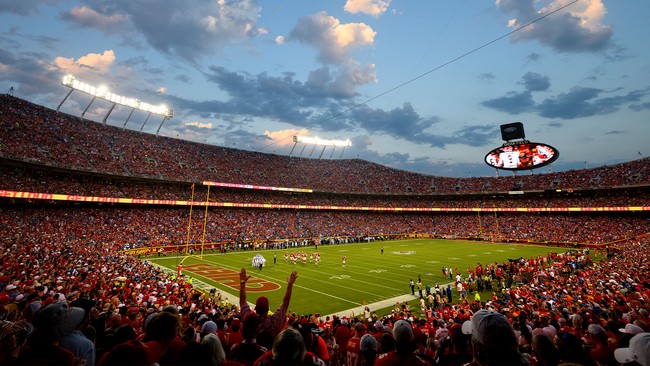
I live just minutes from the new Kansas City Chiefs stadium site and I welcome investment nearby, but this move highlights a predictable pattern: cities and states using taxpayer money as the default tool to attract or keep big-league sports franchises. This article argues that the Chiefs’ relocation deal is another example of a lopsided giveaway, asks whether the economic promises are realistic, and raises concern that Kansas chose the same old playbook instead of pursuing healthier, long-term growth strategies.
My family and I are in northeast Kansas, a short drive from where the Chiefs plan to relocate, and I get why fans are fired up about easier access to games. I also try to “Pursue the wellbeing” of the place I call home, so news of a large investment nearby initially felt promising. But once the deal’s details surfaced, the one-sided nature of the arrangement between state lawmakers and team ownership made me uneasy about who really benefits.
The Chiefs have always been the regional team for both Kansas and Missouri, and folks on both sides of the state line feel this change personally. Missouri residents who helped grow the franchise understandably feel betrayed when decades of public investment are effectively sidelined. These emotions matter, but they don’t change the basic reality: professional sports are big business, and franchises chase the best financial terms.
Historically, pro sports funded their own venues, but over the last century public subsidies crept in and ballooned as stadiums became stadium-cities costing billions. When facilities age, owners play a blunt game: upgrade on our terms, or we move. That threat usually wins because municipalities don’t want the economic and civic loss of a franchise. The result is a long string of taxpayer-funded bailouts for private teams.
Imagine if every city said no to that play. Teams would either stay in place and find cost-effective upgrades or owners would actually have to absorb the expense like other businesses. But major cities prize the bragging rights and tourist draw of a franchise, and that temptation routinely pushes leaders into lavish deals. Owners respond only to what benefits their bottom line: “What will you do for me now?”
Fans are treated like consumers first and citizens second, their loyalty converted into revenue streams that justify the demands for public cash. Beyond stadiums, some league executives use their platform to push cultural agendas that many fans reject, yet consumers keep buying tickets and subscriptions. The old proverb rings true: “Give Them Bread and Circuses and They Will Never Revolt.”
Kansas’s approved package for the Chiefs is being touted as historic, but the numbers should make residents pause: legislators signed off on a deal projected at up to $2.775 billion in redirected public revenue. That’s a massive commitment for a state with modest economic rankings and ongoing out-migration of residents. Grand promises of job creation and economic impact are easy to trumpet; the long-term fiscal tradeoffs get less attention.
The state’s economic pitch claims construction phase jobs and billions in impact, and officials call the agreement a statewide win. Yet redirecting nearly $3 billion in sales tax toward a stadium, team headquarters, and training facilities does not make the money vanish—it forces governments to fill revenue gaps elsewhere. Local budgets and priorities will adjust, often by moving costs to residents in less visible ways.
Kansas leaned on familiar incentive tools like housing and development programs that divert taxes to builders and big projects, a default strategy that rarely solves deeper challenges. These programs don’t technically raise taxes, but they redirect revenue that previous budgets relied on. The practical effect is the same: residents shoulder fiscal consequences while the headline numbers tout flashy new construction.
While Missouri conversations push alternative economic ideas such as reducing or eliminating state income tax, Kansas chose to outspend itself to land a team. That tells you what priorities won in the negotiation: short-term economic splash and political bragging rights over structural tax relief and long-term fiscal prudence. For conservative-minded residents who value limited government and taxpayer protection, that’s a hard sell.
We’ll cheer for the Chiefs regardless of which side of the state line they play on, but cheering doesn’t erase the fiscal pattern. Previous deals around the country offer little comfort that public dollars will generate promised returns. I hope the optimistic projections for this project prove accurate, but after decades of similar giveaways, skepticism is warranted about who truly gains when taxpayers underwrite private profit.



Add comment