
I’ll explain why President Trump’s late pivot to pricing matters, lay out the credibility problem his earlier comments created, note Susie Wiles’ growing role in message discipline, and point to the narrow path Republicans have to hold Congress in 2026.
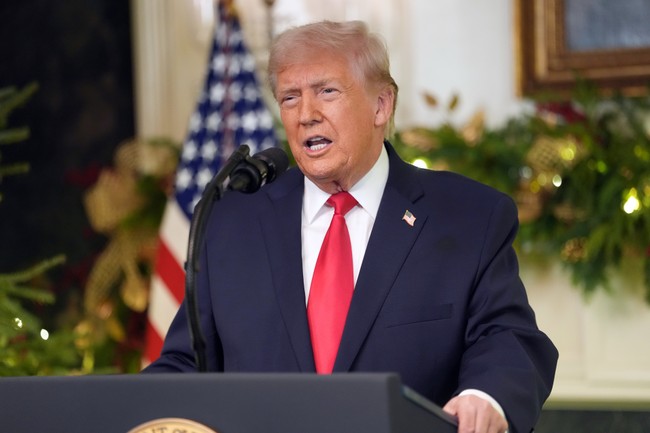
President Trump told Politico this week that the 2026 midterm elections will center on “pricing” as Republicans head into a critical period with control of Congress on the line. “I think it’s going to be about the success of our country. It’ll be about pricing,” Trump said, emphasizing energy and gasoline as early wins. Those concrete improvements give Republicans something real to campaign on, but the timing of the pivot raises questions about consistency and credibility.
The administration can point to measurable gains: gas prices have dropped below $3 a gallon for the first time in over four years, and economic growth hit 4.3% in the third quarter. Those numbers are the kind of tangible wins that matter at the ballot box, and they form the backbone of a kitchen-table message voters can understand. Yet these facts collide with messaging missteps that undercut their impact.
Over recent months the president dismissed the affordability crisis in blunt terms, calling it a “con job,” “hoax,” and “scam” when voters were signaling real frustration at the grocery store and the pump. “Affordability is a lie when used by the Dems. It is a complete CON JOB,” he wrote on Truth Social, and in public meetings he doubled down that “Affordability is a hoax that was started by Democrats who caused the problem of pricing.” Those lines didn’t land well with voters who feel every price increase in their daily lives.
The fallout isn’t just abstract: Democrats won influential local contests by making affordability their central pitch, and some Republicans reacted publicly to the damage. “People aren’t dumb,” Senator Josh Hawley told NBC News. Representative Tony Gonzales warned that Republicans “would be morons” if they didn’t sharpen their economic message before the midterms. Those blunt assessments from allies reflect a broader unease inside the party about tone and tactics.
Polls underline the risk. An NPR/PBS News/Marist survey showed Democrats holding a 14-point advantage on the congressional ballot, the largest such lead since November 2017. Trump’s approval has slipped from over 50% at the start of his second term to around 42%, with disapproval climbing to nearly 55%. Those numbers show how quickly perceived inconsistency can erode political standing, even when policy outcomes are favorable.
Enter Susie Wiles. The White House chief of staff has been more visible and appears to be asserting control over how the campaign narrative is shaped. In a recent podcast appearance Wiles said plainly, “We’re actually going to turn that on its head and put him on the ballot,” and added, “He’s going to campaign like it’s 2024 again.” That approach bets on reactivating turnout dynamics that favored Republicans when the former president was fully engaged.
Trump’s personal pull is undeniable: 2024 turnout patterns showed how a motivated base can shift outcomes, and David Shor’s analysis suggested turnout efficiency was decisive. But 2026 is different because Trump himself is not on the ballot, and maximizing his influence requires tight message discipline from handlers who can keep focus on concrete wins. Wiles’ influence could matter if she keeps the team away from self-defeating detours about hoaxes and conspiracies.
Republicans do have an opportunity they risk squandering. The administration can run on lower energy costs, cooling inflation from its 2022 peak, solid economic growth, and improved border numbers compared with the previous administration’s final year. Those are simple contrasts voters can grasp, and they create a clear choice against a Democratic Party wrestling with internal pressure from its progressive wing.
But you can’t credibly claim you’re fixing a problem you publicly labeled a sham. Messaging that alternates between owning the cost story and dismissing voters’ concerns weakens the party’s shot at defending its majorities. Discipline matters: the signage at a recent rally said “Lower Prices,” and that is precisely the kind of focused line Republicans should stick with to keep the narrative anchored to real household relief.
Congressional Republicans also face a legislative credibility gap. They passed only 38 bills last year, their least productive year since at least 1989, and internal fights have distracted from delivering a legislative case to voters. What they do have is the administration’s executive actions and a set of economic improvements; turning those into a coherent, relentless message is the tactical fix they must execute.
Trump’s acknowledgment that 2026 will be about pricing is correct in substance, but execution will determine whether it becomes a winning theme. If Susie Wiles and the communications team can keep the message consistent, relentless, and tied to everyday results, Republicans improve their chances of holding Congress. If the message fractures and voters are told their struggles are imaginary, Democrats get a clear opening to reclaim momentum.


Add comment