
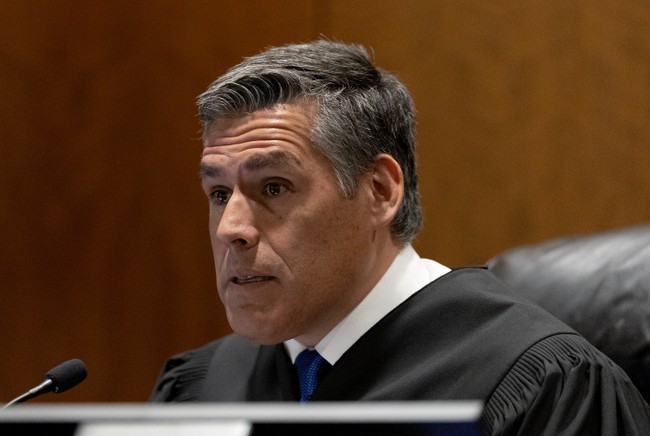
The Utah court recently rejected a defense push to close preliminary hearings in the Tyler Robinson case, insisting the public and media have a presumptive right to access proceedings tied to the alleged assassin of Turning Point USA co-founder Charlie Kirk. Judge Tony Graf said the defense had not met the heavy burden required to shut the courtroom, and he scheduled further proceedings to examine possible violations of a previously issued gag order. This ruling keeps critical evidence and hearings visible and puts the fight over secrecy squarely in the open.
The accused, 23-year-old Tyler Robinson, faces seven counts including aggravated murder for the September 2025 shooting that killed Charlie Kirk at a TPUSA event. Defense attorneys repeatedly sought closed hearings and other secrecy tools, arguing media presence could prejudice a future jury and make it harder to secure an impartial panel. Prosecutors and victims’ advocates pushed back, stressing that transparency matters and the public has the right to witness important parts of the process.
During previous hearings, the defense argued that having the public and press present could create unfair prejudice against their client, complicating the process of forming an unbiased jury.
[Fourth Circuit Judge Tony Graf] Graf didn’t agree.
“The public and the media enjoy a presumptive right to access court proceedings, including preliminary hearings. A party seeking to close a preliminary hearing must show that adverse publicity traceable to the open hearing poses a realistic likelihood of prejudice to a fair trial to overcome this presumption,” Graf said in his ruling. “The party seeking closure must also show there are no less restrictive alternative means to ensure the integrity and impartiality of the jury. Public access to judicial proceedings also serves an important role in maintaining confidence in the fairness and transparency of the judicial process.”
“This court finds these showings have not been made here,” he said.
Graf’s language tracks longstanding First Amendment principles and the public’s interest in watching criminal proceedings involving politically significant targets. When the accused is charged with killing a high-profile conservative activist, keeping hearings open helps dispel doubts, counters rumor, and prevents secrecy from becoming a tool for manipulation. That matters to voters who want the system to be fair and transparent, not hidden behind lawyers’ objections.
There’s more on the docket than just courtroom access. The judge also turned his attention to whether prosecutors breached the gag order he issued in September 2025, which restricted both sides from publicly discussing aspects of the case. Defense attorneys alleged that comments made to multiple media outlets by county prosecutors crossed the line and warranted an inquiry. Graf found the defense made a preliminary showing that justified further investigation, but he stopped short of declaring contempt.
https://x.com/EricLDaugh/status/2061494428359950659
During a hearing last month, Robinson’s defense argued that Utah County Attorney Jeff Gray and Deputy County Attorney Chris Ballard violated the publicity order in place by making comments to multiple media outlets, including Fox News, USA Today and TMZ.
Graf said the defense “made a sufficient preliminary showing under Utah law to warrant further proceedings,” but so far, “does not constitute a finding of contempt.”
He scheduled an evidentiary hearing for the already-set court date on June 12.
That evidentiary hearing will test competing claims about who spoke, what was said, and whether any statements actually undermined the fairness of the proceedings. The defense will use every procedural tool to slow things down and shield material the public might see as damaging. The prosecution, meanwhile, is under pressure to maintain the gag while also communicating with victims’ families and defending the integrity of the investigation.
This case involves a large volume of physical and digital evidence, according to court filings and public statements from investigators, and much of that material could affect public perception. The defense’s drive for secrecy reads as a defensive strategy when the evidence is described as extensive and potentially damaging to their client. The judge’s transparency ruling forces those arguments into the open where people can evaluate them, rather than letting them fester behind closed doors.
From a Republican perspective, the ruling affirms the principle that courts should not hide significant criminal proceedings involving public figures. Voters want confidence that the legal system isn’t shielding information that could affect public safety or civic trust. Keeping hearings open preserves accountability, allows the press to report on critical developments, and prevents the appearance of special treatment for any party.
Expect the defense to keep pressing motions aimed at excluding evidence and curbing publicity, but the judiciary has signaled it will require concrete showings of harm before closing the courtroom. The case will proceed with open hearings unless someone meets that high standard, and the scheduled evidentiary date will test both sides’ claims about the gag order and how the case has been handled so far.


Add comment