
The White House hosted a UFC event tied to America 250, and Hillary Clinton reacted with a public post that drew sharp conservative criticism; this piece examines the context of the event, her remarks, the historical comparisons conservatives raised about past Clinton conduct at the White House, and the fundraising angle she used in her response.
The UFC’s White House event was part of wider America 250 programming and drew attention for mixing a modern sports spectacle with presidential grounds. Supporters praised the publicity and historic nods, while critics on the left portrayed the ceremony as inappropriate simply because it occurred during President Donald Trump’s term. Conservatives felt the backlash from Democrats was predictable and overblown, casting the event as another example of partisan outrage rather than substantive concern.
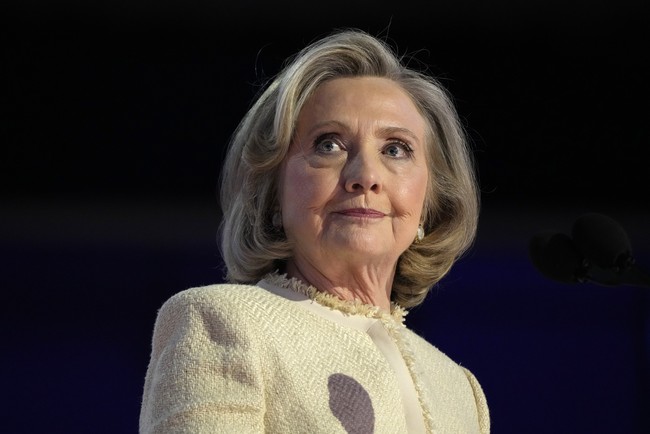
One prominent voice who spoke out was Hillary Clinton, and her post quickly became the focus of conservative pushback. Then, of all the people to talk, the person who probably should have been the last to do so, weighed in.
Remember, during today’s literal cage match on the White House grounds: No matter what, it’s not his house.
It’s our house.
Get a hat, coaster, or sticker to support groups and candidates who will respect the form AND the function of the people’s house.
https://x.com/HillaryClinton/status/2066171075495616809
Her tone left many conservatives incredulous, given the Clinton family’s long history of controversy around their time in the White House. Critics pointed out a series of incidents that, in their telling, undermine any moralizing about how the presidential residence is used. That history is used by critics as a reminder that moralizing from particular figures carries weight only if paired with consistency and accountability.
Conservatives also highlighted reported past misconduct associated with the Clinton years as context for the outrage they directed at her comments. They mentioned well-known controversies involving interns and questionable behavior, along with reports of donor privileges and unusual use of White House facilities. Those recollections were emphasized to make the point that complaints about decorum ring hollow when contrasted with those episodes.
Beyond past conduct, critics noted the timing and tone of Clinton’s post also served a fundraising purpose, turning a public objection into a money-raising pitch. The post called on followers to buy merchandise and support political groups, which conservatives argued revealed a pragmatic motive behind the outrage. That combination—moral chest-thumping tied to fundraising—was viewed as emblematic of contemporary political messaging where indignation doubles as revenue generation.
Reaction on social platforms followed a typical pattern for high-profile figures who disable comments to avoid blowback. Observers noted Clinton often cuts off replies when a post draws predictable criticism, yet that hardly stops critics from quoting and mocking the remarks. Disabling replies was framed by conservatives as an admission she expects to be called out and wants to limit public accountability.
The broader debate also touched on whether the White House should host cultural and sporting events and how tradition intersects with modern presidential priorities. Supporters of the UFC event argued past presidents engaged with entertainment and sports in various ways, tying current events to a tradition of public-facing activities. Opponents framed such events as diminishing the dignity of the presidency, though that argument found stronger traction among those who already oppose the current administration.
For conservatives writing and commenting on the episode, the story became an opportunity to point out perceived hypocrisy and to remind readers of prior scandals. The narrative leaned on the contrast between current public events arranged by the administration and the baggage associated with the Clintons’ tenure in the residence. That contrast was used rhetorically to suggest selective outrage rarely persuades neutral observers.
Publicity around the event also underlined how partisan lenses shape national conversations about seemingly apolitical activities. A single event at the White House transformed into a culture war moment because of who was in the building and who objected publicly afterward. Conservatives argued that the dispute revealed more about the commentators than about any real harm caused by the UFC presence on the grounds.
In the aftermath, the exchange served multiple purposes: it energized supporters on both sides, it raised funds and media attention for political actors, and it reinforced existing partisan divides. For many readers, the episode was a reminder that public gestures by former officials can still influence debate, especially when tied to historical grievances. Conservatives used the moment to underscore their view that complaints from certain quarters should be judged against past behavior.



Add comment