
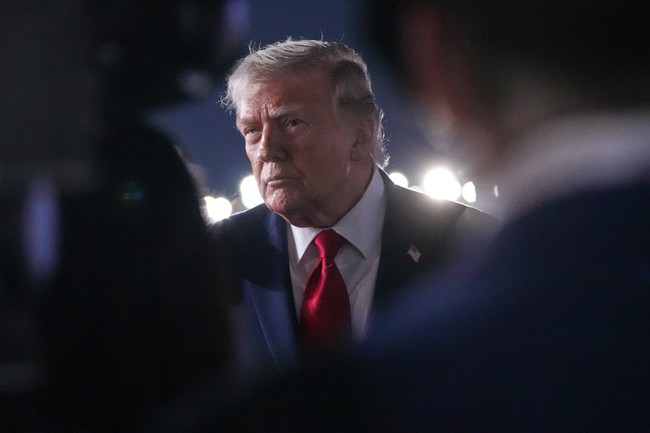
Checklist: highlight the Iran peace milestone and its practical effects; profile Trump’s career and choices that shaped his approach; describe the birthday and South Lawn UFC events as cultural signaling; explain the trade-offs of leaving private business for public service; preserve quoted prayer and embed tokens where they appeared.
President Donald Trump celebrated his 80th birthday and Flag Day while announcing a diplomatic outcome that halts fighting with Iran, reopens the Strait of Hormuz to international shipping, and lifts the U.S. naval blockade. That development, presented as a negotiated halt to hostilities, aims to stabilize global energy flows and reduce the chance of broader escalation. For many voters, outcomes like these are the core measure of leadership. This piece looks at how those results line up with a lifetime of business decisions and an unapologetically public style.
The deal with Iran, as described in reporting, fits a simple pattern: apply pressure, secure leverage, then extract concrete benefits. Reopening a strategic waterway matters for international trade and can ease price pressure at the pump for American families. Republicans who prioritize American interests first will see this as a win because it reduces entanglements while protecting commerce and security. It also illustrates a foreign policy that prizes results over ceremony.
The White House celebrations—complete with UFC events on the South Lawn tied to national festivities—underscore a president who leans into showmanship and broad cultural appeal. Critics call it unconventional; supporters view it as authentic and energetic. After years where public life increasingly resembled scripted theater, this approach feels intentionally different and aimed at connecting with large swaths of the country. It signals a leader who believes politics should reflect the tastes of everyday Americans, not just elite norms.
Trump’s private-sector background shaped how he approaches negotiations and governance. Long before politics, he managed large-scale real estate projects that created construction jobs and economic activity in New York City. Those projects brought work to communities where opportunities were scarce and provided livelihoods across demographic lines. That record is part of the argument for a governing style that values tangible economic impact.
https://x.com/WhiteHouse/status/2066139460668944725
Those developments also offer a reminder that private success can inform public problem-solving without being the same thing. Stepping into the presidency required setting aside hands-on control of a sprawling business empire. That choice meant stopping the active management of properties, deals, and branding opportunities that had defined decades of his career. It was a deliberate trade-off to focus on governing from the leverage he could muster as commander in chief.
Public service at that scale inevitably involves sacrifices and optics that opponents will always criticize. A candidate who built businesses and then took on the country’s top job invites scrutiny over both past deals and present decisions. Yet the key Republican argument centers on outcomes: did the person use their leverage to secure better terms for the nation? In the case of the Iran agreement, the claim is a strategic rollback of conflict risks without new troop commitments.
There is a political payoff to delivering peace without entangling new American forces in another long conflict. For conservative voters who prefer strength and prudence, winding down hostilities while keeping options open is a pragmatic result. It respects national interests and signals restraint, all while asserting American resolve. That mix of firmness and negotiation is the governing philosophy being presented.
Beyond foreign policy, the personal story matters to many supporters: a lifetime of building businesses, stepping up to run the country, and accepting the attendant personal and financial costs. The decision to step back from private enterprise to serve was framed as prioritizing duty over continued personal gain. Critics will focus on style, but for supporters the ledger counts more than optics. Policy wins and economic outcomes are the metrics they expect.
The celebration and the diplomacy together tell a consistent story about leadership that prizes results, spectacle, and a refusal to bow to elite expectations. Whether one approves of the aesthetics, the underlying strategy is clear: use leverage to reduce risk, reopen strategic channels for commerce, and present those outcomes as the payoff for firmness. That practical focus resonates with voters who want clear, measurable benefits.
Thank you Lord for this Flag Day in America, Year 250, Sunday June 14, 2026. We thank You for President Trump & ask that You bless & protect him today on his 80th Birthday. May your grace & wisdom be upon Him & his team as they lead our Nation & please protect our Soldiers around the world
We ask this in Jesus’ Name
Amen
At eighty, the narrative presented is straightforward: a leader who blends private-sector experience with a willingness to shoulder public responsibility and who measures success by concrete returns rather than partisan applause. The Iran outcome and the public celebration both underscore that approach. Supporters see it as unapologetic leadership that gets results. Opponents will continue to critique tone and tactics, but the debate now centers on whether the outcomes last.



Add comment