
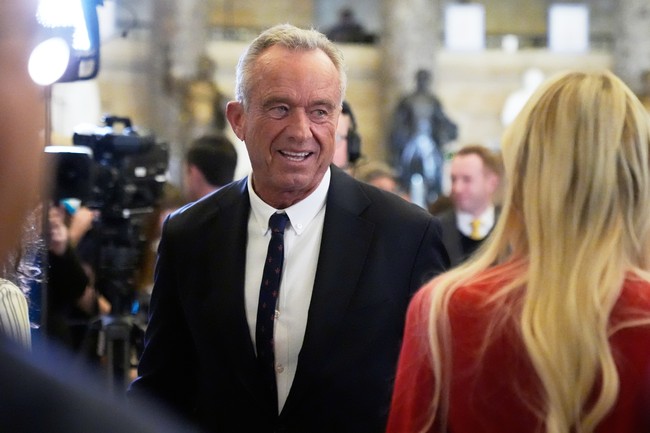
This piece covers HHS Secretary Robert F. Kennedy Jr.’s new cooking series “The Real Food Show,” how it ties into the Make America Healthy Again agenda and the inverted food pyramid, the show’s debut with chef Andrew Gruel, and the practical, budget-friendly approach the series brings to teaching Americans to cook nutritious meals from real ingredients.
HHS Secretary Robert F. Kennedy Jr. launched “The Real Food Show” on Thursday as a cooking series aimed at everyday Americans. The program’s focus is straightforward: make healthy, real-food cooking simple, affordable, and appealing. It connects with the broader Make America Healthy Again agenda and the dietary guidance the administration has been promoting. The series intends to translate policy into practical kitchen lessons people can use at home.
The show leans into an inverted food pyramid philosophy that was highlighted earlier in the year, putting whole, minimally processed foods at the center of meals. That shift is being presented not as theory but as hands-on demonstrations families can replicate. HHS is using the series to reach not just households but institutions like schools, prisons, and care facilities where menus matter. Visual education matters for a streaming audience that learns by watching as much as reading.
Kennedy’s approach is deliberately populist: bring chefs, demystify techniques, and show affordable recipes that feed a family without exotic ingredients. Each episode is built to be budget-friendly while teaching basic nutrition fundamentals tied to the administration’s dietary guidelines. The ambition is to make real-food cooking feel doable for people on tight schedules and tight budgets. That practical angle is what makes the show likely to catch on with the public.
https://x.com/SecKennedy/status/2082897018096144604
Welcome to #TheRealFoodShow.
Thanks to President Trump, we flipped the food pyramid and put real food back at the center of the American plate. Now I’m traveling across America, connecting with renowned chefs to show families how to cook delicious, nutritious meals made with real ingredients at affordable prices. Let’s get cooking!
Watch the premiere episode with special guest @ChefGruel now on my YouTube channel.
The Real Food Show is a new cooking series hosted by HHS Secretary Robert F. Kennedy Jr. that makes healthy, affordable cooking simple and accessible for every American. Inspired by President Trump’s Make America Healthy Again agenda, Secretary Kennedy is bringing the Dietary Guidelines for Americans to life and showing that cooking with real food can be practical, approachable, and affordable for every family. Every episode is packed with affordable, budget-friendly recipes and easy cooking techniques designed to save you time and money. Plus, you’ll get practical nutrition advice to help fuel your family, all while watching incredible special guests whip up their favorite healthy signature dishes right alongside Secretary Kennedy.
There is real value in producing short, visual lessons for our streaming generation that replace lectures with demonstration. The first episode runs only 19 minutes, which is perfect for viewers who want a quick, instructive watch. Showing step-by-step technique beats handing out a list of nutrients and expecting behavior to change. People mimic what they see, so a cooking demo can be more persuasive than pages of guidelines.
The premiere guest is chef Andrew Gruel, known for seafood-focused restaurants and recipes that are both inventive and approachable. Gruel and his wife run Calico Fish House and he founded Slapfish, a regional chain celebrated for fresh takes on casual seafood. The episode’s recipe—Salmon Cakes with Apple, White Bean and Greens Salad—puts affordable protein and vegetables front and center. It’s the kind of plate that proves healthy eating doesn’t require expensive ingredients or complicated techniques.
Personal memories of similar family dishes make the episode relatable; many viewers will recognize the basic structure of salmon croquettes or crab cakes. What distinguishes Gruel’s approach is the small techniques and flavor tweaks that elevate a common recipe into something new. Those little lessons—how to bind fish without heavy fillers, how to build a crisp exterior, how to balance acidity—are teachable and repeatable. If the rest of the series keeps that practical spirit, it can offer real value to home cooks.
Rolling this content through mainstream channels gives the administration an avenue to explain policy in a nontechnical way. Cooking shows are cultural shorthand for how people eat, and when a government figure steps into that arena they can model choices rather than just mandate them. The series aims to demystify nutrition and give families tools, not just rules, to feed themselves better. That educational strategy may be more persuasive than top-down directives.
The production values and guest lineup will determine how broadly the show resonates, but starting with a respected celebrity chef is a sensible move. If episodes remain short, practical, and focused on accessible ingredients, viewers will be more likely to try the recipes. The key test will be whether the show nudges people to actually change shopping and cooking habits. For now, it offers a compact, eat-real-food message delivered in a format millions already understand.


Add comment