
I’ll explain how online fandom has reshaped a criminal trial into a social movement, examine the courtroom facts and the defense claim of postpartum psychosis, describe the social media spectacle and fundraising surge, assess the cultural signals around children’s value and motherhood, and argue why this should unsettle conservatives concerned about law, order, and the dignity of life.
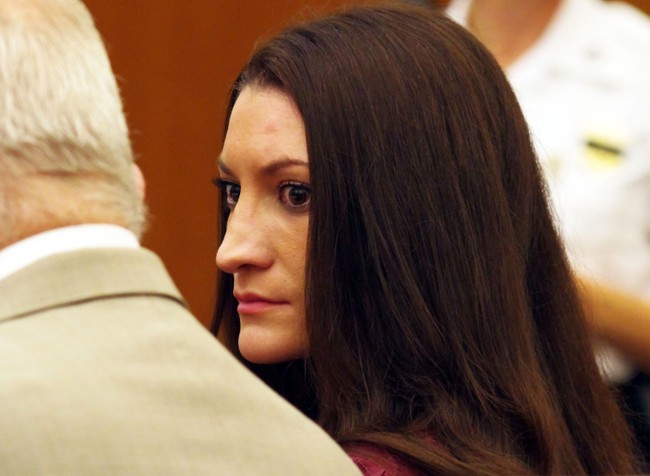
The case at the center of this storm involves Lindsay Clancy, who has admitted strangling her three children in January 2023. Her attorneys concede the killings and are arguing she was legally insane at the time due to postpartum psychosis and powerful medications. That narrow legal question about criminal responsibility is what the jury must decide, and it should be decided on evidence and law, not on hashtag fervor.
Online, however, the story has metastasized into a movement with slogans, coordinated outfits and merchandise. Women showing up in pink and posting emotional videos present themselves as champions of a misunderstood mother. From a conservative standpoint, turning an admitted child killer into a symbol is morally wrong and undermines the basic decency owed to the victims.
There are legitimate concerns about postpartum psychosis, which is rare but serious, and it deserves professional attention without becoming a rallying cry that eclipses the victims. Medical testimony presented at trial, including from forensic psychiatrists, is important and should be weighed carefully by jurors. But sympathy and clinical analysis do not automatically justify elevating a defendant into a cause or treating the courtroom like a stage for virtue signaling.
Social media has amplified impulses that used to be marginal and private, broadcasting raw grief and raw opinions to millions of strangers. People now monetize compassion with shirts, mugs and slogans, turning grief into consumer identity. That commercialization and performative emotion distort the public’s ability to respond with sober judgment to a very dark crime.
The visible outpouring includes mass fundraising that has poured more than $1 million into a family fund and tens of thousands of small donations. Assistance for elderly relatives facing legal and financial burdens is understandable, but the scale of the campaign also reveals how deeply online narratives can manufacture a constituency. Crowdsourced sympathy is not the same thing as proof of innocence or mitigating legal circumstances.
Hundreds of women dressed in pink gathered outside a Massachusetts courthouse this week in a show of support for Lindsay Clancy, the former labor and delivery nurse accused of killing her three children.
Wearing shirts bearing slogans including “Believe,” “She Needed Help” and “Peace for Lindsay,” supporters lined the streets outside Plymouth Superior Court in Massachusetts as Clancy’s murder trial entered its final stages. For many, the demonstration was not simply about one defendant but a broader belief that women’s mental health concerns are too often dismissed by the medical system.
Beyond demonstrations, TikTok and other platforms feature parents holding babies while audio from Clancy’s writings plays over the footage, accompanied by captions like “same, Lindsay.” Those posts claim emotional kinship with a woman who has admitted to killing her children, and they present motherhood as a space where catastrophic acts can be normalized rather than condemned. That normalization is what should set off alarm bells for anyone who believes in protecting children and defending basic moral norms.
Some supporters have even promoted conspiracy theories accusing Clancy’s former husband of responsibility, despite available surveillance and phone records placing him elsewhere. Conspiracy chatter flourishes when social media encourages followers to be armchair detectives and declare alternative villains. Spinning fantasies about third parties does nothing to honor the dead or to respect the judicial process.
It is one thing to advocate for better mental health care and another to turn a criminal defendant into a cult figure. Conservatives favor rule of law, personal responsibility and clear respect for victims; this movement upends all three. When the public substitutes hashtags for careful legal analysis, the scales of justice wobble under pressure from online mobs.
https://x.com/NancyMace/status/2091293345981054990
Wider cultural debates make this case even more fraught, because it touches on how society values unborn and born human life and how it treats motherhood. Public policy and cultural signals that diminish the uniqueness of children or that trivialize life only encourage fragmentation of moral consensus. For those of us concerned with protecting life and restoring social cohesion, this moment demands a measured, firm response.
Social media’s “forensic fandom” impulse treats serious crimes like serialized entertainment, searching for twists and alternative villains because the ugly truth is hard to accept. That trend turns empathy into spectacle and can erase the voices of actual victims. The three children who died should remain the moral center of this story, even if many online participants prefer a narrative that centers their own feelings instead.
What is needed is a cultural rebuild that prizes children, honors motherhood, treats mental illness seriously and restores a sense of responsibility and accountability. The legal system must be allowed to work without being hijacked by merch and performative grief. Above all, public sympathy should not be allowed to supplant justice for the victims whose lives were taken.



Add comment