
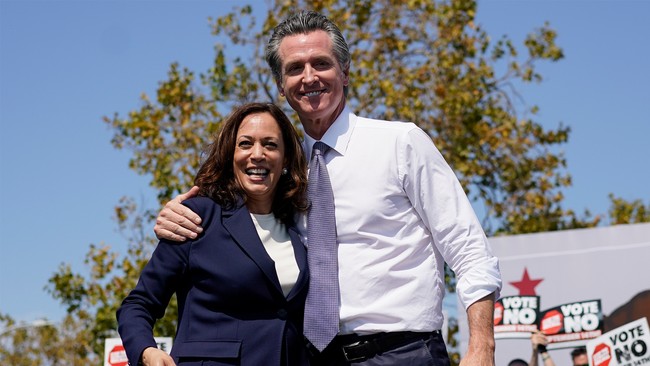
The 2028 Democratic presidential lineup looks thin and underwhelming, with a handful of familiar names failing to excite or inspire confidence among voters. This piece takes a clear-eyed look at the field, examining credentials, polling, and the political baggage each candidate carries. Quotes, numbers, and key details are preserved exactly as originally stated where present. A YouTube embed referenced in the original text is included below in its proper place.
Kamala Harris remains the most prominent name in the group, backed by institutional credentials as a former vice president and U.S. senator from a large state. She is leading the field with almost 30 percent (RCP average) of the vote, and she retains a notable base of support among black voters. Harris recently changed the names of her KamalaHQ social media accounts to “headquarters,” using “headquarters_67” on X, where she already had 1.1 million followers, an apparent nod to the viral “6-7” slang term used by Gen Alpha and Gen Z. Despite those advantages, history matters: Harris’s earlier campaigns in 2020 and 2024 started strong and faded as voters scrutinized her more closely.
Her campaign finances and stamina are mixed signals. The press has noted that she “has” finally paid off debts from 2024, when she “spent” a whopping $1.5 billion during her 107-day sprint to Election Day after President Biden suspended his re-election campaign July 21, 2024, only to lose all seven critical swing states to Trump. Those dollars bought attention but not victory, and voters may worry the same pattern could repeat if she becomes the nominee.
Cory Booker is another name floating in the mix, and his Senate tenure has not produced headline-grabbing legislative achievements. He brings the advantage of being African American and a sizable campaign war chest—reported as almost $20 million—but little evidence that he can translate that into broad national momentum. Recent personal developments, like his marriage, have bumped him into headlines but do not change the basic challenge: Booker has struggled to demonstrate impact on the issues that define national campaigns.
Gavin Newsom’s prospects have seen a modest lift as he positions himself as a foil to Donald Trump, but his standing appears to be plateauing behind Kamala Harris. The governor’s record in California fuels criticism, and losing the statewide office would remove a critical platform for national ambitions. Real political trouble arrives when a governor has to defend a mixed record while trying to nationalize it into a coherent message for all 50 states.
Pete Buttigieg, once a rising star after his time as secretary of transportation and mayor, is now fading in relevance on the national stage. Recent polling showed he “received” 0 percent of the black vote in a survey, a stark indicator of his limits with an important Democratic constituency. Questions about a “tainted” legacy in transportation and the lack of a strong statewide or national power base make a sustained presidential push unlikely.
Josh Shapiro from Pennsylvania would be attractive as a potential candidate if he secures a second term as governor, where polling indicates he “is favored” to win. But his past pro-Israel stance and perceived ties to hawkish positions place him at odds with elements of the Democratic base post-October 7, 2023, tensions. Reports that Harris’s team once asked if he was a “double agent for Israel” speak to the intra-party skepticism that could make a national bid difficult.
J.B. Pritzker of Illinois has the financial resources and statewide standing to remain a player, but a national campaign requires more than money. His record as governor and the perception problems tied to wealth and establishment status limit his appeal to a party that increasingly rewards outsider narratives. Funding his lieutenant governor’s Senate run underscores his influence inside Illinois, even if national traction remains unlikely.
Andy Beshear of Kentucky faces limits because terming out of his governorship leaves him without an obvious next office and facing a party that has moved away from the moderate Southern Democrat model. His profile lacks the national reach and the diversity credentials now prioritized by the party, diminishing his presidential prospects. Without a compelling policy difference or a large national following, his candidacy would struggle to gain oxygen.
Alexandria Ocasio-Cortez carries the energy of the progressive wing and undeniable media visibility, but operational questions persist about her readiness for a national executive run. She is popular among the party’s left flank, and her mix of media savvy and charisma keeps her relevant. Commentators in the original coverage argued she was “as dumb as a rock,” but supporters push back, noting her organizational strengths and fundraising muscle; either way, she remains a polarizing figure whose strengths cut both ways in a primary.
Ro Khanna has made missteps that undercut donor confidence and public credibility, first by alienating Silicon Valley backers over taxation proposals and later by reading names in the Epstein-related filings that should not have been aired. Those actions raised eyebrows and cost political capital at a delicate moment. It reminds many observers of a campaign starter that stumbles before it begins, and his path to a durable national coalition looks rocky.
Overall, the Democratic bench appears to lack a commanding, unifying figure who can excite a broad cross-section of voters while surviving the heightened scrutiny of modern presidential politics. Each candidate brings a mix of assets and liabilities, but at this stage none look destined to run the table without significant shifts in the political environment.

Add comment