
This piece examines Rep. Hakeem Jeffries’ warning to the Trump administration over ICE enforcement, frames Stephen Miller’s defense of ICE, and argues that Democrats’ rhetoric risks undermining law enforcement while energizing Republican voters ahead of crucial elections.
Hakeem Jeffries Goes Way Over the Line: Threatens Reprisals Against Trump and Admin for ICE Enforcement
Stephen Miller spoke on Fox News to remind Immigration and Customs Enforcement agents that the administration supports them as they enforce federal law. He told ICE personnel they had legal backing to perform their duties, no matter the protests or pressure coming from local officials and activists. That straightforward defense of law enforcement predictably drew sharp criticism from Democrats and progressive activists. The dispute quickly became a flashpoint over the balance between enforcing immigration laws and political protest.
“You have immunity to perform your duties, and no one—no city official, no state official, no illegal alien, no leftist agitator or domestic insurrectionist—can prevent you from fulfilling your legal obligations and duties,” he said. Those were Miller’s words, clear and unapologetic, aimed at reassuring federal agents that order and the rule of law matter. Supporters argue that enforcing immigration statutes is a basic function of government and that officers must be free to do their jobs without fear of politicized retaliation. Critics, meanwhile, cast the same remarks as aggressive and provocative, insisting enforcement should be tempered by concerns about civil rights and due process.
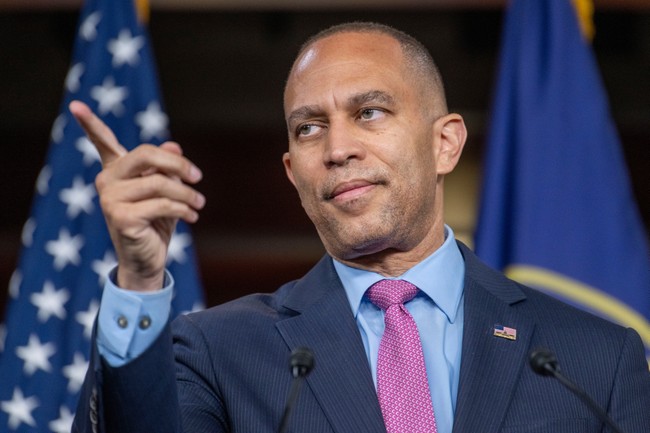
The response from some Democrats went far beyond policy disagreement and moved into what looks like a political threat. House Minority Leader Hakeem Jeffries issued a statement that many on the right see as a warning to career officials and administration personnel about future accountability. That message was couched in legal language about statutes of limitations and potential criminal exposure, and it read as a promise of reprisal if Democrats regain power. For Republican voters, it sounds like a confession that the opposition intends to weaponize the justice system for political ends.
REMINDER: To all members of the Trump administration.
The incitement and engagement in state violence against the American people is a serious crime.
Donald Trump will leave office long before the five-year statute of limitations expires.
You are hereby put on notice.
That blockquote appears verbatim here because the words used by Jeffries are at the heart of the controversy. Republican observers point out that Miller was defending legal duties, not inciting violence, and that labeling routine enforcement as “state violence” is a politically motivated overreach. The sharp contrast between reassuring officers and threatening future prosecutions highlights how differently each side views the role of federal enforcement in a democracy.
There is also genuine concern among conservatives that hostile rhetoric will weaken law enforcement’s ability to maintain public safety. If agents worry they will face criminal investigations for doing their jobs, morale and effectiveness could suffer. Republicans argue that accountability should be nonpartisan and applied consistently, but current Democratic statements sound selective and punitive. That selective tone fuels fears that law enforcement could be chilled by the prospect of partisan retribution.
Beyond legalities, the episode underscores the political stakes for 2026 and 2028, which many Republicans now see as crucial battlegrounds. The debate over ICE and enforcement has already mobilized voters who care deeply about border security and the rule of law. Messaging that suggests the opposition will go after political opponents with the full power of the state reinforces the need for strong electoral gains to protect institutional norms. For conservatives, ensuring that law enforcement can act without fear of retribution is framed as central to preserving public order and democratic stability.
Meanwhile, claims that Democrats are merely defending civil liberties ring hollow to those who see a string of protests and violent disruptions aimed at blocking enforcement actions. Republicans argue that enforcement is not optional and that undermining the agencies tasked with upholding immigration law is itself a political strategy. That perspective drives the current backlash and helps explain why conservative activists and lawmakers have responded so forcefully to Democratic critiques. The clash is likely to remain a defining fault line as both parties prepare for the upcoming election cycle.


Add comment