
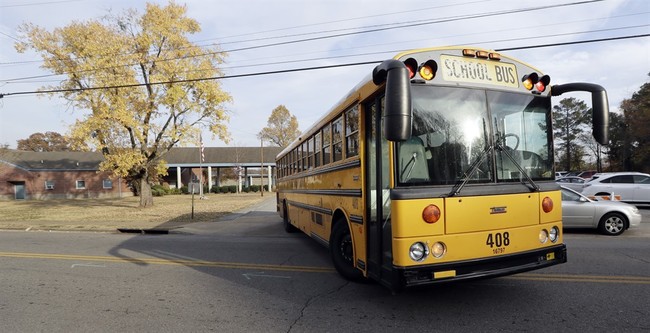
I’ll walk you through what happened in Virginia when a county supervisor was stopped for driving 104 mph past a school bus, how his excuse fell flat, and why this episode echoes other high-speed incidents involving Democratic officials — all backed by dashcam footage and direct quotes from the stop.
Andrew Jimenez, a Fairfax County supervisor, was pulled over after Virginia State Police clocked him at 104 miles per hour in a 70 zone. The trooper’s dashcam captured Jimenez passing a school bus filled with children, a moment that turns what could have been a private mistake into a public safety failure. Driving twice the margin of a reasonable speed limit in a populated area is reckless, and the video leaves little room for debate about the danger he created for kids and other drivers.
When asked by the trooper what happened, Jimenez offered an explanation that landed badly: he said he was running late for a board meeting and apologized. That answer did not change the risk his actions posed, and it shows a troubling attitude toward public responsibility. Prominent figures who put self-interest ahead of safety weaken public trust, and being on the payroll of local government should come with higher standards, not excuses.
Local reporter Nick Minock highlighted additional footage that underlines how casual Jimenez appeared about the situation while still behind the wheel. The dashcam shows him passing the school bus, and the reporter’s coverage includes Jimenez saying he wasn’t paying attention and that the board meeting started in 20 minutes. Those comments are in the official footage and they paint a picture of someone who treated a serious traffic violation like a minor scheduling mishap.
https://x.com/Newsforce/status/2082218207771840596
Video shows a Virginia State Trooper pulling over Fairfax County Supervisor Andres Jimenez for reckless driving. The video shows him driving fast next to a school bus.
The officer tells Jimenez he clocked him driving 104 mph in a 70. Jimenez said he wasn’t paying attention, apologized, said he was on his way to work and that the board meeting started in 20 minutes.
Context matters here. Jimenez operates in deep-blue Fairfax County, where prosecutorial choices have become a political flashpoint. Critics point to patterns where local leadership appears to give preferential treatment to allies or those within their political circle, and episodes like this one fuel concerns about accountability for elected officials. When voters see a clear, documented offense followed by a flimsy explanation, it reinforces the idea that power buys leniency.
This incident is familiar because it mirrors other stories where high-ranking Democrats were caught driving at extreme speeds and faced mild consequences. One high-profile case involved the state attorney general being clocked at 116 miles per hour in a 70 zone and receiving community service that critics said was politically convenient. Patterns like these suggest inconsistent enforcement and a system that too often protects the politically connected.
Beyond the politics, there’s a real legal issue at play. Virginia law requires a speed governor to be installed on vehicles traveling at certain excessive speeds, a safety measure intended to prevent repeat offenses and lower the risk of harm. Whether that measure will be enforced uniformly in this case is an open question, but the statute exists because lawmakers recognized the danger of allowing repeat high-speed behavior to persist without intervention.
Some observers predicted that Jimenez’s case would be handled with kid gloves, chalked up to a mistake and resolved with minimal consequences like community service or a slap on the wrist. That kind of outcome undermines deterrence, because it sends the message that elected officials face different rules. People in public office are supposed to model good behavior, especially when children’s safety is on the line.
Nick Minock reported that Fairfax Supervisor Jimenez was stopped for 104/70.
In Virginia there is a new law that requires anyone at that speed to have a speed governor installed on their vehicle.
But he is a Democrat – so he will probably be allowed to do community service for his reelection campaign and be given an apology by the prosecutor.
Video evidence is powerful because it removes ambiguity and forces a response from the justice system and the community. When dashcam footage shows a supervisor racing past a school bus, citizens deserve to know the full story: what charges were filed, what penalties were imposed, and whether any special treatment was given. Transparency is the only way to rebuild trust when public servants fail to live up to basic safety standards.
The broader takeaway is this: public officials must be held to the same rules everyone else follows, and when they are not, it corrodes confidence in government. Speeding past a school bus at 104 miles per hour is not a private lapse — it is a public danger that calls for clear accountability. The families whose children were on that bus deserve answers and assurances that safety comes first, not political favor.



Add comment