
The article argues that the international community should focus on sustaining pressure against Iran’s theocratic regime while backing organized, democratic Iranian opposition forces as the best path to lasting change and regional stability.
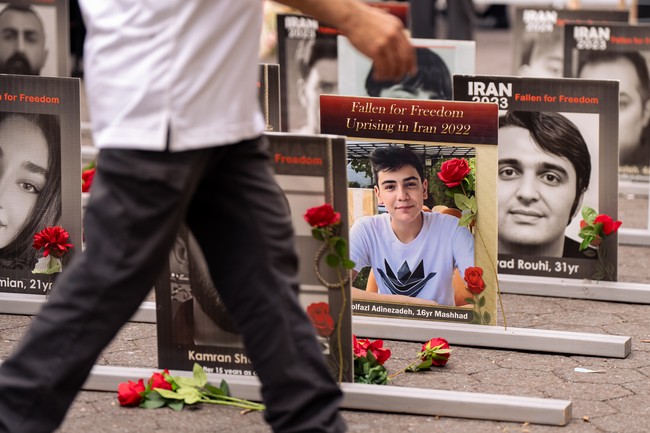
Iran’s theocratic rulers have ruled through fear and repression for decades, and recent events have exposed both the regime’s brutality and its weakening grip on power. Mass uprisings inside the country and an emerging network of organized resistance demonstrate that the real struggle is between the Iranian people and their oppressors, not between foreign powers. Western governments have a responsibility to recognize and amplify the democratic alternative growing inside Iran instead of offering the regime political cover. The stakes are high: supporting authentic domestic opposition can hasten a transition away from a hostile, destabilizing government.
Western policy still too often treats Iran as a monolith that can be placated or negotiated with indefinitely, even as that approach has failed repeatedly. Some governments have taken actions that unintentionally aid the regime by restricting opposition gatherings or entertaining narratives that favor exile figures over homegrown movements. Those missteps undercut the courage of Iranians who risk everything in pursuit of liberty and undermine an opportunity to shift the balance of power. The right policy is to side with the people fighting for democratic institutions and human rights inside Iran.
The popular movement inside Iran is diverse but strategically coherent, with Resistance Units and organized groups laying groundwork for a peaceful, democratic transition led by Iranians themselves. That reality exposes the hollowness of proposals that look to royal claimants or external interventions as the primary solution. Endorsing outside-led efforts risks provoking further violence and harms Western interests by legitimizing scenarios that demand foreign military involvement. A policy centered on empowering domestic actors respects national sovereignty while advancing U.S. and allied security goals.
France’s recent decision to halt a major expatriate rally illustrated how even well-meaning democratic states can inadvertently assist Tehran by curbing organizational freedom. Actions that keep diaspora voices from assembling send a dangerous signal: that Western capitals fear upsetting the regime more than they stand with those demanding freedom. Those embassy and diplomatic choices matter because they affect momentum on the ground inside Iran and morale among activists. The international community should use its platforms to elevate, not silence, those calling for democratic change.
A credible opposition alternative has articulated clear principles for a free Iran: elections, equal rights for all citizens, protections for freedom of religion and expression, gender equality, environmental responsibility, and an economy open to markets. These are not abstract slogans but practical policy commitments that would radically alter the lives of ordinary Iranians. When opposition leaders present a coherent, rights-respecting vision, Western governments can and should recognize the strategic advantage of aligning with it rather than with a regime that exports terror and chaos. Such backing need not mean boots on the ground; it can mean diplomatic recognition, asylum pathways for dissidents, and public condemnation of repression.
The regime’s escalating campaign of executions and harsh sentences against protesters and opposition members is proof of its fear of losing control and of its willingness to brutalize its own people. Repressive violence won’t extinguish the demand for freedom; it will only deepen the resentment and resolve of those seeking change. America and its allies should make clear that human rights abuses carry tangible costs, including targeted sanctions, legal accountability efforts, and restrictions on travel and finance for those responsible. Holding the regime accountable helps protect activists and signals to Tehran that repression isolates, rather than protects, its leaders.
From a Republican perspective, standing with Iran’s democratic opposition aligns with America’s core principles and strategic interests: defending liberty, countering authoritarian influence, and protecting regional stability without undertaking open-ended military commitments. Supporting a credible Iranian opposition offers a path to remove a regime that poses direct threats to U.S. partners and global security. The international community should seize the moment to back organized Iranian forces that seek a democratic future, intensify pressure on the mullahs, and refuse to give the regime the space it needs to regroup and reassert control.

Add comment