
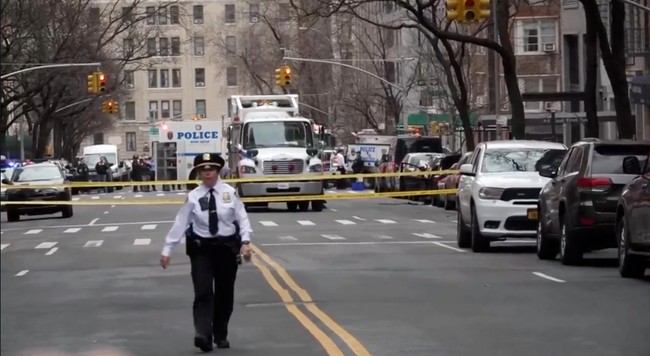
The Justice Department has leveled serious federal charges against two Pennsylvania teens accused of planting improvised explosive devices near Gracie Mansion during competing protests, and investigators say the devices were intended to cause maximum carnage rather than just make a statement.
The devices failed to detonate properly, but officials found they were packed with nuts, bolts, and screws designed to maim or kill anyone nearby. That kind of construction turns an explosive into a shrapnel weapon, and the fact it was aimed at a crowded protest makes the intent particularly chilling. Federal prosecutors moved quickly, reflecting how seriously the government treats attempted mass-casualty plots on American soil.
Authorities have identified the suspects as young men from Pennsylvania, and the federal complaint links their inspiration to the violent ideology of ISIS. Law enforcement officials emphasized that the alleged plot was not tied to the protests’ politics but instead reflected outright radicalization toward terror tactics. The rapid federal response signals zero tolerance for groups or individuals who import foreign extremist tactics into U.S. cities.
Attorney General Pam Bondi posted the news on social media:
Prosecutors charged the suspects with multiple offenses that carry heavy penalties, including the use of a weapon of mass destruction. Those are not casual labels; they trigger robust federal investigation, detention, and prosecution priorities. The charges make clear the Justice Department intends to pursue the harshest possible outcomes for people who bring explosives to American streets.
– Count 3: Transportation of explosive materials
– Count 4: Interstate transportation and receipt of explosives
– Count 5: Unlawful possession of destructive devices
One suspect is named as 18-year-old Emir Balat, described in charging documents as open about wanting to cause bloodshed. The complaint alleges Balat and an accomplice traveled from Pennsylvania to New York with devices intended to harm. When teenagers show up at mass protests with shrapnel-filled bombs, the threat is not hypothetical; it becomes immediate and grave.
Officials at the scene and in the investigative chain stressed there’s “no indication” the suspects acted because of the specific conflict that brought some demonstrators together that day. NYPD Commissioner Jessica Tisch noted investigators found links to ISIS-style ideology rather than to the pro-Iran or anti-regime factions present at the rally. That distinction matters because it underscores how transnational extremist movements can hijack local chaos to carry out attacks.
Witnesses and police accounts show the pair didn’t appear concerned about who would be hurt, only that violence would be done. Being at a protest with mixed crowds meant their devices could have struck civilians, bystanders, or even first responders without discrimination. The moral bankruptcy of wanting “bloodshed” for its own sake is the defining characteristic of terror cells and lone actors inspired by them.
Law enforcement and prosecutors are framing this as a priority national security case, not a local bar fight that escalated. The potential sentences for the accused, if convicted on all counts, will likely remove them from public life for a long time. That outcome aligns with public safety goals; those who plan mass harm must face proportionate consequences under federal law.
Beyond the criminal case, investigators are looking at how these young men became radicalized and who, if anyone, assisted them. Tracing online activity, travel patterns, and contacts helps map the networks that spread violent ideology. Breaking those pipelines is as important as bringing the perpetrators to trial because preventing the next plot depends on disrupting recruitment and logistical support.
City and federal officials are also examining security lapses that could have made the attack easier to carry out, even if the devices malfunctioned. Protests are difficult environments to secure, but targeted planning and interagency coordination can limit vulnerabilities. The public expects both local police and federal agencies to learn quickly from near-misses like this and harden defenses where necessary.
This case is a reminder that violent extremism takes many forms and that our response must be resolute and comprehensive. Federal charges, interagency investigation, and prosecutions that use the full weight of the law are the appropriate response to plots aimed at maiming or killing civilians. Americans deserve swift action and accountability when bad actors try to turn our streets into killing fields.


Add comment