
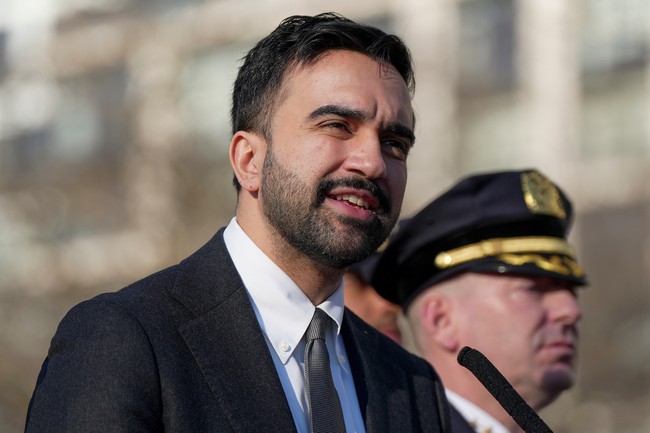
I’ll lay out how CNN misreported the Gracie Mansion incident, show how staff amplified a false narrative, highlight reactions from X users and critics, and include the original posts and subsequent correction while keeping the focus on journalistic responsibility and political implications.
CNN’s coverage of the explosion and attempted attacks near Gracie Mansion was sloppy and politically charged from the start. Two suspects were arrested after improvised devices were reportedly thrown amid protests near the mayoral residence, but reporting soon drifted into speculation about intent and targets. That slippage mattered because a major outlet framing the story as an attack on an elected official changes public perception before facts are verified.
Early on, CNN posted a tone-deaf profile of the suspects that many readers found to be sympathetic in a way that seemed to minimize the seriousness of the alleged actions. The description made the suspects sound like casual visitors who stumbled into violence, which clashed with law enforcement statements about improvised devices and the seriousness of the arrests. That portrayal stirred outrage across conservative circles that see a long pattern of mainstream outlets excusing or downplaying threats when politically inconvenient to Democrats.
On top of that, a CNN host publicly asserted that the incident was “an attempted terror attack against New York’s mayor, Zohran Mamdani,” a claim she later tried to correct. Those initial declarations mattered because they elevated speculation into perceived fact on national television, and then the network had to walk back the claim. Public trust takes a hit when anchors issue dramatic claims and the corrections arrive only after social media erupts.
Senior CNN reporter Edward-Isaac Dovere then added to the confusion with a now-deleted post on X that implied the mayor had been a direct target. Here’s what Dovere wrote in a since-deleted :
“This conversation with now a fellow target of political violence was a different type of call.”
The wording was sloppy and misleading because law enforcement had not said the mayor was the target of the attack. Reporters and anchors should distinguish between confirmed targeting and events happening near a political figure’s residence. Lumping proximity and motive together creates a false narrative that can be weaponized by political operatives and partisan media alike.
Reaction online was swift and unforgiving, especially from users who see a pattern of favoritism in mainstream coverage. X users called out Dovere and CNN for repeating a narrative that lacked evidence, and screenshots and commentary spread quickly. Social media responses highlighted the contrast between instant, viral assertions and the slower, often more cautious releases from law enforcement.
For many conservatives, this episode reinforced long-standing concerns about media bias and selective outrage. Critics pointed to previous instances where the same network treated similar stories differently depending on who might be politically damaged. That perception is why quick clarifications and transparent sourcing matter so much; otherwise readers assume the slant is deliberate rather than accidental.
Commentators like Brad Slager noted that this looks less like an honest mistake and more like a pattern of shaping stories to fit a preexisting narrative. When major outlets repeatedly misstate facts or emphasize misleading frames, it feeds a broader distrust of institutions that should be neutral. Viewers deserve coverage that separates confirmed facts from speculation, and that distinction was blurred repeatedly in this case.
The historical context matters too: critics pointed out past examples where networks downplayed concerns about a sitting president’s condition or presented partisan takes as balanced reporting. Those previous failures add weight to current skepticism and make corrections feel like damage control rather than accountability. If you want people to trust mainstream reporting again, consistent accuracy has to come before commentary.
Eventually Dovere posted a correction acknowledging the error and deleting the original post. The exact correction read:
I want to correct something I posted earlier on X, which inaccurately implied that Mayor Mamdani was the target of political violence in last week’s ISIS inspired attempted terror attack in New York City. Law enforcement officials have said the two terror suspects threw improvised explosive devices at an anti-Islam demonstration and a counterprotest near Mayor Mamdani’s home Saturday, but did not say that he was the target. I apologize for the error and have deleted the original post.
The correction is necessary but it should not be the end of the conversation about editorial practices. When reporters misstate critical details in a charged political environment, they compound the risk to public discourse. Accountability means more than deleting a post; it means examining how the mistake happened and preventing repeat errors.
In the end, this episode is another reminder that media outlets must prioritize verified facts over narratives that fit their audience or editorial stance. Readers who value straightforward reporting expect outlets to correct mistakes openly and to avoid speculative leaps that inflame partisan tensions. Until that standard is consistently met, skepticism will remain a healthy and appropriate response.

Add comment