
CENTCOM commander Admiral Brad Cooper gave a clear, forceful update on Operation Epic Fury, describing sustained strikes that have hit Iranian naval, manufacturing, and logistics sites and emphasizing that the campaign aims to degrade Iran’s ability to make and deploy weapons; the report honors fallen service members and shows imagery of the damage while stressing logistics as the decisive factor in war.
Admiral Cooper opened by honoring the service members lost in the KC-135 tanker crash, reminding the public that sacrifice underpins every operation. “We hold their memories, and their families, their friends and their teammates in our prayers. Their selfless service and their dedication hardens our resolve.” That tone frames the rest of the briefing: mission-focused, solemn, and determined.
Over the last 16 days CENTCOM reports sustained, concentrated strikes across Iran intended to dismantle both weapons and the means to produce them. “For 16 days, we’ve delivered overwhelming firepower deep into Iran. This past Friday, U.S. forces executed a large-scale precision strike on Kharg Island, destroying more than 90 Iranian targets, including storage bunkers for naval mines and missiles, and other military infrastructure.” Those are specific outcomes, not vague promises.
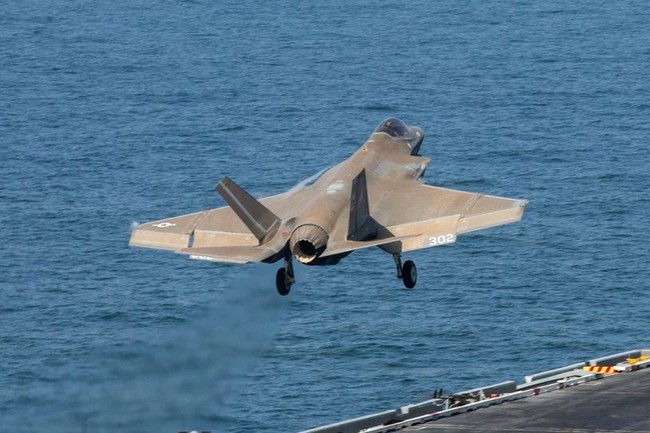
The admiral highlighted the scale of air operations supporting the strikes and the interoperability of services involved. “To date, our Air Force, Navy and Marine Corps aviators have collectively flown more than 6,000 combat flights, demonstrating the unmatched capabilities of America’s joint force as we maintained air superiority over Iranian skies.” Air dominance and combined arms are front and center in this campaign.
We hold their memories, and their families, their friends and their teammates in our prayers. Their selfless service and their dedication hardens our resolve.
CENTCOM released video and imagery of destroyed installations, showing strikes on missile launchers, storage depots, and manufacturing facilities. The point being driven home is not just temporary attrition of Iranian munitions, but the removal of the industrial base that produces them. Removing that capacity limits future threats and reduces the risk to U.S. forces and regional partners.
For 16 days, we’ve delivered overwhelming firepower deep into Iran. This past Friday, U.S. forces executed a large-scale precision strike on Kharg Island, destroying more than 90 Iranian targets, including storage bunkers for naval mines and missiles, and other military infrastructure. To date, our Air Force, Navy and Marine Corps aviators have collectively flown more than 6,000 combat flights, demonstrating the unmatched capabilities of America’s joint force as we maintained air superiority over Iranian skies.
Admiral Cooper emphasized the difference between intercepting attacks and striking at the source of those attacks. “It’s one thing to defend by striking launchers and intercepting missiles and drones. But it’s another thing to eliminate the wider manufacturing apparatus behind them. And we are doing that today. We’ve talked about it in concept. Here’s what it looks like in reality.” That distinction matters politically and militarily: defense alone is not enough.
The briefing singled out strikes against logistics hubs, missile storage, and drone factories, accompanied by footage intended to show the campaign’s precision. CENTCOM asserts these operations directly reduce Iran’s ability to project power against Americans and neighbors, and to threaten commerce through the Strait of Hormuz. Militarily, diminishing Iran’s production lines changes the long-term balance of cost and capability.
It’s one thing to defend by striking launchers and intercepting missiles and drones. But it’s another thing to eliminate the wider manufacturing apparatus behind them. And we are doing that today. We’ve talked about it in concept. Here’s what it looks like in reality.
The admiral also tied operations to protecting civilians and regional stability, noting Iranian attacks on neighboring countries and civilian infrastructure. He argued that the strikes are not wanton destruction but targeted measures with clear military objectives to stop aggression and protect commerce. That rationale aligns with a straightforward strategy: take the fight to the source so the threat is reduced permanently.
Closing the operational thread, CENTCOM made a point to praise the logistics and sustainment work that keeps forces supplied and capable. Wars are decided by supply chains as much as by bullets and bombs, and the United States still excels at the hard work of moving men, materiel, and fuel where they are needed. That capability, paired with precise strikes on production and storage, is how commanders expect to win decisively.



Add comment