
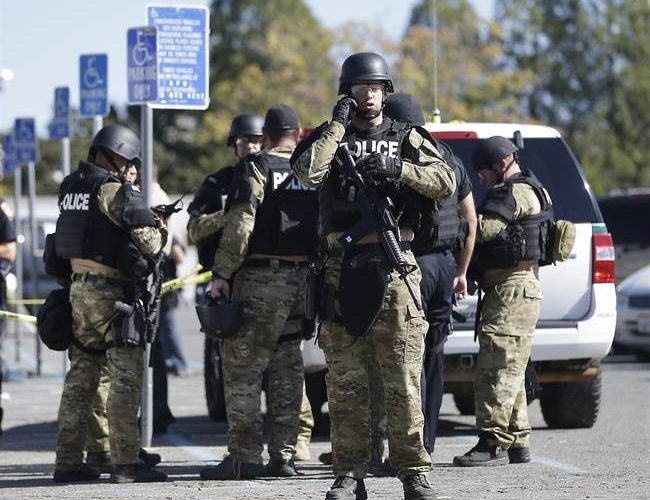
Operation Reclaim and Rebuild was a coordinated, multiagency sweep across California that began with a single citizen tip and uncovered a sprawling sex trafficking network, resulting in hundreds of arrests and dozens of rescued victims; this article walks through the operation’s scope, participating agencies, local impacts, and the political context surrounding enforcement in California.
This investigation began when a resident noticed suspicious activity at a suburban home and reported it to authorities. That single tip triggered months of surveillance and a week-long law enforcement operation targeting both online and street prostitution. The result: dozens of victims freed and hundreds of arrests across the state.
Law enforcement made tangible gains: 156 adults and 14 children were rescued from sex trafficking, 71 suspected traffickers were taken into custody, and 328 people were arrested as sex buyers. These numbers represent real people, many of them minors, who were removed from abusive situations and placed into protective care. The scale of the operation shows what coordinated policing can accomplish when agencies and communities cooperate.
Multiple agencies worked together on the sweep, bringing a variety of investigative tools and victim services to the effort. Local police, county sheriff units, state highway patrol, federal investigators, probation officers, and homeland security all played roles in identifying locations, making arrests, and connecting victims with resources. Victim advocacy organizations also assisted, helping to get survivors immediate medical and social support.
A single tip about a quiet suburban home in California exploded into a massive human trafficking takedown that rescued nearly 20 children, uncovered residential brothels and netted more than 600 arrests statewide, authorities said Tuesday.
The week-long operation, dubbed Operation Reclaim and Rebuild, involved dozens of agencies and led to the rescue of 12 adults and five children in Los Angeles County alone, officials said during a news conference.
Los Angeles County Sheriff Robert Luna said the entire investigation began with a single citizen complaint about a suspicious home in Walnut. That tip led to months of surveillance and the discovery of multiple trafficking locations in nearby suburban neighborhoods.
The operation targeted neighborhoods that suburban residents thought were safe, exposing how traffickers hide in plain sight. In San Bernardino County alone, investigators made 44 arrests for solicitation, pimping, and pandering during the one-week push. Law enforcement emphasized the dual mission of arresting offenders and identifying victims who need help.
San Bernardino County officials reported services and resources were provided to victims rescued during the operation, reflecting an awareness that arresting traffickers is only part of the solution. Survivors require counseling, safe housing, legal assistance, and long-term support to rebuild their lives. These supports are essential if the state hopes to reduce recidivism and prevent further exploitation.
Communities should know their vigilance matters: a single citizen complaint set this whole effort in motion. Police urged the public to report suspicious activity and to remain involved with local safety initiatives. When residents work with law enforcement, they can uncover networks that would otherwise continue to prey on vulnerable people.
Over the one-week period, investigators, made 44 arrests throughout San Bernardino County for solicitation of prostitution and Pimping/Pandering. Services and resources were provided to ten rescued victims. The operation targeted online and street prostitution. The San Bernardino County Sheriff’s Department’s goal in this operation was to not only arrest individuals involved in solicitation, but to identify victims and provide those victims with resources.
The arrested population included suspected traffickers and hundreds of buyers, but officials have not yet specified how many of those arrested will face felony trafficking charges versus lesser solicitation offenses. That distinction matters for how aggressively the justice system pursues organized networks versus one-off offenders. Prosecutors will now sort through evidence to determine appropriate charges and long-term detention for those central to the trafficking rings.
Victims came from a wide geographic area, underscoring the interstate nature of many trafficking schemes. Some rescued children and adults were brought from states such as Illinois, Oklahoma, and Missouri, illustrating how traffickers move people across state lines. This mobility complicates investigations but also highlights the need for federal involvement and cross-jurisdictional cooperation.
Among the 611 total arrests were suspected traffickers and hundreds of sex buyers, though authorities have not yet said how many will face felony human trafficking charges versus lesser solicitation offenses.
Law enforcement leaders pointed out the grim reality: traffickers exploit teenagers and young adults from both local communities and distant states. “We have traffickers that are putting barely teenage girls on the streets of Los Angeles to be victimized, repeatedly, over and over again,” said LAPD Deputy Chief Alan Hamilton. “These children did not come from one place. They came from Chicago, from Oklahoma, from Missouri, tribal lands… and from communities right here in the state of California.”
Officials said some of the victims rescued came from as far away as Illinois, Oklahoma and Missouri, underscoring the scope of the human trafficking ring.
“We have traffickers that are putting barely teenage girls on the streets of Los Angeles to be victimized, repeatedly, over and over again,” said LAPD Deputy Chief Alan Hamilton. “These children did not come from one place. They came from Chicago, from Oklahoma, from Missouri, tribal lands… and from communities right here in the state of California.”
From a Republican perspective, this operation proves two things: strong enforcement saves lives, and leadership that supports law enforcement makes these results possible. California’s political leaders who prioritize political posturing over robust policing leave victims vulnerable. Real rescue work happens when officers on the street are empowered and supported.
Ultimately, Operation Reclaim and Rebuild shows both the horror of modern trafficking and a pathway forward: public tips, interagency coordination, victim services, and determined prosecutors. The work is ongoing, and this bust is an example of what focused policing can achieve when communities and law enforcement act together.


Add comment