
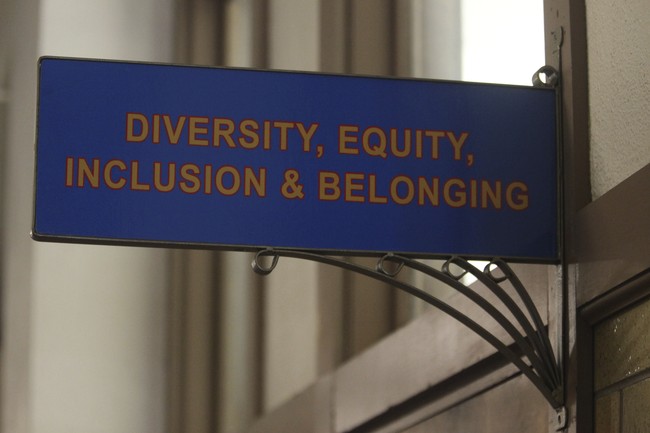
The piece looks at how LinkedIn profiles changed after President Donald Trump returned to office in 2025, documenting a sharp reduction in retroactive mentions of diversity, equity, and inclusion on past jobs and connecting that shift to Executive Orders 14151 and 14173 and to patterns researchers found in an NBER working paper tracking edits across millions of profiles.
For years many LinkedIn profiles were dense with DEI language, framing past roles with terms like diversity, equity, inclusion, and DEI. That practice grew into a form of résumé theater, with companies and workers emphasizing diversity rhetorically far more than workplace demographics actually moved.
Everything shifted after President Trump reentered the White House in early 2025 and signed Executive Orders 14151 and 14173 dismantling federal DEI programs and tightening rules for federal contractors. Around the same time, additions of DEI-related terms to jobs people had already left dropped sharply on LinkedIn, suggesting a rapid change in what professionals want their résumés to say.
Researchers behind a new National Bureau of Economic Research working paper tracked monthly edits to 29.4 million U.S. LinkedIn profiles from August 2020 through January 2026. They focused on edits made to positions that were already over so the changes represent deliberate rewrites of past work rather than updates to ongoing duties.
The study excluded edits made within 60 days of a person leaving a job to avoid capturing routine updates tied to role changes. Many of the edits the paper analyzes happened years after the roles ended; the median edit occurred 4.5 years after a job had finished. That timing makes it clear people were reshaping their past to match what they thought future employers wanted to see.
About 19.7 percent of the established LinkedIn users in the sample changed at least one previous title or job description. The authors label these users “time travelers.” The explanation they offer is straightforward: “Workers modify their résumé to reflect what they believe employers want to hear.”
The revisions line up with job-search behavior. Users who later changed employers were already more than twice as likely to revise an old job a year before making a move, and editing activity climbed further in the six months before a job change. But the edits studied here often affected roles that had ended long before anyone was actively looking for new work.
DEI terms were being added to past jobs early in the decade, a pattern that supported a public-relations emphasis on diversity even if real workplace composition barely shifted. That trend slowed through 2024 and fell much more sharply at the start of 2025, coinciding with the executive orders targeting federal DEI programs and actions aimed at federal contractors.
The authors call attention to those orders when discussing the decline, and the LinkedIn timing matches: people were removing DEI language about the same time the federal government reversed course. “Here we find workers removing diversity from their job descriptions—without any changes in the underlying jobs being described.”
That sentence matters because the underlying roles did not change. A program from 2019 or a meeting from 2021 was not altered in 2025; what changed was the description visible to recruiters years later. The rewrite was strategic, intended to present a past shaped by current expectations rather than by the facts of the moment.
The paper places the DEI retreat in a broader context of résumé picking and choosing. After ChatGPT’s release in late 2022, for example, retroactive additions of “AI,” “GPT,” “LLM,” and “artificial intelligence” soared, often appended to jobs that predated those technologies. Remote-work language shifted the other way as return-to-office mandates spread. Workers polish profiles to match what’s in demand.
The researchers make no claim that deleting DEI language actually improves hiring outcomes; that remains an open question. They also note the working paper has not been peer-reviewed, though the scale of the data and the timing of edits make the pattern hard to ignore for anyone watching labor-market signaling.
By January 2026, users were still revising long-past jobs, and DEI had clearly moved from something worth highlighting to résumé baggage for many professionals. What began as an era of performative corporate diversity talk now looks like a chapter that people are quietly editing out of their professional histories.


Add comment