
Checklist: Reaffirm U.S.-Japan alliance, highlight Trump’s personal diplomacy, explain strategic and economic implications, address critics, keep quoted statements intact.
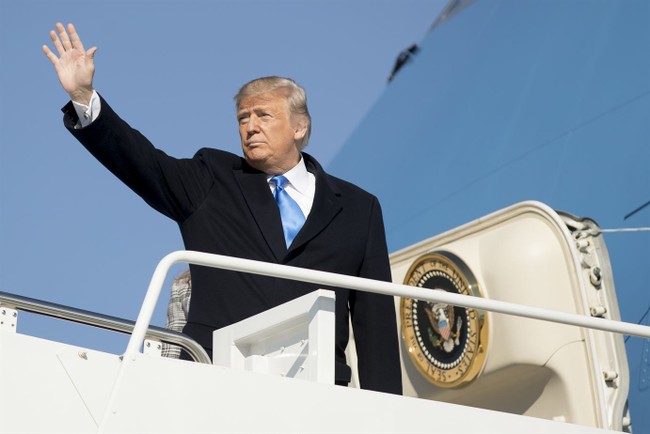
When Donald Trump arrived in Tokyo to meet Sanae Takaichi, the moment felt deliberately different from routine diplomacy. He didn’t come with casual niceties; he offered a clear signal of partnership. “You will be one of the greatest prime ministers … You’ve got a partner in the United States, at the strongest level.” Those words matter because they show more than friendly rhetoric—they show commitment from the top.
Takaichi’s appointment is historic as Japan’s first female prime minister, and Trump’s reception made it obvious the visit was about strategy as much as symbolism. “Any question, doubt, favours you need … we will be there,” he said, and that promise anchors the visit in practical backing, not just ceremony. For conservatives who value strong alliances and clear deterrence, this was the right tone at the right time.
We live in an age where alliances face pressure from economic competition and strategic rivals, and American leadership still matters when it actually shows up. The U.S.-Japan relationship has long been a cornerstone of stability across the Indo-Pacific, and this visit reaffirmed that role. Public praise from a U.S. president sends signals not only to Tokyo, but to Beijing and other capitals watching closely.
There’s a clear strategic angle here: committing to Japan strengthens regional deterrence and reassures partners. For a nation balancing challenges from China and uncertainty around North Korea, visible American backing is a force multiplier. Practical deals and investment pledges paired with public support turn words into leverage and make deterrence more credible.
Economically, alignment on critical resources and trade gives both countries breathing room to secure supply chains and attract investment. The visit included concrete agreements and commitments that go beyond speeches, reflecting mutual interests in technology, critical minerals, and supply resilience. That kind of cooperation benefits workers, industries, and national security alike.
Optics matter in diplomacy, and this handshake carried weight because it combined respect with resolve. Trump’s direct praise for Takaichi projects strength; it tells allies the U.S. intends to be an active partner, not a passive observer. For those of us who want America to lead from strength, seeing a president use direct, unvarnished language is refreshing and strategically useful.
Critics will try to reduce this to domestic culture wars or ideological lines—pointing at Takaichi’s conservative stances or invoking identity politics. That misses the point. When national security and regional stability are at stake, partisan labels don’t matter as much as mutual capability and shared purpose.
From a Republican perspective, backing an ally that strengthens the free world is straightforward: support those who stand firm against malign actors and who choose partnerships over appeasement. A strong U.S.-Japan partnership helps preserve peace and protects trade routes and technologies that sustain prosperity back home.
Trump’s personal chemistry with leaders and his blunt style can be polarizing, but it also simplifies foreign messaging in a crowded media environment. Clear commitments cut through ambiguity, and allies respond to clarity. When the message is, “We will be there,” it reduces the risk of miscalculation and gives room for coordinated defense planning.
Of course, alliances require work beyond pronouncements; they demand follow-through in policy, investment, and military posture. The public elements of a visit—statements, ceremonies, signed agreements—are meaningful only if implemented. That’s why conservative attention should turn quickly to execution: enforce the agreements, secure supply chains, and keep defense cooperation tangible.
There’s also a human side to diplomacy that gets overlooked: trust between leaders. When a president publicly commits to a prime minister, it builds personal confidence that can pay dividends in crises. Leaders who trust one another coordinate faster and more effectively, and that can be decisive when seconds count.
Finally, moments like this remind Americans that diplomacy can be straightforward without being soft. Strong partnerships, unambiguous promises, and real economic ties together produce a safer world and a more secure future for citizens. This Tokyo visit aimed to do exactly that, and for those who favor clear, muscular foreign policy, it was a positive step.
Editor’s Note: The Schumer Shutdown is here. Rather than put the American people first, Chuck Schumer and the radical Democrats forced a government shutdown for healthcare for illegals. They own this.

Add comment