
Checklist: summarize Tuesday’s Texas runoffs and outcome in the 18th district; note the players and vote totals; highlight Al Green’s tenure and notable moments; frame the result from a Republican viewpoint and underscore redistricting’s role.
Tuesday’s Texas primary runoff delivered clear results in a messy cycle of redistricting and political theater. The 18th district contest pitted recent special-election winner Christian Menefee against long-serving Rep. Al Green, and the voters made a decisive choice. Decision Desk called the race, and the margin left little room for doubt. For conservatives watching, the outcome underscored how strategic campaigning and district lines matter on election day.
The numbers tell the story plainly: Menefee finished with roughly 68.6 percent while Green trailed at about 31.4 percent. That final tally ended a 21-year run by Al Green in Congress and marked a clear handoff of the 18th district’s representation. For Republicans and independents tracking Texas politics, the result is a reminder that incumbency alone is no guarantee when districts shift and fresh challengers seize momentum. It also reiterates the power of turnout in runoffs.
Al Green chose to run in the 18th after his own district was redrawn, a decision that carried political risk from the start. The move was intended to place him in a safer, more familiar electorate, but the change did not translate into victory. Observers on the right point out that redistricting can cut both ways, sometimes creating vulnerable situations even for long-tenured incumbents. The practical lesson is that politicians must read new maps honestly and campaign aggressively to protect their seats.
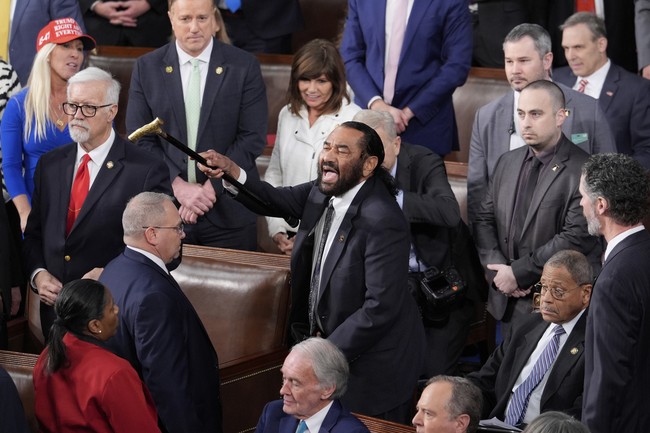
Green’s long tenure in Washington included moments that defined his public persona beyond routine legislative work. He famously pushed impeachment efforts and made dramatic appearances that grabbed headlines and TV time. Those actions energized some voters but alienated others, and in an era where message discipline matters, that mix can produce mixed returns at the ballot box. Conservatives see Green’s exit as evidence that performing for cameras and pursuing partisan stunts doesn’t always translate to sustained voter support.
The campaign itself was competitive on local terms, but Menefee ran a campaign that connected with voters in the newly drawn district. He emphasized local issues and leaned into outreach, while Green’s national profile and theatrics failed to overcome the immediate concerns of constituents. Republicans watching the race noted how a focused local message often trumps headline-grabbing maneuvers, especially when voters are weighing bread-and-butter matters. This result should prompt incumbents to re-evaluate their priorities in swing and redrawn districts.
Redistricting was a central factor in this race, as it has been across numerous contests this cycle. Maps can protect or imperil representatives, and in the 18th, the new lines reshaped the electorate in ways that mattered at the ballot box. Conservatives argue that fair, sensible lines that respect communities of interest lead to more accountable representation, while chaotic or purely political redistricting fuels uncertainty and churn. The takeaway is that the mechanics of our elections—how districts are drawn and who gets to vote where—remain as consequential as any campaign ad.
Green’s push for impeachment and his high-profile reactions in Congress were part of his public identity for years. Those episodes kept him relevant in national debates but did not shield him from local political realities. Republicans will point to this as validation that voters reward practical engagement over perpetual outrage. Conservatives prefer representatives who deliver results and focus on constituents rather than performative grandstanding.
From a Republican perspective, the broader pattern in Texas runoffs has been encouraging: energized voters, clear messaging on governance and accountability, and a willingness to hold elected officials to account. The 18th is one example where voters chose change over familiarity, and that choice resonates with the idea that public service requires constant responsiveness. For those who back limited government and electoral accountability, the lesson is straightforward: stay engaged, make local connections, and don’t assume any seat is safe.
Politics in Texas will keep evolving as new maps and new players appear, and the 18th district’s result is a chapter in that ongoing story. For conservatives paying attention, the outcome reinforces core principles about representation and campaigning. Voters demonstrated they can and will make decisive choices when given clear alternatives, and in this case they opted to move on from a long-serving incumbent.



Add comment