
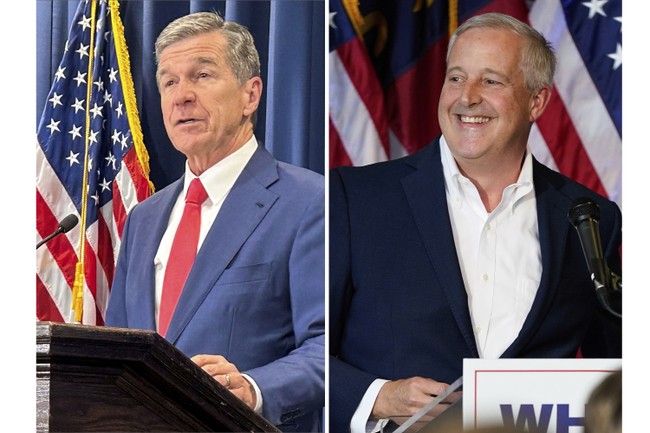
I’ll explain why the North Carolina Senate contest matters, recap the polling and recent national investment, assess the strengths and weaknesses of Roy Cooper and Michael Whatley, note strategic concerns on both sides, and look at how the next three months could reshape the race.
August marks the start of a critical stretch in the 2026 cycle, with roughly three months left for candidates to make their case before Election Day. In North Carolina, that timeline matters more than usual because the state is a clear pickup opportunity for Republicans defending a Senate majority. The dynamics here are classic: a well-known Democratic nominee facing a less familiar Republican contender, with national groups now deciding how hard to push.
Former Governor Roy Cooper has dominated name recognition in North Carolina for decades and it shows in the polling. He has led most publicly released matchups, sometimes by double digits, and even the conservative-leaning polls that narrow the gap still show Cooper maintaining an edge in many samples. That kind of familiarity gives Cooper a big advantage in turnout and baseline support heading into the final months.
Michael Whatley, the Republican nominee and former RNC chair, has tried to make crime and uneven campaigning the central themes of his bid. His strategy is straightforward: tie Cooper to permissive policies and argue Cooper is selective about where he shows up in the state. That message can work, especially if the campaign combines it with aggressive voter contact and better name ID, which is where national money can make a decisive difference.
The Senate’s top GOP super PAC is launching a $17 million summer ad campaign in North Carolina — its largest reservation anywhere in the country so far this cycle, underscoring the state’s importance to Republicans’ hopes of defending their Senate majority.
The investment, shared first with POLITICO, is the first tranche of Senate Leadership Fund’s previously announced plan to spend $71 million in North Carolina this year.
[…]
The SLF ad buy signals the beginning of more national resources to come. A person familiar with SLF’s plans in North Carolina, granted anonymity to speak candidly, said the investment reflects the party’s growing confidence that a sustained advertising blitz will expose vulnerabilities in Cooper’s record.
That injection of cash from the Senate Leadership Fund is the kind of moment campaigns live for: it can build name ID, define the opponent, and give field teams the budget they need to reach persuadable voters. Republicans have to spend where they can win, and North Carolina is one of those places where a coordinated ad and field push should matter. If the money finds the right targets and the messaging lands, the numbers can move fast.
Still, there are real obstacles for Whatley. Cooper’s long tenure in state government—state house, state senate, attorney general, governor—means voters know his name and record. That kind of institutional familiarity reduces the impact of short-term ads unless they land new, damaging information tied to clear consequences for voters. The legacy media in the state tends toward Cooper, which helps him frame the debate early and often.
Republicans also contend with internal doubts about loyalty and message discipline, which can derail momentum if left unaddressed. The concern some conservatives raised about Whatley’s loyalty to President Trump could become a liability, though loyalty questions can be managed by unified messaging and clear endorsements. As the old line goes, “You go to war with the army you have, not the army you might want or wish to have at a later time.”
The final quarter of a campaign typically matters most, and history in North Carolina shows races can tighten dramatically in September and October. Past contests produced come-from-behind wins when disciplined campaigns used late ad sweeps and targeted field operations. If Republicans want to flip this seat, they need to translate the SLF’s investment into sustained organization and crisp, persuasive ads that highlight differences on crime, economic stewardship, and respect for law and order.
Cooper would be a reliable vote against President Trump’s agenda and, by most accounts, would vote to convict in any impeachment trial, which shapes the stakes for conservative voters. That alone gives Republican strategists a clear incentive to make this race competitive and to press every advantage available. With three months to go, both sides get to prove whether their organization and messaging can sway the voters who decide the outcome.


Add comment