
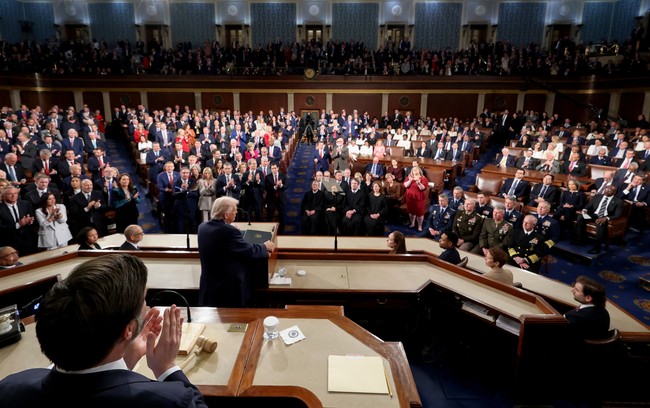
The White House teleprompter operator who has worked with President Trump since 2016 is under federal scrutiny for allegedly betting on the content of speeches he helped prepare, raising fresh concerns about inside information, market surveillance, and how someone with privileged access might exploit it.
White House Press Secretary Karoline Leavitt returned from maternity leave into an awkward moment as reporters pressed her about allegations that a teleprompter operator used advance knowledge of presidential remarks to place lucrative wagers. The staffer—identified in reporting as Gabriel Perez—has been put on leave while regulators probe trades tied to multiple speeches. The situation has exposed how a seemingly obscure role can touch sensitive, high-value information.
The basic allegation is straightforward: an employee who sees scripts and cues before they are public could predict which topics will be mentioned and then place bets on prediction markets that pay out if those topics appear. Federal investigators with the Commodity Futures Trading Commission are examining trading patterns that reportedly led to more than $100,000 in gains tied to over a dozen speeches. Market surveillance systems and whistleblower channels flagged unusual activity, prompting the platform to freeze the account and preserve most of the profits.
That kind of access makes the case feel different from ordinary staff misconduct. Teleprompter operators time scrolling to a speaker’s cadence, cueing phrases and changes. Their job requires them to be in the room early and to handle final script versions, so they can be privy to the wording of major addresses well before audiences see them. Given that position, even small phrases or mentions can become tradable events on prediction markets.
Reporters asked Leavitt for a response at the briefing and she delivered a direct statement about the administration’s view and the personnel action taken.
Obviously, I’m aware of the report, the president is, too. I spoke with him about it. He believes it’s deeply unfortunate and, frankly, a disgrace, and the individual cited in that report is complying with the CFTC but has been put on paid administrative leave [she later clarified that it was “unpaid” leave].
So there will be a teleprompter operator tonight, of course, but it will not be the one, unfortunately, in that story.
Outside the briefing room, critics were blunt and unforgiving. One reaction captured the anger felt by some supporters who saw the alleged behavior as a betrayal: “How dumb can one person be? What an absolute stab in the back to Trump and everyone else in the administration. Truly disgraceful.” That sentiment reflects how insiders taking advantage of privileged information can undermine trust and morale.
Market platforms have compliance measures precisely for situations like this. According to reporting, the prediction market noticed trades that did not match normal user patterns and used onboarding and monitoring data to identify the account holder’s federal employment and role. When a platform’s surveillance flags trades and market makers raise concerns in whistleblower channels, firms often freeze accounts and retain disputed gains while regulators or outside investigators weigh in.
https://x.com/cspan/status/2077811931784925500
The trades in question reportedly covered a range of events, from a World Economic Forum appearance in Davos to remarks at a Medal of Honor ceremony, all occasions where the teleprompter operator would likely see finished scripts ahead of time. That pattern—multiple speeches, repeated market activity corresponding to specific mentions—was what drew regulatory attention. Surveillance teams and exchanges take repeated, targeted bets that consistently win as potential red flags.
There are broader legal and ethical lines to consider here. U.S. markets and federal rules prohibit trading on material, nonpublic information in many contexts, and prediction markets are increasing their scrutiny as they grow in prominence. Regulators must show whether the activity crossed into prohibited territory and whether company controls and disclosures were adequate to prevent misuse. The case will likely probe both the operator’s intent and the platform’s compliance practices.
Operationally, the White House has to keep its briefings and speeches running smoothly while the inquiry proceeds. Teleprompter work is technical and highly choreographed; swapping operators ahead of a major address requires careful coordination so pacing, timing, and camera cues stay aligned with the speaker. For now, the immediate solution is to have another operator handle live events while the matter is resolved.
The episode illustrates how modern markets and surveillance tools intersect with government operations in unexpected ways. When access to script-level content meets real-money prediction bets, systems on both the regulatory and administrative sides react fast. That reaction led to an internal leave decision and an ongoing regulatory review, and it has sparked a debate about safeguards around who sees presidential materials before the rest of the country.


Add comment