
Breakaway Somaliland Now Challenging Iranian, Houthi Dominance in Red Sea
Somaliland’s tilt toward the United States and Israel, its push for diplomatic recognition, and offers of basing at Berbera are reshaping power dynamics along critical Red Sea lanes and directly challenging Iran and Houthi proxies.
Somaliland is a small, self-declared state now asserting itself in a strategically vital region, and it’s doing so with a clear eye toward allies that share Western and Israeli interests. For a territory that split from Somalia and has long existed in a legal gray area, moves toward formal ties with Israel and openness to U.S. military presence mark a bold shift. That posture is already unsettling Tehran and its Houthi partners who have leveraged maritime attacks and proxy pressure to influence regional shipping lanes. From a conservative U.S. perspective, partnering with a pro-American, pro-Israel actor in the Horn of Africa is the kind of decisive, practical policy we should encourage.
Somaliland, in another interesting move, appears to be establishing diplomatic relations with Israel. The breakaway country has already opened an embassy in Jerusalem, and Israel, reportedly, according to the Reuters news service, plans to reciprocate.
Somaliland, a breakaway region of Somalia, will set up an embassy in Jerusalem soon, its ambassador said on Tuesday, after Israel became the first country to formally recognise the self-declared republic.
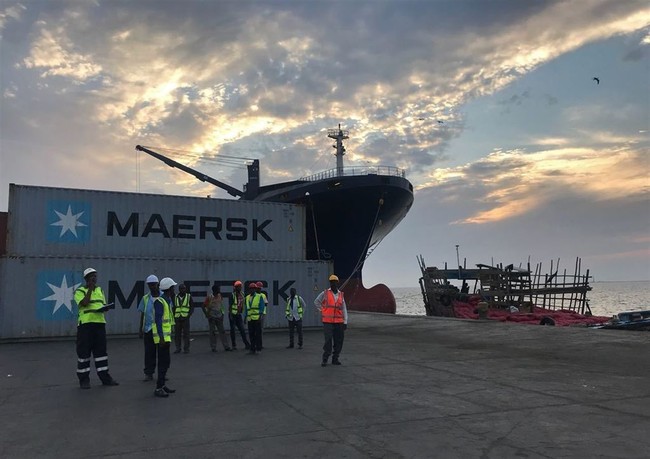
Reports suggest Somaliland has opened an embassy in Jerusalem and that reciprocal Israeli diplomatic steps are expected, signaling a diplomatic alliance with clear strategic value. Those declarations have been made publicly and with deliberate symbolism, and they matter because recognition and embassies are more than ceremony; they are the scaffolding of security partnerships. For the United States, the prospect of basing options at Berbera, a deep-water port, offers a stable foothold to secure trade routes and counter malign actors. Critics who call this risky ignore the alternative: allowing Iran and its proxies to continue unchecked coercion of vital sea lanes.
President Trump was quoted in April saying “We’re looking into it.” That line, vague as it was, signals that Washington is at least considering options that could shift the balance of power in the Red Sea corridor. A U.S. presence in Somaliland would not be an act of adventurism but one of prudence and deterrence. Iran and the Houthis have used asymmetric naval tactics to harass commercial traffic, and basing access in Berbera could blunt those tactics and reassure partners and commercial operators. From a Republican viewpoint, strategic deterrence and clear alignment with friendly states is exactly what smart foreign policy looks like.
Somaliland is not a military giant, nor is it an economic powerhouse, yet small allies matter when they control critical geography. The Horn of Africa sits astride routes that carry enormous volumes of global trade, including energy supplies and manufactured goods bound for Europe and Asia. When a small state chooses the U.S. and Israel over Tehran’s proxies, it creates outsized strategic returns for relatively small investments. That asymmetric leverage should be a core consideration for American policymakers who prioritize secure commerce and regional stability.
Local backlash and regional politics will complicate any formal recognition or basing decisions, and those realities deserve sober attention from U.S. planners. Somalia’s government has already protested Israel’s recognition and will likely push back diplomatically or through regional alignments. Still, the United States has historically made clear-eyed choices to back partners who secure shared interests, even when such choices irritate adversaries. Encouraging Somaliland’s confidence to stand with democratic partners is consistent with that tradition.
Iran and the Houthis have long used chaos and proxy networks to expand influence across the Red Sea and toward the Gulf of Aden, and they are sensitive to any shift that undercuts that strategy. Somaliland’s steps are irritating to Tehran precisely because they reduce the space for Iran’s disruptive activities and empower coalition actors. Viewed through a Republican lens, empowering a pro-American, pro-Israel Somaliland is a practical way to uphold free navigation and to confront Iranian expansionism without costly large-scale deployments.
The situation remains fluid, but the strategic logic is straightforward: bolster partners who provide access, secure shipping lanes, and deter hostile proxies. Somaliland’s outreach to the United States and Israel presents the kind of low-cost, high-impact opportunity the U.S. should seriously consider. Allowing Iran and its allies to monopolize influence over such a critical corridor would be a policy failure; leaning into new partnerships in the Horn of Africa is the smarter, tougher approach.

Add comment