
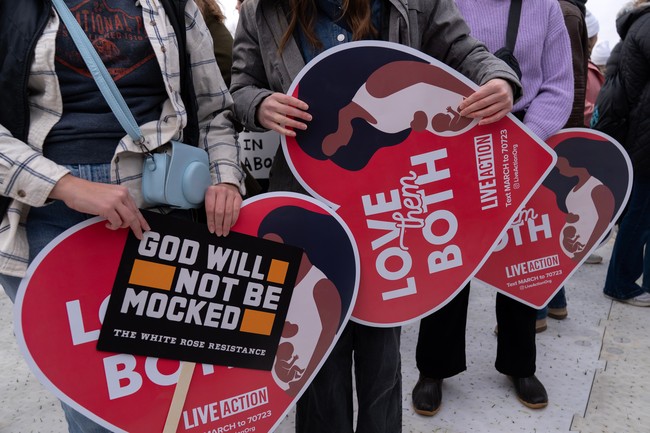
The Supreme Court handed a unanimous 9-0 win to First Choice Women’s Resource Center, stopping a state subpoena that sought private donor records and affirming that aggressive investigations can chill First Amendment associational rights; the decision, written by Justice Neil Gorsuch, pushes back against blue-state tactics that target pro-life centers and reinforces that compelled disclosure of supporters can be a form of suppression.
The Court’s ruling comes late in the 2025 term and landed with unusual unanimity for such a charged issue. That 9-0 vote signals a clear constitutional boundary: government investigatory power does not extend to tactics that threaten the privacy of donors and volunteers for advocacy groups. For pro-life organizations, the ruling is more than a legal win — it’s a rebuke of the playbook some states use to intimidate and destabilize civic associations.
Also from SCOTUS – NJ pro-life pregnancy can proceed with challenge against subpoena that asked for all kinds of records, including donor information. There had been no complaints against the center when the state started requesting the info. Court UNANIMOUSLY found a potential burden on 1st Am rights.
The Supreme Court handed the First Choice pro-life pregnancy center a huge victory Wednesday, ruling that it can challenge a New Jersey investigation seeking its private donor information.
In a 9-0 opinion written by Justice Neil Gorsuch, the high court held that the state attorney general’s 2022 subpoena, sent after the creation of a “Reproductive Rights Strike Force,” was chilling to First Amendment freedoms.
“The First Amendment guarantees all Americans the rights to speak, worship, publish, assemble, and petition their government freely,” the Trump appointee wrote. “Each of these rights necessarily carries with it ‘a corresponding right to associate with others.’ Associational rights carry special significance for political, social, religious, and other minorities, protecting ‘dissident expression’ from marginalization or outright ‘suppression by the majority.’
Justice Gorsuch’s opinion leaned on longstanding precedent about compelled disclosures. The Court has long recognized that forcing groups to reveal affiliations or donor lists can have the same intimidating effect as direct suppression. When government demands private information from associations, the predictable result is a deterrent to speech and participation, particularly for minority or dissenting viewpoints.
This Court has long held that “compelled disclosure of affiliation with groups engaged in advocacy may constitute as effective a restraint on freedom of association” as more direct forms of suppression, […], and thus has repeatedly subjected demands for private donor or member information to heightened First Amendment scrutiny. Throughout, the Court has recognized the critical role privacy plays in preserving protected association, and it has acknowledged that official demands for private donor information “inevitabl[y]” carry with them a “deterrent effect on the exercise of First Amendment rights.”
Gorsuch concluded that First Choice established a present injury to its associational rights and therefore had standing to challenge the subpoena. That standing is crucial: it means advocacy groups do not have to wait until damage is done to fight overbroad or fishing-expedition subpoenas. The decision therefore protects not just this center but other nonprofits that could be targeted for their beliefs and supporters.
This fight is part of a longer saga where state officials in some jurisdictions have tried to use investigations and regulation to sideline pro-life organizations. Those campaigns, often wrapped in rhetoric about transparency or consumer protection, can function as indirect censorship. By demanding detailed records like donor lists, governments risk silencing volunteers and donors who fear exposure and retaliation.
The history includes past cases where the Court already stepped in to safeguard speech rights for pregnancy centers and similar groups. Attempts to force messaging or disclosures from centers in other states sparked litigation and drew constitutional scrutiny. The present ruling builds on that line of decisions by underscoring the special constitutional protection afforded to associational privacy.
For conservative and pro-life groups, the practical consequence is relief from a legal tactic that had become increasingly common. Targeted subpoenas and strike-force style investigations can impose crushing burdens — legal fees, lost staff time, and the chilling of future donations. When government resources are used to pursue political opponents through expansive record demands, the effect is to shrink the civic space for dissenting voices.
This Court opinion also arrives amid renewed scrutiny of federal statutes and investigatory practices that intersect with free speech and assembly. Lawmakers and litigants on both sides will now look to how the decision influences similar probes and whether jurisdictions adjust tactics that risk constitutional violations. Legal advocates for associations will likely use the ruling to push back against intrusive demands elsewhere.
In short, the unanimous opinion reinforces that constitutional protections for speech and association are robust, and that blanket government demands for private records can cross the line into suppression. For grassroots organizations that depend on private donors and volunteers, the message is clear: the Constitution protects their right to associate without fear of state-driven exposure or intimidation.


Add comment