
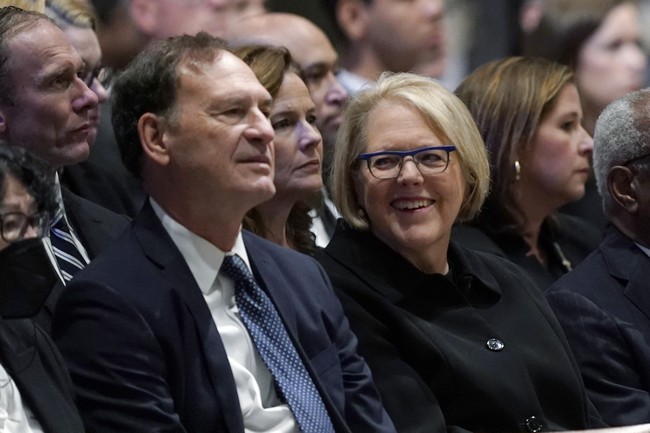
I’ll walk through the NPR retraction episode, explain Nina Totenberg’s apology, report Justice Samuel Alito’s own comment about his plans, place the timeline of the court term, and highlight why the flap matters for media credibility and conservative readers.
The media misstep that briefly announced Justice Samuel Alito’s retirement and was rapidly retracted became a vivid example of sloppy reporting that conservatives have derided for good reason. An established outlet ran a canned line and pulled the trigger without the usual checks, sparking a frenzy that did not age well. That blunder exposed how much some newsrooms rely on habit and assumption rather than verified facts.
NPR’s veteran reporter Nina Totenberg later tried to explain what happened in an apology addressed to Justice Alito, and her account is striking for how small a misunderstanding became a national story. She wrote, “I rushed out of the courtroom after the opinion announcements, and when I realized that the usual rush of folks after a few minutes had not happened, I asked somebody was going on inside, to which the answer was, ‘retirement announcements.’ I didn’t hear the ‘s’ on ‘announcements,’ and I assumed something no reporter should ever do, that you were retiring.” That admission from a long-tenured reporter reads like a confession of habit-led error.
https://x.com/BillMelugin_/status/2071974430645879135
She called the incident “the worst professional mistake of my more than 50 years in journalism,” and added that she was “so, so sorry.” Those words matter because they came from a journalist with decades on the beat, yet they also highlight how experience doesn’t inoculate anyone from falling into sloppy shortcuts. For conservative readers who already distrust legacy media, this episode reinforced long-standing concerns about accuracy and bias.
A month later Justice Alito himself gave a short, unmistakable update on the retirement question, making it clear he’s staying put for now. In an interview he told the Wall Street Journal, “Obviously I’m here for another term”: that plain statement cuts through the noise and sets the record straight. Alito has been on the court since January 2006 and his confirmation and continued service remain central to ongoing judicial debates.
Reports of his end have been greatly exaggerated: “Justice Samuel Alito, who wrote the Supreme Court’s opinion reversing Roe v. Wade, is retiring, the court announced Tuesday.” National Public Radio’s Nina Totenberg wrote those words as the court’s term ended on June 30, stuck them atop a canned story, and pulled the editorial trigger. Her enormous scoop turned out to be empty, and NPR retracted it in minutes. Ms. Totenberg, 82, said she had been confused by an announcement from Chief Justice John Roberts about staff retirements.
“Obviously I’m here for another term,” Justice Alito, 76, says a month later, during a rare summertime visit to his chambers.
The timing matters: the next Supreme Court term begins October 5 and runs through June 30, 2027, which means any retirement talk before then would be premature. Conservatives watching the balance of the Court saw the false report as more than an embarrassment — it was a needless distraction from substantive legal fights. The episode also underscored how quickly misinformation can spread when media institutions rush to publish.
Beyond the immediate mistake, the incident raises tougher questions for large news organizations about process and accountability. How did a simple mishearing turn into a posted headline so fast? How many other stories are built on similar assumptions that never get rechecked? For readers who value judicial stability and predictable interpretation of the law, these are not academic concerns.
For Justice Alito and his allies, the retraction and the apology do not erase the damage done by the initial false report, but Alito’s plain statement about his intentions does close the book on speculation for the near term. The conservative case for skepticism of media narratives was bolstered by the episode, and it reminds voters and observers to demand higher standards from outlets that wield influence. The judiciary remains an institution where clarity and continuity matter, and false headlines shouldn’t be allowed to set the docket.

Add comment