
The United States has announced a major agreement to acquire a controlling interest in vast Venezuelan oil reserves, a move presented as a significant boost to American energy security and a strategic win in the Hemisphere. The deal, described by officials as securing majority control of more than 65 billion barrels, is said to more than double U.S. oil reserves and bring large-scale private investment to Venezuela. Leaders involved framed it as lowering gas prices for Americans, strengthening relations with a key regional partner, and delivering a clear message to global rivals. This article lays out the core claims, the public statements made by top officials, and the implications for energy independence and geopolitics.
Officials say the transaction secures a controlling stake in roughly 65 billion barrels of proven Venezuelan oil reserves, a number presented as transformational for U.S. energy calculations. The administration argues this will expand accessible reserves and add breathing room to domestic supply, which could help stabilize fuel prices at the pump. From the start, this has been framed as an energy-security play tied to broader foreign policy goals, rather than a traditional foreign aid or grant arrangement. If the numbers hold, the scale of resource involved would be historic.
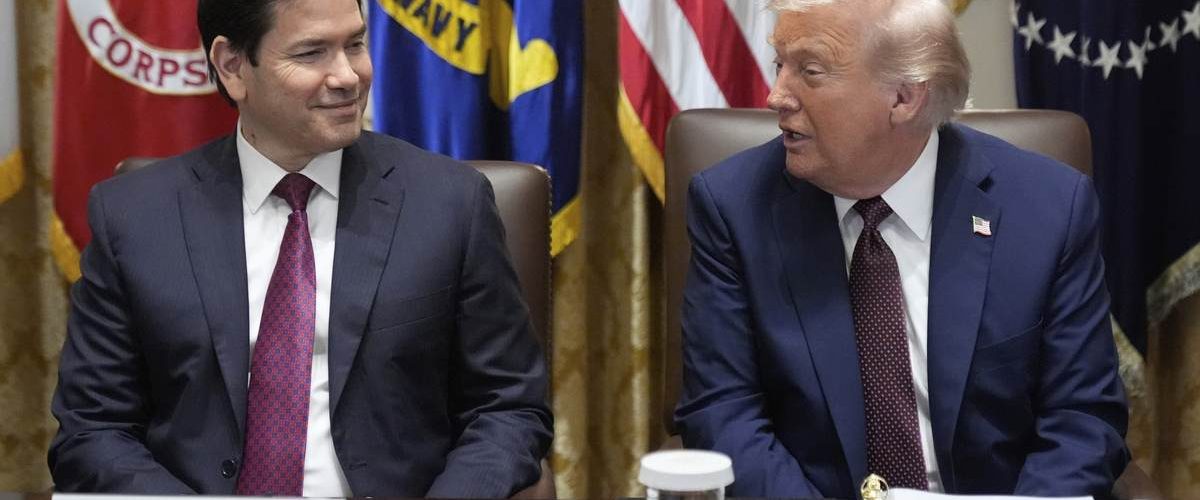
President Trump publicly announced the agreement and described it with emphatic language about scale and impact. He credited Secretary of State Marco Rubio and others for executing the transaction, and stated it occurred with no cost to American taxpayers. The administration emphasizes private-sector partnerships as central to the deal, presenting it as a market-driven redevelopment of underused Venezuelan assets. That framing aims to show wins for workers, investors, and strategic interests in one package.
BREAKING NEWS: The United States of America has just entered into an Agreement with the Country of Venezuela on, THE BIGGEST OIL DEAL IN WORLD HISTORY! At my direction, Secretary of State Marco Rubio, and Secretary of War Pete Hegseth, working closely with Highly Respected Interim President of Venezuela, Delcy Rodriguez, and, through a partnership with private business, have secured majority U.S. control of more than 65 BILLION BARRELS of proven Oil Reserves in Venezuela, at no cost to the American Taxpayer. This Historic Transaction MORE THAN DOUBLES American Oil Reserves, greatly increases our Oil Supply, and will substantially lower Gas Prices for all Americans, long into the future, while helping to continue to set Venezuela on a course toward Tremendous Success and Great Prosperity. This Transaction will greatly strengthen the already growing relationship between Venezuela and the United States! Thank you for your attention to this groundbreaking matter. MAKE AMERICA GREAT AGAIN!
https://x.com/StateDept/status/2093472020704936179
Senator Rubio also spoke in public terms about the deal, calling it a victory for people on both sides of the relationship. His statement framed this as part of an America First foreign policy approach that places regional energy stability at the center of diplomatic efforts. Officials claim the arrangement will unlock nearly $100 billion in private investment and create high-paying jobs tied to infrastructure redevelopment. The pitch is that American leadership and private capital can revive an economy and secure long-term energy supplies simultaneously.
It demonstrates how President Trump’s bold foreign policy is driving America First wins: securing stable reserves and low-cost oil in our Hemisphere and lowering gas prices here at home. For the Venezuelan people, this deal will bring nearly $100 billion in private investment, support thousands of high-paying jobs, and drive the reconstruction of Venezuela’s economy.
A key factual point raised in public commentary is simply how large Venezuela’s resource base is, and why tapping it could change production math if infrastructure is rebuilt. “Venezuela has one of the largest oil reserves in the world, with an estimated 303 billion barrels of crude oil in the ground. That’s about 17% of the world’s supply, according to the U.S. Energy Information Administration. Unlike other parts of the world, where geologists have to search for untapped oil, the reserves under Venezuela’s soil are largely mapped and known, experts say. But because of dilapidated infrastructure, the country only produces about 1% of the world’s oil.”
For Washington, momentum on energy independence is the headline selling point. Supporters point out that developing these reserves under American oversight reduces reliance on distant or adversarial suppliers. They argue it also delivers economic leverage, because boosting Western-aligned production in the Western Hemisphere undercuts the influence of states like Russia, China, and Iran. That geopolitical calculation is central to the public justification for the arrangement.
Practical challenges remain significant, and critics will want details on governance, contracts, local rule of law, and how oversight will be structured. Rebuilding production capacity requires major upgrades across fields, pipelines, and refineries, and those efforts take time and sustained capital. Supporters say private investment will carry much of that cost and risk, while critics will rightly press for transparency on how assets are managed and who benefits. The transaction’s real-world effects will become clearer only as development progresses and returns are documented.
The announcement positions the agreement as a long-range strategic play, not a quick fix, with promises of reduced pump prices and improved bilateral ties. Advocates describe it as a patriotic, results-oriented intervention that leverages American capital and expertise. Skeptics will monitor for whether projected benefits materialize and whether governance arrangements protect both investors and local workers. Either way, the move marks a notable shift in U.S. engagement with a major regional energy holder.
Editor’s Note: Thanks to President Trump and his administration’s bold leadership, we are once again respected on the world stage, and our enemies are being put on notice.

Add comment