
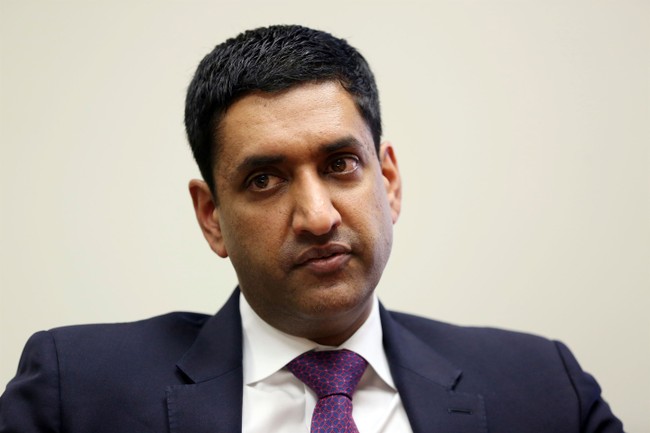
Ro Khanna’s recent social posts and statements have stirred sharp reactions by framing primary defeats as something more than electoral choices, prompting debate about political theater, race, and priorities in the Democratic caucus. This article examines the claims, the reactions, and why the messaging blew up, including Khanna’s comparison of primary losses to “martyrdom” and his broader positioning ahead of a rumored presidential bid.
Once seen as a moderate wonk supported by tech donors, Ro Khanna now finds himself tangled in a series of misfires that look like political calculation gone sideways. His backing of controversial figures and a disputed story about an encounter in the West Bank have only amplified criticism from both sides. Voters and colleagues are asking whether this is earnest conviction or a bid for attention ahead of higher ambitions.
Khanna’s recent post calling out primary defeats as a form of “Black martyrdom” crossed a line for many observers who think the language trivializes real sacrifice. The framing turned a standard electoral loss into a moral indictment of fellow Democrats, and that pushed people to question his motives. For critics, the rhetoric felt performative and out of touch with how primaries work.
To be clear, the two former representatives Khanna mentioned are not deceased; they were defeated in primaries by other Democrats. That is the ordinary function of party politics: voters choose who best represents their district. Treating a primary result like a searing moral tragedy stretches the metaphor and risks alienating ordinary Americans who expect straightforward political debate.
Khanna also invoked fraternity language, referring to colleagues as “my brother,” which read to some as an attempt to claim cultural affinity rather than genuine shared experience. That kind of rhetorical reach can come off as pandering, especially when it follows hot-button controversies. Political authenticity matters, and appearing to borrow someone else’s identity for political points rarely lands well.
The post also mentioned that over 100 Democrats voted for an amendment to zero aid to Israel, and Khanna framed the moment as courageous. But context matters: a larger group voted the other way, and the amendment failed. Calling attention to a minority vote without acknowledging the broader result looks like selective storytelling. Critics noted that highlighting the dissenting block while ignoring the larger outcome undercuts the claim of a decisive moral stand.
Equating losing a primary to actual martyrdom risks offending those who sacrificed or died in real civil rights struggles. Many found the comparison tone-deaf, especially given the very real stakes people have faced in pursuit of justice. Political language should be precise; overblown metaphors can cheapen both the history they invoke and the contemporary debate.
https://x.com/RoKhanna/status/2077495983244521812
Khanna’s critics also pointed out inconsistency: he’s positioned himself as a serious policy voice while engaging in dramatic statements that read like campaign theater. That creates a gap between image and action, and opponents pounced on every misstep. For voters who prize steady leadership, this kind of performative rhetoric raises doubts about motives and temperament.
The two primary winners cited in the exchange did not appear to make race the central factor in their victories, which undercuts the narrative of racially motivated ouster. Saying that Democratic voters or the party produced “black martyrs” implies a malevolent intent that finds little support in the actual voting record. In short, the political mechanics of primaries are far more mundane than Khanna’s moral framing suggests.
Reaction from the defeated figures themselves was brief and pointed, with one noting simply, “The people have spoken.” That line cuts to the heart of democratic politics: accountability and the right of voters to choose new representation. When elected officials or activists accept defeat, it’s part of the system, not a sacrificial saga.
Outside the immediate flap, Khanna faces the broader problem of reconciling high-profile rhetoric with legislative realities. If he plans a national campaign or a higher-profile role, voters will weigh whether his words reflect principled leadership or a knack for attention-grabbing statements. The fallout here may stick with him as he tries to define his political future.
At the moment, the episode crystallizes a larger debate within the party about messaging, priorities, and how to talk about identity without alienating allies or trivializing history. For many conservatives and independents watching, this is further proof that political theater can backfire when it replaces clear policy arguments with melodramatic language.
Today over 100 Democrats voted for the Massie Amendment to zero aid to Israel. My brother @RepBowman & @CoriBush lost their seats for this stand 2 years ago. As a colleague told me, Black martyrdom is normalized in America. Today I want to recognize their courage.


Add comment