
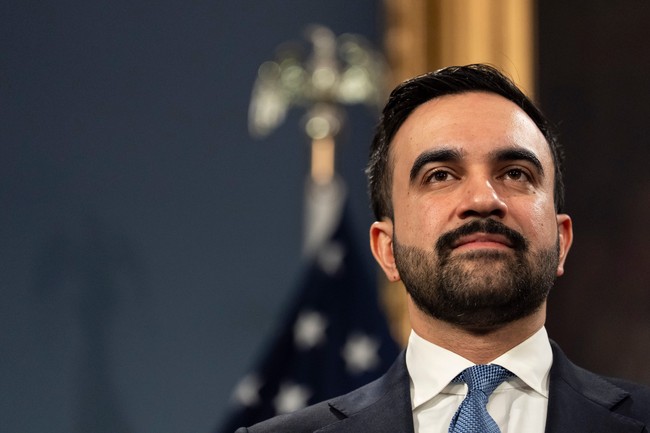
The controversy around New York City Mayor Zohran Mamdani and social media posts liked by his wife over the October 7 attack on Israel raised questions about consistency, accountability, and political messaging during a time of atrocity.
On October 7, Hamas fighters carried out a brutal, coordinated assault across southern Israel that killed many civilians and took hostages. The attack shocked the world, and social media filled with images and instant reactions as the events unfolded in real time.
Among the reactions were social posts that framed the violence as resistance or decolonization, language that many Americans found offensive and dangerous given the scale of civilian suffering. Screenshots circulated showing that the mayor’s wife had liked some of those posts, which prompted sharp criticism from opponents and public scrutiny of the mayor’s response.
The next day, Mayor Mamdani publicly condemned protesters in New York whom he said were “making light” of the killings. That condemnation was clear and direct, and it aligned with a mainstream reaction that violence against civilians is unacceptable regardless of political context. The mayor insisted his condemnation stood, even as questions lingered about personal social media interactions tied to his immediate family.
“Any demonstration that makes light of the murder of civilians or celebrates the killing of innocent people is wrong and has no place in our city.”
Critics noted the apparent mismatch between the mayor’s public stance and the social media activity of someone close to him, and they argued the difference matters. For public officials, optics are not minor; they shape trust and signal whether those in power understand the stakes when terrorists slaughter innocents and take hostages.
Some of the posts in question came from a left-leaning activist group and used imagery taken from footage of militants breaching border defenses. One such caption framed the violence as a blow against “apartheid” and celebrated the breach as part of a wider liberation struggle, language that many Americans equate with support for attacks on civilians rather than a call for peaceful redress of grievances.
“Breaking the walls of apartheid and military occupation. Resisting apartheid since 1948. Systemic change for collective liberation.”
Those posts were online while the massacres were still happening: people were killed at a music festival, families were attacked in their homes, and hostages were dragged into Gaza. For Republicans and many independents, celebrating such an assault is beyond the pale and demands a firm response from city leadership, not equivocation.
Mamdani and his office said the mayor is not responsible for his wife’s social media and that they maintain separate online accounts. A spokesperson reiterated the mayor’s condemnation of the October 7 attack and the killing of civilians, a position the mayor repeated in public statements. Still, the episode fed into a larger narrative about political elites and mixed messages during crises.
“The mayor has been clear and consistent in condemning the horrific Hamas terrorist attack on October 7 and the killing of civilians.”
Republicans have used incidents like this to press for clearer standards of accountability in public life and to argue that words and online interactions reflect core values. Voters want leaders who will denounce terrorism outright and who will ensure the safety of citizens, not leaders who tolerate or excuse rhetoric that celebrates violence.
This controversy also highlights how social media amplifies and distorts events in real time, creating flashpoints that can define political careers and municipal reputations. When images and slogans spread quickly, officials must respond swiftly and consistently to avoid being painted as out of step with basic decency and national security concerns.
The situation underscores a broader political divide over how to talk about conflicts abroad and how to distinguish legitimate protest from praise for murder. For law-and-order conservatives and many mainstream Americans, there is a line between criticizing state policies and applauding acts of mass violence that cross it decisively.
Public accountability in this case centered on whether the mayor’s condemnations were sufficient and whether leadership in a major city must reflect a tighter alignment between private circles and public responsibilities. The debate continues over how much private social media activity should influence public trust in elected officials.



Add comment