
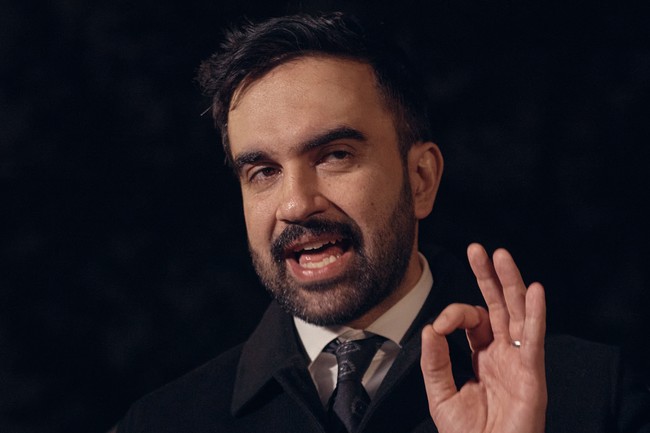
I’ll examine Mayor Zohran Mamdani’s education plan, show how New York City’s school system spends its money, compare per-pupil costs with outcomes, highlight accountability gaps between public and nonpublic options, and argue why targeted reforms—not just more centralized control—matter for families.
Mamdani’s Socialist Education Agenda Will Further Harm NYC Public School Students
Zohran Mamdani’s stated education goals lean heavily on slogans such as “public schools are fully funded with equally distributed resources” and “free childcare for every New Yorker aged 6 weeks to 5 years.” Those lines sound sweeping and compassionate, but rhetoric does not fix structural problems inside the system that already receives massive funding. New programs layered on top of a large, centralized bureaucracy often deepen existing inefficiencies instead of solving them.
New York City Public Schools is the largest school district in the nation with a budget that dwarfs most state systems. In the 2025-26 school year, NYCPS will spend $42.8 billion, yet only $16.6 billion—less than 40 percent—goes directly to “K-12 Schools and Instruction.” Those budget choices matter because how money is allocated affects classroom conditions, staffing, and student supports.
A substantial share of that $42.8 billion is tied up in obligations that don’t directly improve day-to-day learning: about $8.5 billion for employee benefits and pensions and nearly $4 billion for debt payments. When a system spends heavily on long-term liabilities and central administrative layers, less flexibility exists for principals and teachers to respond to local needs. That disconnect fuels frustration among parents who expect dollars to show up in classrooms, not only in accounting ledgers.
Enrollment patterns underscore the limited alternatives many families face. In 2024-25 nearly one million students attended NYC schools, with roughly 1,597 public schools serving about 900,000 students, compared to 281 charter schools with under 150,000 students. Those numbers reflect a near-monopoly effect: most families have little practical choice, and when a single system dominates, accountability becomes diluted because parents cannot easily take their children elsewhere.
High spending per student has not translated into high outcomes. Last year the NYC Department of Education spent about $42,168 per student, a steep increase over five years, yet student achievement and safety measures lag. For example, only 23 percent of NYC eighth graders were proficient in math in 2024, and fewer than 30 percent were proficient in reading, according to national assessment data. These are not abstract statistics; they represent real students not reaching grade-level expectations.
Safety and school climate compound the academic issues. A 2024 survey found more than half of NYC students reported harassment, bullying, and intimidation by classmates was common, and two in 10 students said they do not feel safe most days in school. Families want both rigorous instruction and secure environments; a well-funded bureaucracy that fails to deliver either raises questions about priorities and management.
Advocates for more centralized funding and control argue that increasing resources and oversight will produce equity, but centralization often reduces local accountability. Government-run schools answer to complex layers of leaders and boards, not directly to the families who depend on them. By contrast, private, parochial, and charter schools answer to parents and donors who can withdraw support when standards slip, creating clearer incentives to perform.
School choice remains popular among New Yorkers in concept, even if practical options are limited. Many parents favor education savings accounts and wider eligibility for alternatives because they see choice as a way to hold systems accountable and tailor instruction to children’s needs. When families can exercise real options, providers must compete on quality and safety rather than relying on monopolistic enrollment.
Consider the cost comparison: average private school tuition in the state is roughly $22,380, which is about half of what NYCPS spends per pupil. That gap raises questions about efficiency and deployment of funds inside a sprawling public system. If justice means delivering better outcomes for every child, policymakers should focus on aligning incentives, increasing transparency, and expanding genuine options for families rather than layering more centralized programs on top of a system that struggles to translate resources into results.
Add comment