
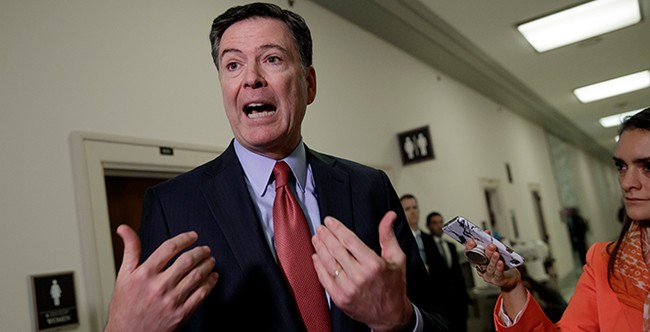
The Department of Justice’s handling of the grand jury process in the James Comey case has been flagged by a magistrate judge, who ordered the government to hand over grand jury materials to the defense and suggested the proceedings may have been mishandled enough to threaten the indictment. This ruling centers on evidence from years-old warrants, questions about what was seized, and potentially misleading statements to the grand jury by the lead prosecutor, all of which the court says deserve defense scrutiny. The DOJ has asked for a stay while it appeals the order, so the case is far from resolved. The Republican perspective here sees this as a serious check on prosecutorial overreach and a necessary protection of defendants’ rights.
Time was ticking on the statute of limitations for statements James Comey made to Congress in 2020, statements the DOJ alleges were false and obstructed a congressional proceeding. Interim U.S. Attorney Lindsey Halligan secured an indictment in late September, and Comey pleaded not guilty to both counts. Defense counsel moved to dismiss the case on several grounds, prompting closer judicial review of what happened before the grand jury.
Magistrate Judge William Fitzpatrick issued an order compelling the government to turn over all grand jury materials to the defense, calling the DOJ’s activity during the secret proceedings “highly unusual.” The judge sharply criticized the government’s handling of evidence presented to grand jurors and flagged possible misstatements by the lead prosecutor. Those comments suggest the court sees more than mere procedural hiccups; it sees potential misconduct that must be explored.
A judge on Monday ordered the Department of Justice to hand over grand jury material to former FBI Director James Comey, an unusual move that the judge said was necessary because of the department’s “highly unusual” activity during the secret grand jury proceedings.
Magistrate Judge William Fitzpatrick scolded the DOJ in the order for what he said was a glaring mishandling of evidence presented to grand jurors and possible misstatements by the case’s lead prosecutor, Lindsey Halligan.
“The Court is finding that the government’s actions in this case — whether purposeful, reckless, or negligent — raise genuine issues of misconduct, are inextricably linked to the government’s grand jury presentation, and deserve to be fully explored by the defense,” Fitzpatrick wrote.
The judge also warned that the grand jury proceedings may have been tainted beyond repair and could cause the court to dismiss the indictment.
The core concern is that Halligan presented evidence to the grand jury derived from warrants executed years earlier, during a different investigation. The judge found reason to question whether those older warrants were executed in a way that complied with the Fourth Amendment and the issuing court’s orders. The defense now has a path to probe whether information seized in 2019 and 2020 went beyond what the warrants authorized.
The grand jury issue stems from evidence Halligan presented to the grand jury that the judge said improperly stemmed from years-old warrants.
…
When presenting the case to the grand jury, Halligan relied on evidence gathered from 2019 and 2020 warrants that were part of a past investigation while, according to the judge, brushing off rules surrounding how investigators and prosecutors are permitted to review and seize information obtained through the warrants.
Fitzpatrick’s memorandum lays out specific findings that give the defense a foothold to challenge the government’s methods. He identified a reasonable basis to contest whether the Richman Warrants were executed lawfully, whether the government seized information beyond the warrants’ scope, and whether the DOJ lawfully re-searched those materials in 2025. The judge also said the facts leave room to question whether government conduct was willful or recklessly indifferent to legal limits.
Based on the foregoing, the Court makes the following findings:
First, the facts establish a reasonable basis for the defense to challenge whether the Richman Warrants were executed in a manner consistent with the Fourth Amendment and the orders of the issuing court.
Second, the facts establish a reasonable basis for the defense to challenge whether the government exceeded the scope of the Richman Warrants in 2019 and 2020 by seizing and preserving information that was beyond the scope of the warrants, that is, information that did not constitute evidence of violations of either 18 U.S.C. § 641 or § 793.
Third, the facts establish a reasonable basis for the defense to challenge whether the government had the lawful authority to search the Richman materials anew in 2025.
Fourth, the facts establish a reasonable basis for the defense to challenge whether the government’s 2025 seizure of the Richman materials included information beyond the scope of the original warrants.
Fifth, the nature and circumstances surrounding the government’s potential violations of the Fourth Amendment and court orders establish a reasonable basis to question whether the government’s conduct was willful or in reckless disregard of the law.
The ruling also points to concerns about statements Halligan made to the grand jury during the presentation that produced the indictment. The court said these issues could form grounds to dismiss the indictment, though it stopped short of deciding whether dismissal is warranted at this stage. For now, the immediate practical effect is the defense will get access to grand jury materials so it can evaluate those claims.
Does this mean the case against Comey is sunk? Not necessarily. What it does mean is the government must let the defense inspect the grand jury materials so those lawyers can determine whether misconduct occurred and whether it tainted the proceedings. The DOJ has already filed an emergency motion to stay the order while it seeks review, so the fight over these materials and the indictment is ongoing.

Add comment