
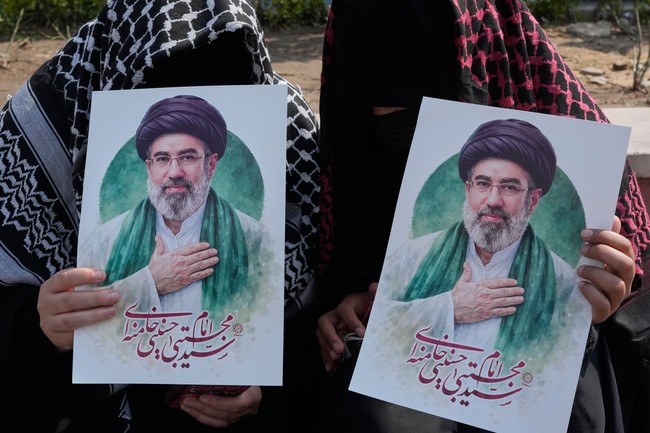
The Iran delegation headed to Islamabad has refused direct talks with U.S. negotiators, set firm preconditions including an end to the U.S. blockade of Iranian ports, and signaled it will not accept American demands; U.S. envoys Steve Witkoff and Jared Kushner were sent to hear Iran out while the administration holds back higher-level players. This standoff keeps momentum from a ceasefire or any meaningful deal, sharpens the political stakes for the Trump team, and underscores Tehran’s intent to play for time while appealing to its domestic audience. Below, I walk through what happened, who said what, why the Iranian stance matters, and how this ties back to the political choices facing the president.
Istanbul-style diplomacy has given way to a standoff in Islamabad, where Tehran insists on talking but not meeting face to face with Americans. White House Press Secretary Karoline Leavitt said, “So Steve and Jared will be heading to Pakistan tomorrow to hear the Iranians out. We hope progress will be made, and we hope that positive developments will come from this meeting. Uh, and we’ll see. The president, the vice president, Secretary of State will be waiting here in the United States for updates. The vice president is on standby, willing to dispatch to Pakistan if he feels it’s a necessary use of his time.” That careful posture signals the administration is prepared but circumspect about expectations.
The Iranian team has publicly rejected in-person negotiations and says it will not yield to American demands. “Principally, Iranian side will not accept maximalist demands,” said a member of the Iranian team in Islamabad. Tehran has layered those diplomatic refusals over a set of political preconditions, chief among them an insistence that the U.S. lift what Iran calls a blockade of its ports before any face-to-face meetings can happen.
The demand to end the blockade reads less like a bargaining position and more like a political message aimed at domestic audiences and regional allies. Iran’s leadership appears to be balancing the need to look resolute at home with the risk of escalating military pressure from U.S. forces, and their calculus points toward endurance rather than concession. That posture reduces the chance of a quick deal and increases pressure on American negotiators to either hold firm or accept a worse bargain.
Back in Washington, the optics are straightforward: the U.S. sent senior envoys but not a Cabinet-level or vice presidential delegation, which signals a lack of expectation for dramatic breakthroughs. My earlier assessment remains relevant: “Bottom line:” No one on the U.S. team can make a deal. Anything offered by the Iranians has to come back to Washington. No one on the Iranian team can make a deal; in fact, it is doubtful that they can offer any concessions on Trump’s four key demands and control of the Strait of Hormuz. The decision not to send Vice President Vance indicates there are no expectations of a breakthrough. The Iranians asking for talks without any intention of giving Trump what he wants is the same strategy Nicolás Maduro used to such great success.
That passage deserves attention because it highlights the structural limits of these negotiations: field envoys can gather positions, but any real concession or acceptance must be decided in Washington. Tehran knows this and is using time and posture as tools, betting the U.S. political clock and public patience will tilt in its favor. From a Republican viewpoint, that is precisely the kind of pressure Trump should resist rather than reward with premature concessions.
Political theater and propaganda also shape Tehran’s public posture, especially as internal stability is a prime concern for the regime. The leadership must avoid giving protesters or armed proxies a reason to question their strength, so stiff rhetoric and symbolic demands play well at home even as they make compromises in the background harder. That dynamic reduces transparency and increases the risk that talks will be performative rather than productive.
Meanwhile, the broader strategic picture has not improved: control of the Strait of Hormuz and Iran’s proxy activities remain unresolved. President Trump set a clear line by demanding “unconditional surrender,” and Iran has now called. The ball is now in Trump’s court: cave or fight. For Republicans who prioritize strength and clear red lines, the choice is obvious—do not accept symbolic wins that fail to secure strategic objectives.
With both sides digging in, Islamabad looks like a place to exchange positions rather than to forge an agreement. That reality means Washington’s posture matters as much as the talking points delivered in Pakistan; signaling resolve, keeping high-level options on the table, and refusing to be rushed into concessions are tactical plays that track with the administration’s stated goals. The coming days will test whether American strategy matches American rhetoric, and whether Tehran’s gambit of shaking nerves but avoiding decisive change will pay off politically and militarily.

Add comment