
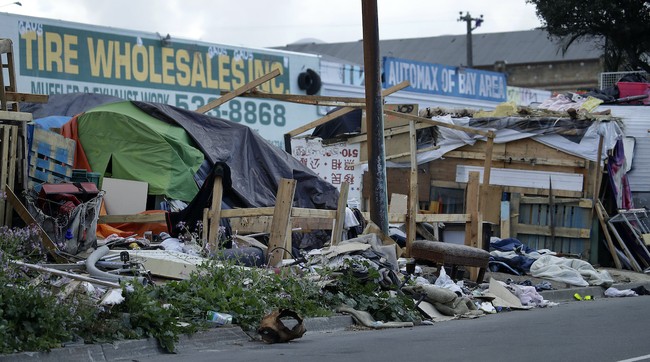
Nithya Raman, a Los Angeles City Councilmember running for mayor, found herself confronted by a staged homeless encampment placed by an advocacy group, sparking a debate about personal boundaries, public safety, and political theater; this article examines the stunt, Raman’s reaction, the organizer’s defense, and the broader political context shaping the controversy.
Los Angeles District 4 Councilwoman Nithya Raman, who advocates progressive policies, was surprised when activists from Safe Cities USA set up a mock homeless encampment outside her Silver Lake home over Memorial Day weekend. The group intended the stunt as a direct demonstration of the daily reality many Angelenos face, forcing a mayoral campaign to reckon with homelessness instead of policy talking points. For opponents, the episode highlights a gap between Raman’s rhetoric and the lived experience of residents who endure encampments and safety problems across the city.
Raman’s reaction was widely publicized; she expressed concern for her family and said she was upset that her children might be exposed to the scene. Her tone suggested that the campaign had taken an unexpected and personal turn, and critics seized on her discomfort as evidence of political double standards. Opponents argue that elected officials who support permissive encampment policies should not be surprised when activists dramatize the consequences for public audiences.
“I have two little kids. They didn’t see it, luckily, this morning. But… but, you know, I feel badly that I’m even subjecting them to that at all. But it has definitely… this has gone far beyond what I was expecting the campaign to be about.”
Safe Cities USA defended the demonstration as political satire and a form of protest designed to make a point about the everyday realities of homelessness, addiction, and public disorder. An organizer told reporters that bringing a staged encampment to Raman’s doorstep was intended so she could see what others are living with daily. For many residents fed up with crime and deteriorating quality of life, the stunt was a blunt wake-up call rather than a mere provocation.
The organizer behind viral videos showing fake homeless encampments outside Los Angeles mayoral candidate Nithya Raman’s home is speaking out, calling the effort political satire, while Raman’s campaign says the stunt crossed a line into her personal space.
The videos, widely circulated on social media and viewed hundreds of thousands of times, show what appear to be staged homeless encampments placed outside Raman’s home, sparking debate over political protest and personal boundaries.
Critics noted that Raman lives in a well-off neighborhood where visible encampments are less common, and they questioned whether she truly understands the daily struggles of other neighborhoods in her own council district. Detractors pointed to a prior town hall where frustrated parents raised concerns about encampments near schools, and allege Raman’s response downplayed their fears. For Republicans and others focused on public safety, this episode reinforced the view that leadership should prioritize protecting families and neighborhoods over ideological posturing.
Supporters of the stunt argue it was necessary because traditional channels failed to force a serious conversation about homelessness and public safety. The group also circulated posters mocking a proposal attributed to Raman to ban backyard barbecues on red flag fire days, aiming to underscore what they see as out-of-touch policymaking. Those flyers, meant to rile voters, reflected broad frustration with perceived city mismanagement and the sense that residents have been ignored for too long.
“We brought it to her doorstep so she can see what other people are going through.”
Videos of town halls and protests show constituents booing and expressing anger at a leader they feel is not protecting their children or neighborhood schools. Those reactions, captured on camera, became fodder for social media and campaign messaging on all sides. For many conservatives, the episode underlines the belief that handling homelessness requires accountability, enforcement, and a focus on public safety rather than policies that appear permissive of encampments.
Safe Cities USA insists its campaign is grassroots and independent, claiming support from residents, business owners, and former Angelenos alarmed by the city’s trajectory. The group told outlets that both Raman and other candidates should be held to account for what it views as misleading claims about policy impacts. Their approach—disruptive and theatrical—aims to raise the political cost of inaction and to shift the debate toward immediate quality-of-life solutions.
Raman’s critics say this moment is revealing: political leaders who champion controversial policies should expect scrutiny and pressure from voters and activists alike. As the mayoral race heats up, episodes like this one are likely to be replayed and repurposed by campaigns seeking to connect with voters worried about safety, sanitation, and schools. Those who support stronger enforcement and neighborhood protections see the stunt as justified messaging, while others will condemn it as an invasion of privacy.
The confrontation at Raman’s doorstep has already reshaped local headlines and moved public conversation, with implications for candidates across the spectrum. Whatever one thinks of the tactic, the incident underscores the political stakes of homelessness in Los Angeles and the willingness of some groups to use dramatic protest to demand attention.
https://x.com/WellsJorda89710/status/2054540425445216447
Safe Cities USA’s campaign shows no immediate sign of slowing, and activists have followed the encampment demonstration with provocative flyers and other actions in Raman’s district. As the debate plays out, voters will weigh who best understands both the moral and practical responsibilities of city leadership.



Add comment