
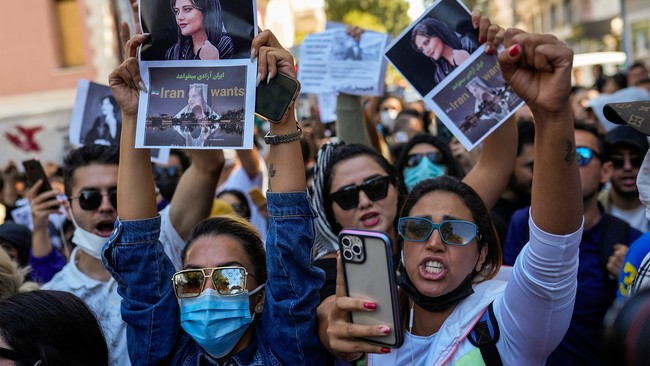
A leaked Iranian government survey reveals near-total public anger and collapsing trust in the clerical regime, and analysts warn the unrest, economic collapse, and environmental disasters have pushed Iran toward a dangerous breaking point. This article lays out the survey’s key findings, expert reactions, the limits Iran’s people face in resisting a repressive state, and provocative proposals floated about arming or aiding dissidents abroad.
The leaked poll, reportedly commissioned by Tehran’s own apparatus, shows staggering dissatisfaction across broad swaths of Iranian society. Everyday hardships—food insecurity, power cuts, water shortages, and terrible air quality—have compounded political grievances and fed a nationwide sense of hopelessness. That combination of economic pain and political repression is eroding whatever legitimacy the clerical rulers once had.
The confidential study “records anger levels above 63%, well beyond the highest rate Gallup has ever recorded anywhere in the world,” according to one expert quoted in the original coverage, and the report finds that nearly 92% of respondents express dissatisfaction with the country’s current state. Those figures are hard to overstate: when a regime’s own pollsters report that kind of rejection, the cracks run deep. Public anger is not just a slogan in the streets anymore; it shows up in hard numbers gathered for officials.
A leaked confidential survey by the Iranian Students Polling Agency (ISPA) has revealed a staggering level of public discontent inside Iran, with nearly 92% of respondents expressing dissatisfaction with the country’s current state. The report, first disclosed by Rouydad24 on November 12, shows an unprecedented collapse in public trust toward the ruling establishment.
According to the outlet, the findings go far beyond criticism of Masoud Pezeshkian’s government—they reflect “the public’s broader perception of the ruling system.” The data underscores a growing crisis of legitimacy that has shaken the foundations of the clerical regime.
Over the past year, Iran has been gripped by worsening economic collapse, systematic human rights abuses, brutal crackdowns, and deepening environmental disasters—from severe water shortages and power cuts to record air pollution. Together, these crises have fueled nationwide anger and resentment, leaving the regime more isolated than ever.
Regional analysts and policy veterans point out that the document should force a reevaluation of what might come next inside Iran. One comment made clear that even government-backed polling may understate the anger swelling among citizens and that many Iranians now struggle to secure basic food and services. When hunger and hopelessness are widespread, the political balance can shift in unpredictable ways, especially if repression keeps intensifying.
Miad Maleki, a senior fellow at the Foundation for Defense of Democracies, told Fox News Digital that the report should prompt a fresh assessment of the potential for political upheaval inside Iran.
“If anything, this research understates the depth of Iranians’ rage,” Maleki said. “And that is what makes it remarkable: even a survey prepared for the regime’s own president, by its own pollsters, records anger levels above 63%, well beyond the highest rate Gallup has ever recorded anywhere in the world, alongside 81% struggling to put food on the table and a majority expressing hopelessness.”
Still, the harsh truth is that ordinary Iranians face severe barriers to mounting successful resistance. The state controls the security forces, maintains a tight grip on arms and organization, and has proven willing to use brutality to crush dissent. Popular uprisings in autocracies can succeed, but they usually require sustained networks, outside pressure, or splits inside the regime—things Iran’s opposition often lacks on its own.
That reality has led some commentators to float unusual ideas about what allies abroad might do to tilt the balance. One historical example often cited is the FP-45 Liberator pistol, an inexpensive, single-shot weapon produced during World War II and intended to help resistance fighters seize enemy arms. Supporters of such thinking argue that supplying simple tools—rather than full-scale military aid—could empower citizens to defend themselves and wrest control from tyrants, though such proposals carry serious moral and strategic risks.
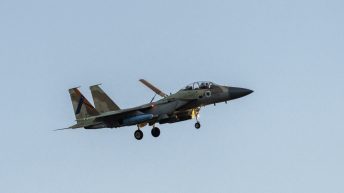
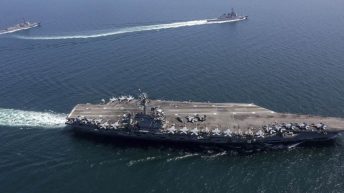
Policy debates now center on whether external actors should take active steps that could enable internal change, and whether the potential benefits outweigh the likely fallout. Any U.S. or allied measures would have to grapple with escalation risks, regional blowback, and the precedent set by intervening in a sovereign nation’s domestic struggle. Those are not trivial calculations, and defenders of restraint warn about unintended consequences if actions are poorly planned.
What the poll makes unmistakable is that the current system in Tehran faces a crisis of legitimacy it cannot paper over with propaganda alone. People are angry, many cannot afford basics, and environmental calamities pile onto political grievances. Whether that discontent translates into durable change depends on forces inside Iran and the choices of outside powers watching closely.

Add comment