
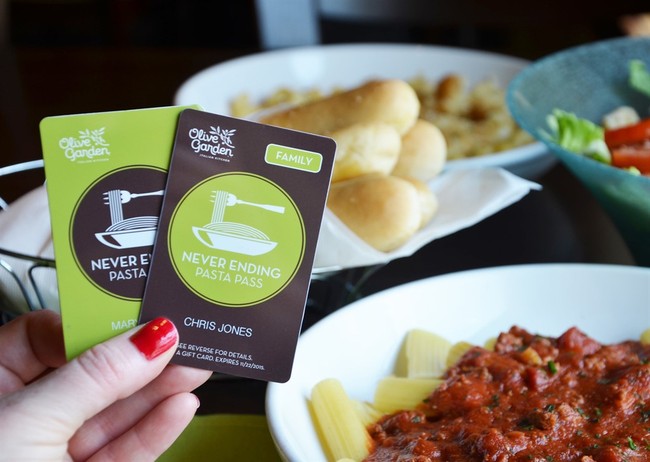
Olive Garden’s recent promotion for its Never-Ending Pasta Pass turned into an unexpected illustration of a point Republicans have been making about voter ID: businesses demand photo identification for exclusive offers, so protecting elections with valid ID requirements should not be controversial. The chain’s clear rule that only the passholder may use the benefit and must present photo ID sparked a tidal wave of social-media reactions, jokes, and political comparisons that fed into calls for the SAVE America Act and broader election-security measures. What started as a marketing snafu became a tidy example for proponents of ID rules and a reminder that common-sense identity checks are already standard in many parts of life. The episode also revealed how quickly everyday policies can be reframed into political arguments when they touch on fairness and personal responsibility.
Olive Garden announced the sale of its Never-Ending Pasta Passes and told customers the promotion began at 2 PM ET. That timing detail set off a scramble for a limited number of passes, and people quickly turned to the company’s social channels with practical questions about how the pass works. The promotion offered access for 13 weeks to unlimited dine-in pasta, unlimited breadsticks, and the option to mix and match protein toppings and sauces for a set price. The way the chain handled eligibility and redemption turned out to be the real story, not the promotion itself.
One curious customer wanted to know whether a single pass would feed an entire table or whether the benefit was strictly personal. That question was posted publicly, and Olive Garden answered without hesitation: the pass is for the passholder alone and must be presented with valid photo ID to be used. The clarification left no wiggle room, and it immediately invited political interpretations. The company’s enforcement of one-person-per-pass made an everyday retail rule look like a lesson in practical identity verification.
Question.
https://x.com/olivegarden/status/2077457015958323402
Are you able to order pasta for family using this pasta pass or is that exclusively for the person with the card at the table.
I dont know about it you, but it’d feel really weird with just one person having unlimited pasta while everyone awkwardly waits.
Social-media users had fun. Some reactions read like punchlines: “PUT OLIVE GARDEN IN CHARGE OF OUR ELECTIONS!!!” and “A pasta pass at Olive Garden comes with more stringent ID requirements than Democrats want for our elections. You can’t make this stuff up!” Such comments turned a restaurant-policy clarification into political fodder almost instantly. Conservative voices used the episode to argue that if a national restaurant chain can require photo ID for a limited product, lawmakers can and should require photo ID for voting.
Prominent commentators joined the chorus and pointed to the moment as plain common sense. The comparison is simple: identity checks prevent abuse of perks and ensure fairness, whether you’re redeeming a promotional pass or casting a ballot. For Republicans, the Olive Garden answer validated years of arguing that sensible safeguards do not deny rights but protect systems from fraud and misuse. The optics of a nationwide chain insisting on ID for a limited-time deal were irresistible to those who want clearer voter verification rules.
Other observers asked whether lawmakers were paying attention. The argument made its way into conversations about the SAVE America Act, a proposed piece of legislation aimed at standardizing identity verification for voting. Supporters say the bill would harmonize security measures across states and restore trust in the process, while opponents argue it creates barriers. The Olive Garden incident steered the debate toward the practical side: everyday institutions already require ID in many situations, so extending similar standards to elections is not radical by ordinary standards.
Critics pushed back, insisting that shopping and voting are different activities with different stakes and legal protections. Those critics raised concerns about access, especially for people who may struggle to obtain photo identification. Proponents countered that safeguards can be implemented with reasonable accommodations and that the goal is to preserve the integrity of the franchise. The back-and-forth reflects a deeper political split about balancing access with security, and the pasta-pass episode sharpened the messaging for those on the security side.
Meanwhile, Twitter-style reactions, pundit tweets, and meme replies kept the story alive long after the promotion sold out. People joked about someone showing up to vote and being asked for a breadstick. Others made sharper points about legislative priorities, urging senators to consider the optics of a country that treats limited-time restaurant perks more strictly than its elections. The conversation showed how a simple business policy can bleed into broader debates about trust and governance.
At its core, the Olive Garden moment was a reminder that identity verification is already part of everyday life and that insisting on it for limited privileges is familiar to most Americans. For Republican advocates of voter-ID laws, the episode was a neat, relatable example to use in public debate: if a national chain can verify who gets unlimited pasta, a democracy can verify who casts a ballot. The comparison resonated because it framed the policy question in plain, tangible terms people encounter in their daily routines.
Reactions ranged from amusement to pointed political commentary, but the takeaway for many conservatives was straightforward: common-sense identity checks are not out-of-step with American life. Whether that view will translate into legislative action remains to be seen, but the Olive Garden incident provided a vivid anecdote for the arguments being made about election integrity and the SAVE America Act.



Add comment