
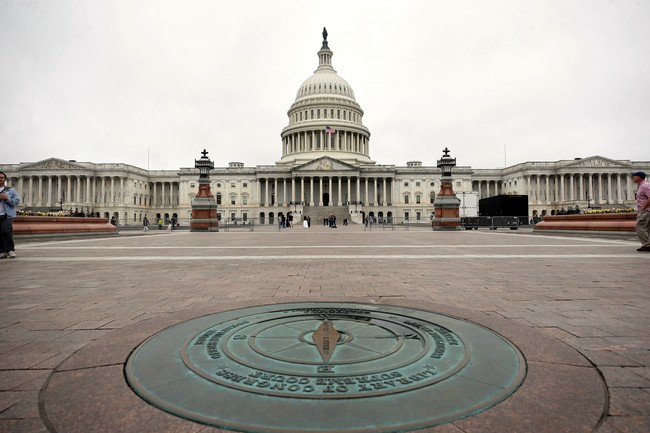
The House left for recess without passing a short-term extension of Section 702 of the Foreign Intelligence Surveillance Act, setting the stage for the warrantless collection authority to lapse, sparking a fierce partisan reaction tied to President Trump’s recent appointment of Bill Pulte as acting director of national intelligence.
The vote in the House failed, leaving Section 702 set to expire Friday unless lawmakers act when they return. Section 702 authorizes intelligence agencies to collect certain communications targeting non‑U.S. persons abroad without a traditional warrant, a tool proponents say is vital to counterterrorism and foreign espionage. Opponents argue the program invites abuse and encroaches on civil liberties, a debate that has roiled Capitol Hill for years.
The roll call ended 198-218 against the short extension, with a handful of cross‑party votes on each side. That margin signaled a fractured chamber where rank-and-file members from both parties remain unconvinced. Republicans and Democrats traded blame after the outcome, exposing fractures over how to balance security and reform.
Anger on the Democratic side intensified after President Trump tapped Bill Pulte to replace Tulsi Gabbard as acting director of national intelligence, a move that was controversial in its own right. Pulte drew ire because he had previously referred several prominent officials to the Justice Department for alleged mortgage-related misconduct. For many Democrats, the appointment colored their posture on intelligence matters and fueled the resistance to the short-term FISA fix.
The 702 program has long been criticized for scope and potential for misuse. High-profile episodes like the Carter Page investigations showed the systems around surveillance could be flawed, and critics point to those cases when arguing for tighter oversight. Defenders counter that the most essential counterterrorism tools would be handicapped if the authority expires, especially during a summer of large public events.
https://x.com/EricLDaugh/status/2065084790986924523
House Speaker Mike Johnson defended his decision not to force another immediate vote, noting a three-year reauthorization had already been passed by the House and sat pending elsewhere. He framed the short-term clean extension as a commonsense stopgap and expressed frustration that Democrats opposed it. His exact words were: “We passed a three-year extension on April 29. It is sitting in the hopper over there as a live bill. Just now, I attempted to pass a short-term extension for three weeks, clean extension, no changes to the law, just to make sure that the people are not subjected to great harm, and the Democrats — 199 of them — voted against it and applauded themselves as they left the building.”
Johnson also pointed out the procedural hurdle: he would have needed a two-thirds majority to use a fast-track process for the short-term measure. That requirement made the path forward narrow, and it underscored broader GOP divides where many conservatives still press for reforms to the intelligence authorities. Within the Republican conference, a vocal contingent continues to demand changes before granting long-term reauthorization.
On the floor and in statements, members on both sides leaned into stark warnings. Some Republicans argued Democrats were prioritizing politics over public safety, while several Democrats said they could not rubber-stamp surveillance authorities they believe are ripe for abuse. The debate became as much about personnel and principle as it was about statutory language.
Republican voices pushed back by recalling past abuses under the prior administration and urging caution before handing unchecked powers back to agencies. Some GOP critics described previous use of surveillance tools as evidence that tougher guardrails and accountability mechanisms are necessary. That position appealed to libertarian-leaning and civil liberties-minded conservatives who want reforms tied to any extension.
Meanwhile, other members highlighted operational risks posed by a lapse, stressing potential gaps in intelligence collection that could impair monitoring of foreign threats. Those concerns were amplified by warnings about major gatherings and ongoing global tensions, which supporters say require uninterrupted capabilities. Lawmakers must weigh those operational arguments against persistent calls for transparency.
With Section 702 due to expire, the clock is now on a return to the Capitol where negotiators will have to reconcile competing demands. Some representatives want a clean, temporary extension to buy time for a comprehensive deal. Others insist any reauthorization include meaningful reforms to prevent overreach and strengthen privacy protections for Americans. The outcome will hinge on whether leadership can bridge those divides before authorities lapse or in the next round of votes.
As the debate continues, the intersection of national security, civil liberties, and personnel politics will stay front and center. Members on all sides are publicly staking positions that reflect broader philosophies about government power and oversight. The next legislative steps will reveal whether compromise is possible or whether the impasse deepens when Congress reconvenes.


Add comment