
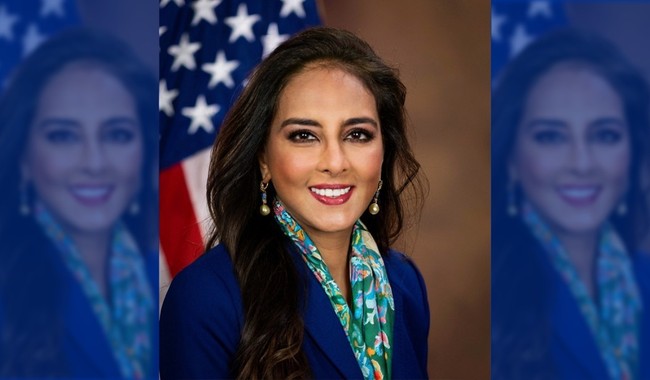
The state of Washington saw journalists probing suspected fraud at home-based daycares, a muted reaction from Attorney General Nick Brown, and a blunt rebuke from Assistant Attorney General for Civil Rights Harmeet Dhillon that escalated the dispute over press freedom and investigations into alleged misconduct.
Independent reporters visited multiple daycare providers around Washington after similar inquiries in other states raised red flags about program abuse. Those on the ground said they found situations worth investigating and wanted public officials to respond with thorough oversight. Instead of clear action, the state’s response focused on allegations that the journalists harassed providers.
The attorney general’s office framed the visits as harassment and said it had heard from community members concerned about unfair accusations. That stance surprised critics who argue that doorstep reporting is a fundamental tool for verifying claims and exposing systemic problems. The tension turned into a larger debate about whether officials were defending vulnerable residents or discouraging scrutiny.
My office has received outreach from members of the Somali community after reports of home-based daycare providers being harassed and accused of fraud with little to no fact-checking.
We are in touch with the state Department of Children, Youth, and Families regarding the claims being pushed online and the harassment reported by daycare providers.
Showing up on someone’s porch, threatening, or harassing them isn’t an investigation. Neither is filming minors who may be in the home. This is unsafe and potentially dangerous behavior. I encourage anyone experiencing threats or harassment to either contact local law enforcement or our office’s Hate Crimes & Bias Incident Hotline at 1-855-225-1010 or http://atg.wa.gov/report-hate.
If you think fraud is happening, there are appropriate measures to report and investigate. Go to DCYF’s website to learn more. And where fraud is substantiated and verified by law enforcement and regulatory agencies, people should be held accountable.
Journalists and many observers pushed back, insisting that on-site visits are essential to confirming whether fraud is taking place. If regulators have missed problems, secondhand assurances do little to set the record straight or protect taxpayers. The dispute highlights a deeper issue: when officials downplay or redirect scrutiny, the public loses a layer of accountability.
That dispute drew the attention of the Justice Department’s Civil Rights Division, and Assistant Attorney General Harmeet Dhillon weighed in sharply. Her comments emphasized the constitutional angle, warning state actors about chilling press activities and signaling federal-level concern over threats to journalistic freedom. Her response made clear the federal office would treat potential violations seriously.
Dhillon’s exact words were pointed and meant to raise alarms about overreach from any public official. The pushback did not stop the attorney general from defending his office’s posture, but it did change the tone of the conversation. For many, the exchange underlined the importance of independent reporting as a public check on government failures.
Brown replied forcefully that his office had not threatened journalists and urged critics to speak with their superiors instead of making accusations. That exchange turned into a public spat where rhetoric and legal warnings swapped roles. Observers on both sides treated the back-and-forth as a test of how far officials will go to protect communities versus how vigorously reporters can pursue alleged abuse.
Respondents on social media and in comment threads interpreted the events through competing lenses: some viewed journalists as watchdogs doing necessary work, others feared harm to vulnerable providers and families. The clash also exposed political dynamics, with critics suggesting the administration leaned toward defensive posturing rather than transparent investigation. The result was a charged public debate over method, motive, and accountability.
I’m a former journalist. Deep staters like you are always threatened by a free press. But thank you for confirming, after deflection, that journalists are free to ply their craft and expose the fraud you have failed to identify, much less punish, in your state! Happy new year!
The exchange landed publicly and sharply, with advocates for press freedom treating Dhillon’s rebuke as a warning shot to state officials. For now, the disagreement remains unresolved: reporters insist on access to verify claims, officials insist on protecting residents from harassment, and the public watches to see whether investigations follow. The next steps will matter for how similar disputes are handled elsewhere.


Why are the Somalin’s so scared of the Press asking questions?
That’s what we do in American we have discussions. So why are they hiding? Besides, we will get some answers of this abuse of tax payer’s money when Tim Walz get to met with the oversight committee on Jan 7th 2026!! And he will not be able to play the blame game on Trump! HA! Maybe he can say that China made him do it!!