
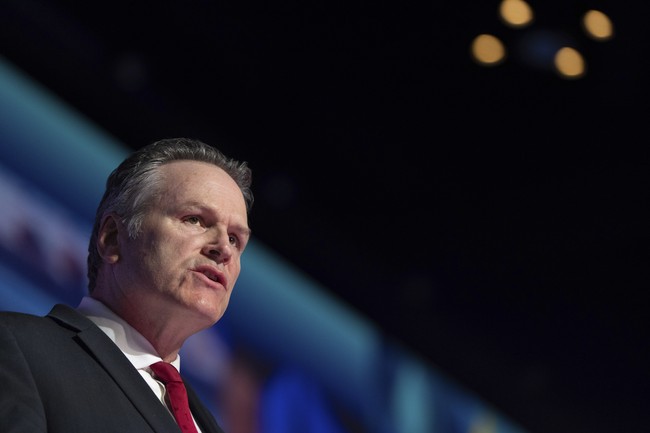
The Alaska LNG pipeline fight returned to center stage when Governor Mike Dunleavy rejected the state Senate’s amended tax plan and called lawmakers into another special session; the dispute is about how to structure a tax that attracts investment, secures Alaskan jobs, and preserves state revenue while getting a major infrastructure project moving.
The stakes are straightforward and high: a pipeline from the North Slope to the Kenai Peninsula would unlock energy resources, create jobs in remote communities, and expand U.S. LNG exports to Pacific partners. Lawmakers in Juneau have been arguing over the best mechanism to tax the project, with the debate focusing on a volumetric tax versus property-based or other approaches. The tension is practical: set the tax too high and the project stalls, set it too low and Alaska leaves money on the table.
Governor Dunleavy made a blunt intervention after the Senate passed its version in a 12-8 vote, saying plainly, “It doesn’t work.” That line captured both frustration and a negotiating stance meant to reset the process rather than accept an outcome he believes would hamper the pipeline’s viability. He immediately called for a new special session and promised to introduce a bill close to the prior proposals but minus what he views as harmful amendments.
The Alaska Senate approved in a 12-8 vote Friday a bill that would reduce taxes on the Alaska LNG project. It was the last day of a special session Gov. Mike Dunleavy called to consider the issue.
But Gov. Dunleavy, in a news conference minutes after the vote, said the Senate version “doesn’t work.”
Dunleavy called lawmakers into a new special session starting at 10 a.m. Saturday.
“We’ll introduce a bill very close to what the bills were that …the Senate put together, minus a lot of these amendments that went in there,” he said.
Some House members reacted quickly, canceling a floor session when it became clear they lacked the 21 votes needed to accept the Senate’s changes. That was a tactical move that left negotiations unresolved but underscored one clear point: the majority caucus is split on how to balance revenue with project incentives. Rep. Chuck Kopp warned that allowing perfect revenue grabs to prevent any revenue at all would be a mistake, a line many lawmakers echo when cautioning against overreach.
The House, appearing to lack the 21 votes necessary to concur with the Senate’s changes, canceled a floor session following Dunleavy’s press conference. Rep. Chuck Kopp, a member of the narrow 21-member bipartisan majority caucus, appeared alongside Dunleavy at the news conference.
“I think that the greatest mistake we can make is allowing the pursuit of maximum government revenue extraction become the reason we receive no revenue at all,” Kopp said.
At the heart of the technical debate is the choice of a volumetric tax, which taxes gas by the amount produced, rather than a property tax tied to project assets. Proponents of volumetric taxes argue they align incentives: produce more gas, pay more tax, and keep development moving. Critics worry about long-term revenue certainty and whether the state is giving away leverage to developers in exchange for construction assurances.
As someone focused on practical outcomes, the core question is how to get shovels in the ground without handing away the store. Alaska already takes revenue from oil and gas extraction, and it is reasonable for the state to secure its share of a massive, decades-long infrastructure project that runs entirely through Alaskan territory. At the same time, overburdensome taxation can scuttle private investment and delay benefits like jobs and regional economic activity.
The economic argument extends beyond state coffers. This pipeline can help keep America competitive in global energy markets by delivering LNG to Pacific allies and customers, strengthening strategic ties while supporting domestic energy security. The U.S. has become a net energy exporter recently, and maintaining that status requires new projects that can actually reach markets without being strangled by policy uncertainty.
There are also social and community impacts to consider: construction and operation mean real jobs and opportunities in remote parts of Alaska where alternatives are scarce. Local economies tied to construction, transport, and ongoing maintenance stand to gain, and those gains ripple into housing, services, and small business growth in regions that need them. Lawmakers should weigh those practical, on-the-ground benefits when crafting any tax structure.
What matters now is clear-minded compromise that keeps the project attractive to private partners while protecting Alaska’s long-term fiscal interests. Political theater and headline-seeking amendments should not derail a deal that can deliver energy, jobs, and strategic exports. The governor’s move to strip what he sees as damaging amendments is aimed at finding that balance and forcing a focused, outcome-oriented vote.
The process will be watched closely in Juneau and beyond because the outcome could set a template for how states negotiate major infrastructure taxes with developers. Responsible governance in this case means building the pipeline while ensuring Alaskans get their fair return and the project remains financially feasible. Lawmakers have a chance to move beyond brinkmanship and deliver a policy that actually builds something useful for the state and country.


A regular mom who cracked the code to recession-proof income without selling a thing!
I started (z52d) this online work a few months ago.
At first, I was confused about where to apply.
Then I noticed the website name on the profile photo.
I clicked it and opened it in a new tab.