
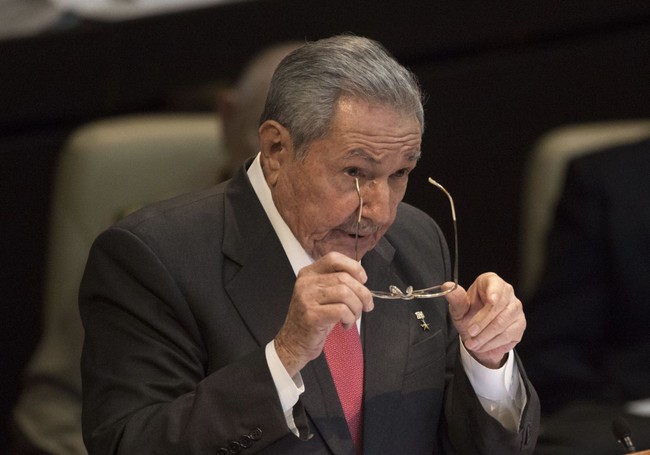
The Justice Department under the Trump administration is reportedly preparing to charge former Cuban leader Raúl Castro in connection with the 1996 shootdown of two aircraft flown by the exile group Brothers to the Rescue, raising tensions with Havana and underscoring a firm U.S. posture toward accountability for past state-sponsored violence.
Reports say the DOJ is moving toward an indictment tied to the 1996 incident when Castro was Cuba’s defense minister. Details remain limited and the department has declined to comment publicly as investigators and prosecutors follow legal steps that would include grand jury review. This development signals a willingness by the current administration to pursue high-profile accountability even when the suspects are elderly foreign leaders.
At issue is the fatal shooting down of two civilian planes that killed several people aboard, an episode that has haunted U.S.-Cuba relations for decades. For many on the U.S. side, the event was not just a Cold War-era outrage but an unpunished act that demanded justice. If the DOJ proceeds, it will reflect a broader strategy that ties legal pressure to deterrence and a clear message that atrocities against civilians will not go unanswered.
President Donald Trump’s Justice Department is expected to indict former Cuban President Raul Castro on Wednesday, a source familiar with the matter told Fox News Digital.
Fox News additionally learned that a scheduled press conference in Miami on Wednesday is in connection with efforts to indict the former communist leader Raul Castro, per law enforcement sources familiar with the situation.
When asked whether Castro would be indicted, a DOJ Office of Public Affairs Director Emily Covington told Fox News Digital the department would not “comment on rumors.”
News outlets are citing anonymous sources and reporting that prosecutors are looking at Castro’s role in the decision-making chain that led to the shootdown. Any criminal case would require grand jury approval before formal charges could be filed, so the process will likely be deliberate and procedural. That methodical approach is sensible; it ensures evidence is vetted and legal standards are met rather than relying on headlines or political theater.
One of the people told the AP that the potential indictment is connected to Castro’s alleged role in the 1996 shootdown of two planes operated by the Miami-based exile group Brothers to the Rescue. Castro was defense minister at the time.
All three people spoke on the condition of anonymity because they weren’t authorized to discuss an ongoing investigation. The Cuban government did not respond to a request for comment on the potential indictment, which was reported earlier by CBS.
Any criminal charge against Castro, which would need to be approved by a grand jury, would dramatically escalate tensions with Havana and ramp up expectations of U.S. military action in Cuba like the one carried out in January in Venezuela to bring President Nicolàs Maduro to New York on drug trafficking charges.
From a Republican perspective, pursuing such cases is consistent with a law-and-order foreign policy that holds foreign leaders accountable for human rights abuses. It is not softness to seek legal recourse; it is leverage and clarity. The possibility of an indictment—public or sealed—puts pressure on regimes that have long relied on impunity to shield their conduct.
Critics will argue about the practicality of indicting a 94-year-old former leader and whether the move is symbolic. Those critiques miss the point: indictments serve multiple purposes beyond arresting defendants. They document official wrongdoing on the record, send a deterrent signal to current officials, and restore a measure of moral clarity for victims and families who have waited decades for justice.
Practically speaking, any case would face legal and diplomatic hurdles, from jurisdictional questions to the mechanics of extradition. But the United States has made high-profile moves before to assert legal authority in international crimes, and the current team in Washington has shown a willingness to use legal tools as part of broader strategic pressure. That posture aligns with a belief that strength and accountability on the world stage protect American interests.
Observers should expect the DOJ to proceed cautiously and for the White House to frame the action as part of a consistent approach to confronting regimes that violate international norms. The move will likely fuel debate about risks and benefits, but it will also reassure those who argue that failing to act encourages further aggression. For now, Washington appears ready to test how far legal accountability can go in shaping behavior from abroad.
The story is still unfolding and will hinge on what a grand jury determines and whether prosecutors feel the evidence supports charges that can be proved beyond a reasonable doubt. Regardless of outcome, the reported intent to indict shows a U.S. government prepared to pair diplomacy and deterrence with legal measures when it believes justice and national interest demand it.

Add comment