
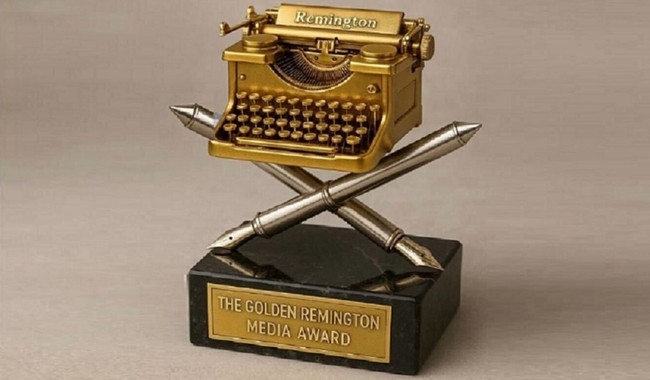
The piece calls out a year of sloppy, biased reporting and nominates the worst examples for satirical awards, targeting national scoops, explanatory pieces, photo choices, local profiles, breaking coverage, feature work, and cultural criticism that, in the author’s view, prioritized spin over facts.
The Dysfunctional Media Nominations: Dangerous Footwear, Deadly Coats, and Trendy Teen Truants
It is time again to point at the most egregious examples of journalism failing its public duty. These nominations highlight what happens when reporters chase narratives, lean on anonymous sourcing, or use framing that distorts the story. The Golden Remington Awards are a tongue-in-cheek way to shame the outlets that traded careful reporting for sensational claims. This year’s slate covers national investigations, explainers, photos, local pieces, breaking live coverage, feature profiles, and culture takes.
Distinguished National Reporting
A multi-reporter New York Times piece accused Secretary Pete Hegseth of wrongdoing tied to military-style operations against drug boats, claiming planes were disguised as civilian aircraft. The report assembled half a dozen bylines and relied heavily on anonymous sources and expert commentary. Yet the article struggled to define what the alleged disguise even looked like and could not identify the aircraft type involved. That kind of vagueness undermines both the seriousness of the charge and basic standards of verification.
Distinguished Explanatory Reporting
NPR’s attempt to undercut a Minnesota reporter who exposed alleged fraud turned into a jarring example of reflexive institutional defensiveness. Rather than dig into the substance of the claims, the story aimed to discredit the messenger by suggesting he made unfounded allegations. Ironically, the piece included the very evidence it claimed was missing the moment after accusing him of offering none.
- “I’m attacked every time I do my job,” he said, without citing specifics. “When I leave my house to go to work, I’m violently assaulted. I’ve been bear-sprayed and beaten down. I’ve been almost killed.”
Distinguished Photo Journalism
NBC News promoted a story about an ICE agent involved in a shooting by pairing the report with an unrelated photograph that suggested a different scenario. The image showed officers facing off with protesters who had their hands raised, which created a misleading visual narrative. Using an unrelated photo to stoke outrage is lazy and manipulative editorial practice. Visual context matters, and swapping it out for clicks is a disservice to readers.
Distinguished Local Reporting
A New York Times profile of Mayor Zohran Mamdani veered into tabloid territory by focusing on trivial domestic details at a time when the city faced a humanitarian crisis. The piece noted that the mayor deferred to his wife on buying a winter coat even as reports surfaced that up to twenty people may have died on the streets during a cold snap. Choosing to spotlight a fashion choice while a serious public safety story unfolded displayed poor judgment about priorities and tone.
“Hey, everyone, forget about those dead transients – here is the mayor buying a Versace peacoat!”
Distinguished Breaking News
Live coverage demands speed, but it does not excuse sloppy labeling. During a Minneapolis demonstration, a field interview with an activist wearing Black Lives Matter apparel was captioned on-screen as labeling him a “Trump Supporter.” That chyron was disconnected from the on-camera content and introduced confusion into the broadcast. Errors like that fuel distrust and confirm that some outlets treat live television as an afterthought rather than a craft.
Distinguished Feature Writing
CNN ran a profile glamorizing teenage activists who staged confrontations with ICE agents, framing their actions as brave civic engagement. The story presented the brothers’ pursuit of agents as a noble exercise despite weeks of overheated coverage that cast ICE as militarized villains. Normalizing minors confronting law enforcement in the name of activism without scrutiny risks encouraging reckless behavior and shows how narrative framing can excuse potentially dangerous conduct.
Distinguished Cultural Criticism
A New York Post piece leaned on alarmist advice just as a major winter storm approached, cobbling together cautionary quotes to generate clicks. The article quoted a podiatrist warning that snow boots could somehow be hazardous, turning practical weather coverage into manufactured fear. Turning common-sense winter prep into a sensational health scare is emblematic of outlets prioritizing traffic over public service.
Editor’s Note: The mainstream media continues to deflect, gaslight, spin, and lie about President Trump, his administration, and conservatives.
Help us continue to expose their left-wing bias by reading news you can trust. Join RedState VIP and use promo code FIGHT to get 60% off your membership.



Add comment