
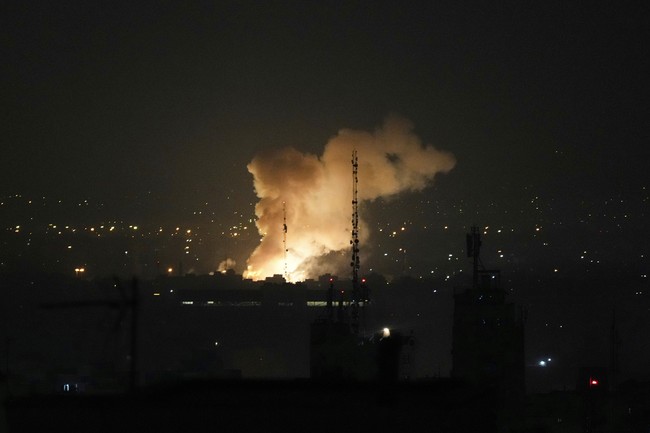
The United States has responded to fresh Iranian attacks on commercial shipping with a concentrated military action that CENTCOM says struck more than 80 targets, while Tehran vows a “crushing response.” This exchange escalates tensions in the Strait of Hormuz, throws the ceasefire into doubt, and adds economic pressure through renewed sanctions on Iranian oil sales.
CENTCOM announced strikes after Iran targeted three commercial tankers transiting the Strait of Hormuz, an attack the U.S. characterized as a clear violation of the memorandum of understanding between the two governments. Officials say the response was substantially larger than the earlier strikes on June 27, designed to impose tangible costs for threatening international shipping. The operation focused on degrading Iran’s capacity to continue such attacks, according to military statements.
The Treasury Department reimposed sanctions on Iranian oil sales at the same time, amplifying pressure on the regime’s finances. Economic pain was deliberately paired with military pressure to hit Iran in both its capabilities and its wallet. Those moves came as Iran’s state-led funeral events continued, creating a chaotic backdrop for diplomatic and military decision making.
The ceasefire that has been tenuous for months now looks more fragile than ever, with the U.S. framing its action as a measured but powerful response to attacks on innocent civilian-crewed ships. The strikes reportedly targeted air defense systems, command and control nodes, coastal radar, anti-ship missile capabilities, and dozens of Islamic Revolutionary Guard Corps small boats. The goal, CENTCOM says, is to reduce Iran’s ability to harass international commerce through the trade corridor.
U.S. Central Command forces have begun launching a series of powerful strikes against Iran to impose heavy costs for targeting and attacking commercial shipping crewed by innocent civilians in an international waterway. The U.S. strikes are in response to Iranian attacks on three commercial vessels that were transiting the Strait of Hormuz. Iran’s demonstrated aggression was unwarranted, dangerous, and a clear violation of the ceasefire.
https://x.com/CENTCOM/status/2074603238175998290?ref_src=twsrc%5Etfw
Administration officials emphasized the strikes were a direct response to Iranian aggression in the Strait, not an isolated incident detached from recent behavior. According to CENTCOM, the operation included strikes on military installations and equipment while seeking to avoid unnecessary escalation. That focused approach is meant to punish and deter repeat attacks without provoking an all-out regional war.
Iran’s official military leadership reacted with predictable, pointed rhetoric, declaring it would deliver a “crushing response” and calling U.S. strikes a “blatant act of aggression.” That phrasing leaves open the possibility of retaliation, but Tehran’s declarations often mix grand threats with limited follow-through. Still, the Islamic Republic remains a serious threat to regional stability and to commercial traffic in one of the world’s most important choke points.
“U.S. forces struck Iranian air defense systems, command and control networks, coastal radar sites, anti-ship missile capabilities, and more than 60 Islamic Revolutionary Guard Corps small boats in and near the strait to degrade Iran’s ability to continue attacking international commerce flowing through the international trade corridor,” CENTCOM said in a statement.
Beyond kinetic action, policymakers moved to squeeze Iran economically, hoping sanctions will limit Tehran’s ability to sustain proxy operations and naval harassment. Pressure through economic measures complements military steps by reducing funding available for the Revolutionary Guard’s regional activities. The combined pressure reflects a clear intent to raise the costs of continued aggression.
Public messaging around the strikes has been blunt and unapologetic, emphasizing the protection of international commerce and the safety of civilian mariners. U.S. officials framed the operation as necessary to uphold freedom of navigation and deter attacks on neutral shipping. That message is aimed at both domestic audiences and allies who rely on secure passage through the Strait.
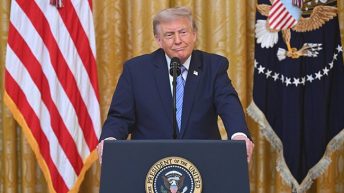
CENTCOM has release video of our strikes tonight. It’s over for now. We targeted over 80 locations and more than 60 IRGC small boats.
We hit them HARD tonight but all targets were military installations or equipment.
Bridge and Power Day is standing by, Iran. I think I’d quit shooting at oil tankers. We’re chomping at the bit over here.
The situation leaves several possible paths forward: continued tit-for-tat escalation, diplomatic maneuvering to reinstate constraints, or a tense stalemate that still threatens future incidents. Whatever comes next will test the resolve of American policy aimed at protecting navigation and punishing aggression. For now, the military and economic measures mark a clear, forceful response to threats against global commerce.
Decision makers will watch Tehran’s next moves closely, weighing the risks of further military action against the need to prevent future attacks. The balance between decisive deterrence and avoiding open conflict will shape how this crisis evolves in the coming days and weeks. For those tracking security in the region, the message is simple: attacks on international shipping will trigger substantial, coordinated pushback.

Add comment