
This article examines Treasury Secretary Scott Bessent’s push to shift scrutiny of Federal Reserve Chair Jerome Powell from a Justice Department criminal probe to oversight by the Senate Banking Committee, why Republicans view that shift as politically significant, and how it ties into nomination fights, institutional control, and President Trump’s public criticism about renovation cost overruns.
Scott Bessent Floats Senate Banking Committee Probe of Jerome Powell Instead of DOJ Investigation
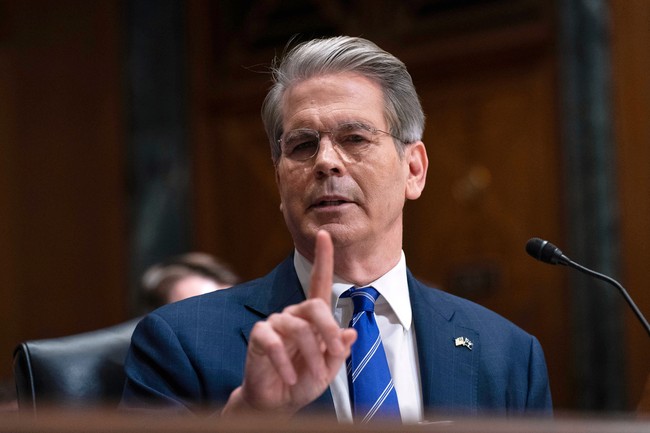
Treasury Secretary Scott Bessent raised a striking suggestion in private talks with Senate Republicans: let the Senate Banking Committee handle any review of Federal Reserve Chair Jerome Powell rather than leaving it to federal prosecutors. That idea reframes the debate from criminal culpability to congressional oversight, and for Republicans that is a crucial distinction about how power and accountability should work. Bessent framed the move as protecting institutional interests, not as a personal defense of Powell.
Republican senators immediately saw political implications tied to a separate standoff over Federal Reserve nominations. Sen. Thom Tillis has said he will withhold advancing Fed nominees while the DOJ investigation continues, which has turned the question of who investigates Powell into leverage. Some lawmakers described Bessent’s proposal as a possible off-ramp meant to unlock nominations while preserving a form of scrutiny. One lawmaker summed up the tactic: “They’re trying to dangle this in front of Thom to see if he’ll accept it.”
“In a closed-door meeting with Senate Republicans Wednesday, Treasury Secretary Scott Bessent proposed that the Senate Banking Committee could investigate Federal Reserve Chair Jerome Powell — instead of the Justice Department — people in the room told Semafor.”
The heart of the matter is jurisdiction and consequence. A Department of Justice inquiry carries criminal implications and risks escalating a clash between the executive branch and the central bank, while a Senate committee review stays in the realm of oversight and political accountability. Conservatives tend to prefer oversight by elected lawmakers when constitutional and institutional questions are at stake, because it keeps resolution within public debate and away from criminalization. That preference shapes how GOP members respond to the Bessent pitch.
The immediate trigger for this dispute was Powell’s testimony about a costly Federal Reserve renovation project that reportedly ran billions over budget. The Fed’s inspector general has already examined cost overruns, which complicates the need for a separate criminal inquiry. Republicans argue that a committee-led probe can get answers and hold the Fed accountable without turning management failures into a law enforcement confrontation. In their view, legislative tools like hearings, subpoenas, and budgetary pressure are effective and constitutionally appropriate.
“They’re trying to dangle this in front of Thom to see if he’ll accept it,” one lawmaker said. “Thom, he was poker-face.”
Bessent also reportedly told President Donald Trump that the DOJ investigation is creating an unnecessary distraction for the administration and for the institution. That conversation, described as expressing concern about institutional fallout rather than defending Powell personally, highlights a White House interest in steering the situation away from criminal proceedings. For Republicans, that is a tactical calculation: satisfy the demand for an investigation while avoiding the long-term damage that a criminal probe could do to central bank independence and political stability.
President Trump himself has been blunt and public in his criticism, pointing to the renovation overruns and asking whether Powell is “incompetent or crooked.” His remarks raise political pressure on lawmakers who must weigh public demands for accountability against the constitutional limits on legislative and executive oversight of a statutory, independent institution. Republicans see the Banking Committee as the right venue to resolve those tensions without surrendering control to prosecutors.
The question now is whether GOP leaders will accept Bessent’s proposed path and whether that will unlock stalled nominations. If the Senate Banking Committee takes the lead, the partisan fight over Powell becomes a Washington policy battle instead of a courtroom drama. That outcome would preserve oversight tools for elected officials while keeping DOJ resources focused on traditional criminal matters, which is the direction many Republican lawmakers appear to favor.



Add comment