
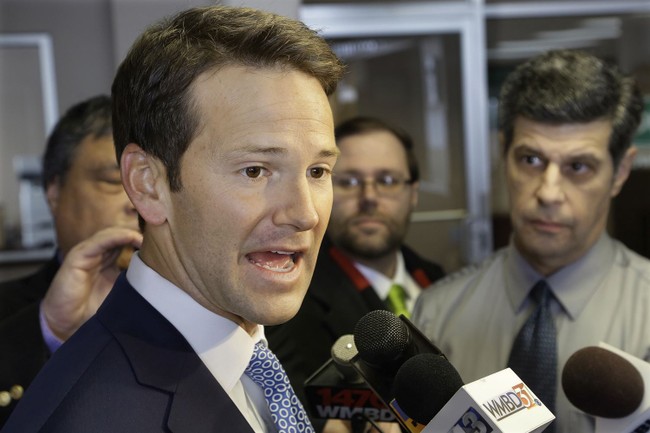
The story examines new reporting that places former Rep. Aaron Schock at the center of efforts to shift U.S. policy toward Venezuela while simultaneously pursuing private business ties to the country, including allegations about a promised gold mine and a $100,000 consulting payment from a Florida donor with Venezuelan oil interests.
New reporting alleges Aaron Schock pushed for a softer U.S. approach to Venezuela while pursuing business opportunities tied to the country. The piece claims a Florida donor with long-standing oil interests paid Schock a lump sum consulting fee after the 2024 election. These allegations revive debate about mixing private business and policy influence, and they raise questions Republicans should take seriously about transparency and legal exposure.
Schock served in Congress for the Peoria area until he resigned in March 2015 amid federal scrutiny over campaign and spending practices. Prosecutors later accused him of defrauding the government by charging personal expenses to campaign and taxpayer accounts, charges that were dropped in 2019 after repayments and admissions of wrongdoing. That history makes any new allegations more politically charged, and it invites scrutiny from conservatives who care about accountability and rule of law.
The report says the donor paid Schock $100,000 in a single payment after the 2024 election and that the donor has long been involved in Venezuelan oil. The donor’s attorney described the payment as for “strategic consulting” and denied the work involved lobbying to lift sanctions or to act on the donor’s behalf. Those denials matter, but so does the question of whether former officeholders followed the letter and spirit of the law when engaging with foreign-related matters.
According to the reporting, Schock visited Caracas in January 2025 and later discussed with an associate an offer from Venezuelan leadership that purportedly included access to a gold mine in exchange for easing U.S. pressure on the country. The alleged offer has an extraordinary cast to it: the idea of a gold concession tied to diplomatic posture. If true, it would be a striking example of how foreign actors try to blend business incentives with political outcomes.
“Dude, that is the dumbest f***ing idea. Cartels and gangsters control the gold mines. Lord knows, you’re not going to f***ing mine the gold.”
The blunt reaction above, spoken by a business associate, undercuts any romantic notion of quick payoff and highlights practical dangers of doing deals in zones controlled by criminal groups. The report also includes messages suggesting that Schock identified technical talent to process ore and that he worked to bring bondholders and energy companies into a circle seeking a softer U.S. stance. That outreach reportedly aimed to counter a tougher approach to Venezuela favored by some policymakers.
The reporting names several U.S. figures connected to the effort, though it does not accuse them of illegal conduct. One person identified as sympathetic to the approach did not respond to requests for comment, and other participants denied being paid or formally engaged for the activities described. Those denials should be treated as part of the record; conservative readers will want to see evidence and not just innuendo before drawing firm conclusions.
The piece notes Schock chose not to register under the Foreign Agents Registration Act, with an associate saying registration would have jeopardized his congressional member’s pin. Legal experts cited were uncertain whether FARA applied in this case, which raises a technical legal question conservatives should prefer resolved clearly rather than left ambiguous. Clarity here serves both national security and the reputations of former public servants.
Invoices submitted as part of the reported work reportedly covered travel, subscriptions, and a $7,000 contribution to a Republican House member running for Senate. Those claimed expenses totaled a reported $185,000 over five months beginning in March 2025. Campaign finance watchers and ethics officials will want to examine whether any of that money improperly influenced elected officials or violated disclosure rules.
Some named intermediaries say Schock refused to participate in a coordinated political attack when pressed, while the Venezuelan official alleged to have offered incentives declined to comment through a spokesperson. The donor’s attorney called the notion that he placed Schock at the center of such an effort “simply untenable” and denied payments or invoices for alleged expenses. Those categorical denials underline the contested nature of the reporting and the need for careful, evidence-based follow-up.
Forward Global, a communications firm mentioned in the reporting, maintained that its work did not require registration because it was retained by a U.S. client for a domestic communications campaign and “did not act on behalf of or at the direction or control of any foreign persons.” Whether that assessment holds up under scrutiny will be important for conservatives who support robust advocacy but insist on compliance with legal and ethical rules.
By spring 2026 the situation in Venezuela had changed significantly, with new leadership in Caracas and eased financial measures, and Schock reportedly returned to Venezuela later that year to a region with deep gold-mining history. Whether he ultimately secured any stake in a mine remains unknown. The allegations raise a broader concern: former officials entering international business can create conflicts that deserve public transparency and, when necessary, legal review to protect American interests.


Add comment