
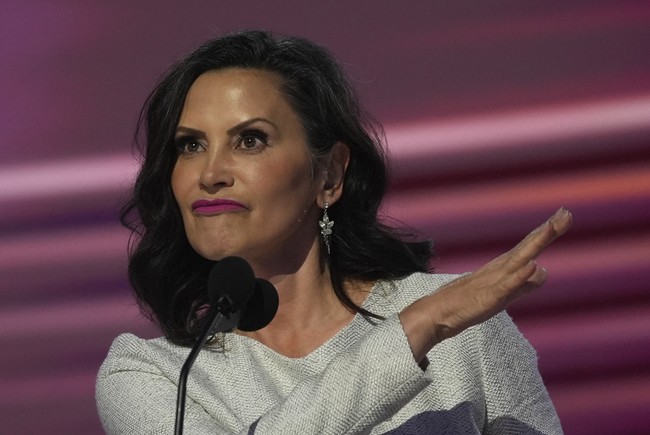
The Munich Security Conference panel became a cringe moment for two Democrats who have been floated for higher office, and the public reaction highlights how shaky foreign policy instincts can damage political credibility on the global stage.
Gretchen Whitmer’s Munich Moment About AOC Manages to Double Down on the Embarrassment
The trip to Munich was supposed to be a serious forum for global leaders, but for some attendees it turned into a showcase of gaffes and dodged substance. Alexandria Ocasio-Cortez stumbled through answers that sounded hollow in a room where clarity matters, and the aftermath has not been kind. This matters because voters want confidence and competence from anyone claiming national leadership ambitions.
It isn’t just about one awkward exchange; it’s about the optics when elected officials appear unprepared on big questions. AOC’s performance gave critics a field day, comparing her to earlier high-profile verbal misfires that stuck in public memory. When the goal is to demonstrate command of foreign policy issues, flubbing basic points undermines those ambitions fast.
Michigan Governor Gretchen Whitmer managed to compound the problem by publicly deferring to Ocasio-Cortez on foreign policy knowledge. For a governor often mentioned in discussions about future national roles, that admission looked like a failure to show up ready on the subject. Voters and pundits alike noticed the mismatch between the platform and the substance coming from those on stage.
When a politician acknowledges someone else knows more about an issue in front of international peers, it reads as an abdication. Why attend a panel on global security and then concede expertise to a freshman member of Congress with no foreign policy portfolio? The whole exchange raised questions about preparation and seriousness.
There is a pattern here that critics pointed out, linking this moment to previously viral stumbles from other Democrats who have similarly struggled in public settings. It is not just a one-off; it feeds a narrative that some leaders lack the depth required for tough, complex issues. That narrative plays into broader concerns about judgment and readiness.
“What we are seeking is a return to a rules-based order that eliminates the hypocrisies around when too often in the west we look the other way for inconvenient populations, to act out these paradoxes.”
The quoted sentence above became emblematic of the problem: lots of words, little clarity, and a delivery that begged follow-up rather than inspiring confidence. Precise language matters in diplomacy and policy discussions, where vague abstractions can mask a lack of concrete proposals. Observers expected specific answers about Ukraine, security guarantees, and practical steps; instead they got rhetorical flourishes that landed poorly.
Beyond the moment itself, there’s the history that colors how these missteps are perceived. Past incidents, like awkward photo moments or attempts to avoid press scrutiny, amplify the impression that certain figures do not handle scrutiny or pressure well. Those patterns tend to stick, and opponents will exploit them to paint a picture of unfitness for higher responsibility.
For Republicans and conservatives watching, the Munich panel likely served as a reminder that foreign policy credibility can sway national conversations. If potential Democratic nominees are repeatedly seen as weak on international matters, that creates an opening for challengers who present steadier, clearer messaging. Electorates notice the difference between assertive competence and fumbling rhetoric.
There were plenty of other attendees at Munich who offered substantive debate and clear policy stances, which only made the misfires stand out more. When the bar is set by diplomats and security experts, politicians who trade in slogans do themselves no favors. The takeaway for ambitious officeholders is blunt: prepare rigorously or expect your missteps to define you.
Public officials will keep making appearances on the world stage, and each moment becomes part of a larger dossier on their capability. For those who aspire to national leadership, every slip is amplified; voters deserve leaders who can speak plainly, answer directly, and show they understand the stakes. That’s the simple standard the Munich episode fell short of meeting.


hold it, isn’t whitmer that was caught lying about a fake andstaged assualt and attack???
Just another corrupt democrat endorsing another dumbass corrupt democrat. Dumb and dumber.