
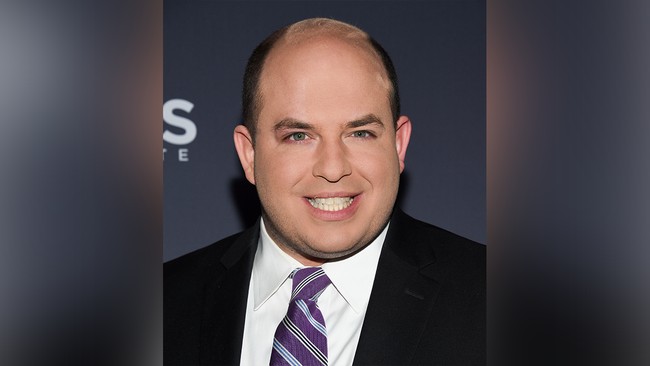
This article breaks down a rough week for CNN, arguing the network repeatedly pushed false stories, reacted defensively instead of fixing processes, and then blamed critics for calling out their errors while the White House pushed back hard.
Last week exposed glaring failures at a major cable network, where multiple reports had to be corrected after going out as definitive claims. Viewers noticed the pattern: dramatic headlines based on unnamed sources followed by retractions or clarifications. That kind of reporting damages trust and makes audiences skeptical of any follow-up coverage.
The network’s attempts to reframe the fallout as partisan attacks ignore the basic point that accuracy matters more than narrative. When mistakes pile up, the proper response is transparency and accountability, not attacking critics who demand journalistic standards. From a conservative perspective, insisting on reliable reporting is not partisan, it is common sense and a defense of the public’s right to truth.
This morning a media correspondent tried to recast the criticism as an unfair smear tied to patriotism, suggesting scrutiny of wartime reporting equates to being “unpatriotic.” That framing misses the specific complaint: these were not mere critical questions, they were demonstrable inaccuracies that required public correction. Pointing fingers at critics while circulation and credibility slip away looks defensive, not leadership.
Of course, attempts to deter and discredit wartime reporting by questioning journalists’ patriotism are as old as war coverage itself. But most Americans see through that type of ugly rhetoric pic.
Calling the pushback unpatriotic sidesteps the more important issue: accurate reporting during crises saves lives and informs policy debates. The problem here is the network published unverified claims and presented them as fact, then had to walk them back. That pattern undermines their stated mission of independent coverage and invites justified criticism from both leaders and the public.
The White House Rapid Response account didn’t hold back in response, calling out what it labeled as “Fake News CNN” and pointing to reliance on anonymous sources and apparent echoes of foreign propaganda. That blunt response reflects a broader frustration with media outlets that seem to prioritize sensational scoops over verification. When major outlets lean on nameless sources and fail to confirm essential details, they trade credibility for momentary clicks.
No, it’s because news outlets like Fake News CNN are presenting outright lies as fact based solely on “anonymous sources” (also known as Democrats) and uncritically regurgitating literal propaganda from the Iranian regime.
Readers and viewers are not gullible; they notice when a story unravels and when corrections trail the original, more dramatic headlines. Ratings and trust metrics reflect that skepticism, and networks that ignore the trend do so at their peril. Conservative readers see a media environment that often aligns with certain political narratives, and that perceived alignment feeds the distrust.
If CNN really wants to repair its standing, it needs more than defensive statements and blame-shifting. It must reform editorial practices, hold staff accountable for sloppy sourcing, and rebuild relationships with audiences by demonstrating reliability. That’s straightforward: stop presenting unverified claims as settled facts and stop treating corrections as mere footnotes.
At the same time, critics should be precise in their challenges; calling for accountability does not justify personal attacks or threats. Demand corrections, insist on transparency about sources when appropriate, and push for rigorous standards that once defined mainstream journalism. Fair but firm scrutiny strengthens the press; enabling sloppy work destroys its legitimacy.
Ultimately this episode is a reminder that media outlets live and die by their credibility. When a network repeatedly stumbles, viewers look elsewhere for news they can trust, and that is an outcome of editorial choices, not political machinations. Conservatives who call out bias are arguing for a healthier information environment where facts are verified and narratives do not trump the truth.


Add comment