
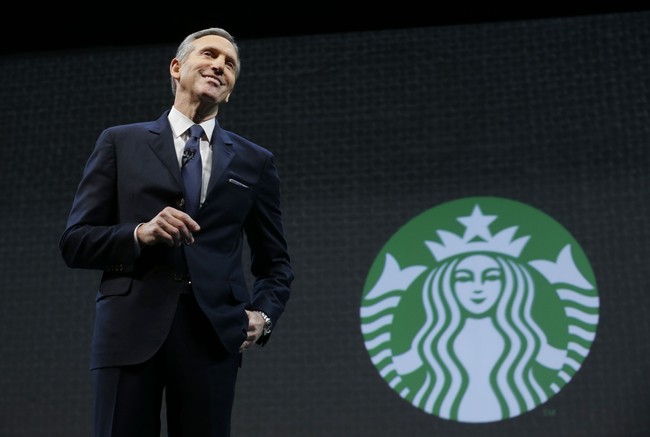
This piece examines Starbucks founder Howard Schultz’s decision to leave Seattle as Washington enacts a new 9.9 percent millionaire tax, looks at Schultz’s public farewell to the city, and contrasts Washington’s tax approach with states attracting businesses through lower taxes and friendlier regulations.
Seattle has been central to Howard Schultz’s story for decades, and his announcement that he and his family are leaving the city landed like a splash of cold water on local politics. Schultz framed the move as a personal and family choice tied to retirement, but the timing—coming the same week a new millionaire tax passed in Washington—made the exit politically charged. For many residents and observers, the shift raises basic questions about whether high earners and major companies will stick around when tax burdens climb.
The public note Schultz shared reads like a walk through memory lane, anchored in the city’s old market and the first small store that grew into Starbucks. He talked about long ties to employees and entrepreneurs across the Pacific Northwest who helped build the brand, and he called this a new chapter for his family. That personal framing matters because it keeps the focus on family and lifestyle choices rather than a simple tax-driven flight.
“For those of you who know us well, we have entered the ‘retirement’ phase of our lives.”
Schultz went on to explain that he and his wife have moved to Miami to enjoy the sunshine and be closer to family on the East Coast, and he described the city and company history with affectionate detail. His message acknowledges deep roots in Seattle: the “foundation, walls and floorboards of our first store” remain part of the company’s story. That sentiment underlines a tension—personal attachment on one side, shifting economic incentives on the other.
“We have moved to Miami for our next adventure together. We are enjoying the sunshine of South Florida and its allure to our kids on the East Coast as they raise families of their own.”
At the same time Washington lawmakers approved a new 9.9 percent tax on income above $1 million, creating one of the nation’s steepest state-level taxes on high earners. When layered on top of a federal top rate, the total tax burden on income over $1 million climbs into a range economists warn can influence relocation decisions. That reality is the heart of the argument critics of such taxes make: once the math changes, people and capital become more mobile.
Economists and policymakers have debated this dynamic for years. When marginal tax rates push total burdens toward the upper 40s and beyond, mobility becomes a practical option for wealthy individuals and the companies tied to them. History shows examples where executives, founders, and even entire corporate teams have chosen to relocate to states with friendlier tax structures and fewer regulatory hurdles.
“The history of the company is bound up in the very foundation, walls and floorboards of our first store in the city’s historic market.”
Washington has already felt that outflow before, with notable figures and leadership moving to states that advertise lower taxes and looser regulatory environments. High-profile departures attract attention because they often remove not just headline names but significant taxable income and decision-making clout from the local economy. That can change job creation patterns, philanthropic giving, and long-term investment in the region.
Schultz’s business decisions align with the broader corporate trend of expanding operations in states that emphasize pro-business climates. Starbucks announced a regional corporate office as part of a North American expansion strategy, picking locations that position the company to grow across different regions. Those moves matter because they signal where companies expect to find talent, customers, and predictable policy environments going forward.
“With these growth plans, we see Nashville, Tennessee, as an ideal location to open an office and establish a more strategic presence in the Southeast region of the U.S.” Starbucks Chief Operating Officer Mike Grams said.
The choices by companies and founders reflect a clear contrast: some states are pushing higher rates and broader taxes, while others promote lower taxes and fewer business restrictions. That contrast isn’t abstract; it shows up in where executives choose to live, where offices get placed, and how corporations allocate investments. Over time, these patterns shape the economic landscape and influence future policy debates.
Schultz’s statement emphasizes family and retirement, and those are real reasons people relocate. But the bigger picture is about incentives: when policymakers raise tax rates high enough, capital and talent frequently look for places where their efforts face fewer obstacles. That reality is central to how communities will compete for residents, jobs, and investment in the years ahead.


Add comment