
Cuba’s electrical grid collapsed island-wide, exposing a frail system, dwindling foreign support, and a U.S. policy under President Trump that is pushing for real change in Havana’s leadership and regional influence.
The blackout revealed more than faulty generators; it showed the strategic consequences of recent U.S. pressure and shifting regional politics. Cuba has endured repeat outages in recent years, but this complete grid failure comes as its traditional allies are cut off and supply chains for fuel are interrupted. That creates political and economic pressure that the island’s leaders have struggled to absorb.
Regionally, Cuba has grown increasingly isolated as neighboring governments move away from tolerance of its interference. In the last months, several Latin American governments expelled Cuban diplomats for meddling in domestic politics and subversive activities. Those moves reflect a broader alignment with a U.S. stance that is no longer content with empty talk and old containment policies.
Venezuela’s recent downfall as a reliable supplier of fuel hit Cuba especially hard, removing roughly 60 percent of the oil that powered its plants. The loss of that patron, compounded by other supply suspensions, has left Cuba scrambling for alternatives. A catastrophic refinery fire and chronically neglected infrastructure mean even available fuel is hard to turn into consistent electricity.
Cuban officials admit oil shipments have not arrived for months, and an aging power grid only magnifies the problem. The island’s electricity failures are not simply a logistics issue; they are symptoms of deeper decay in maintenance, spare parts, and institutional capacity. That decay has humanitarian consequences while it accelerates political instability.
At the same time, Havana has begun reaching out in ways unimaginable a year ago, even inviting foreign law enforcement cooperation and offering to open investment to Cubans abroad and American companies. Oscar Pérez-Oliva Fraga, Cuba’s deputy prime minister, said that a “blockade” by the United States is hampering these efforts as “the island grapples with an energy crisis,” rare “violent protests” and public pressure from the Trump administration. Such overtures look less like sincere reform and more like desperation from a regime under siege.
President Trump has pushed a tougher approach that other administrations avoided, removing safe havens for hostile actors and applying pressure across multiple theaters. The capture of Venezuela’s leader eliminated a key regional patron, and U.S. pressure has led to suspensions of oil shipments that once kept Cuba afloat. Those moves underline a strategy of dismantling support networks rather than tolerating incremental subversion.
The Cuban government’s attempt to buy time with small concessions appears insufficient against a coordinated political and economic squeeze. Offers to let diaspora investors and foreign companies in could be tactical moves to stave off collapse rather than the start of genuine structural reform. That pattern mirrors other regimes that propose cosmetic changes while banking on international fatigue and institutional inertia.
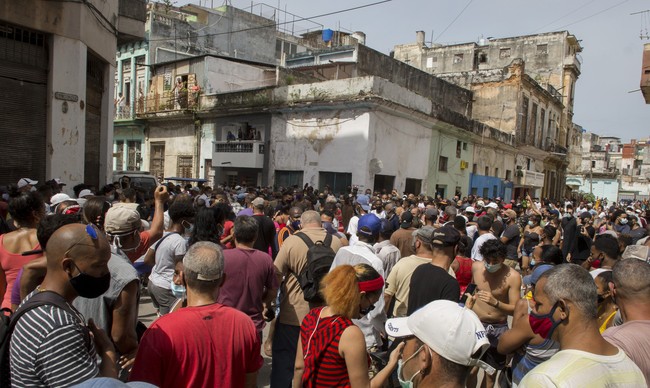
Protests and riots have escalated in urban centers, with public attacks on party buildings and growing unrest in the streets. As the economy contracts and blackouts worsen, the leadership faces hard choices: undertake real reforms, surrender power, or ride out instability at great cost to ordinary Cubans. The Trump administration’s posture makes clear that muddled toleration is no longer the default.
Legal and prosecutorial tools are in play as well. The administration has used indictments and coercive measures in other cases to remove hostile leaders from power, and those options could be part of a broader push aimed at high-level accountability. That approach signals to Havana that mere survival through obfuscation is not guaranteed.
China and other outside actors stand to lose strategic footholds as Washington applies diplomatic and economic pressure. If Beijing and its partners are pushed out of strategic facilities in the hemisphere, their ability to project influence will shrink. For U.S. policymakers, removing hostile footholds in the Western Hemisphere is part of a larger effort to protect American interests and regional stability.
For ordinary Cubans the collapse of the grid and persistent shortages translate into real suffering: hospitals strained, businesses stalled, and daily life disrupted. Those hardships make political upheaval more likely and deepen the incentive for leaders to consider dramatic options. The island’s future now hinges on whether its rulers choose meaningful change or cling to a failing status quo.
“Cuba is open to having a fluid commercial relationship with U.S. companies” and “also with Cubans residing in the United States and their descendants,” Fraga said in a sit-down in Havana, ahead of announcing the news to his country Monday night.
Reporter: “When you say Cuba is next… Will that look more like Iran or Venezuela?”
President Trump: “I can’t tell you that. I can tell you they’re talking to us. It’s a failed nation… It’s a beautiful island… I do believe I’ll… have the honor of TAKING Cuba… In some form yeah. Taking Cuba. Whether I free it, take it — I think can do anything I want with it if you want to know the truth.” “They’re a very weakened nation.”
Cuba wants to make a deal, and President Trump has said the administration will either negotiate or pursue other measures, with Iran scheduled before Cuba in stated priorities. That declaration underscores a willingness to sequence actions based on strategic aims rather than ritual diplomacy. For Republican policymakers, the aim is straightforward: dismantle hostile networks and restore stability to the neighborhood.
Cuba also wants to make a deal, and I think we will pretty soon either make a deal or do whatever we have to do, We’re talking to Cuba, but we’re going to do Iran before Cuba.

Add comment